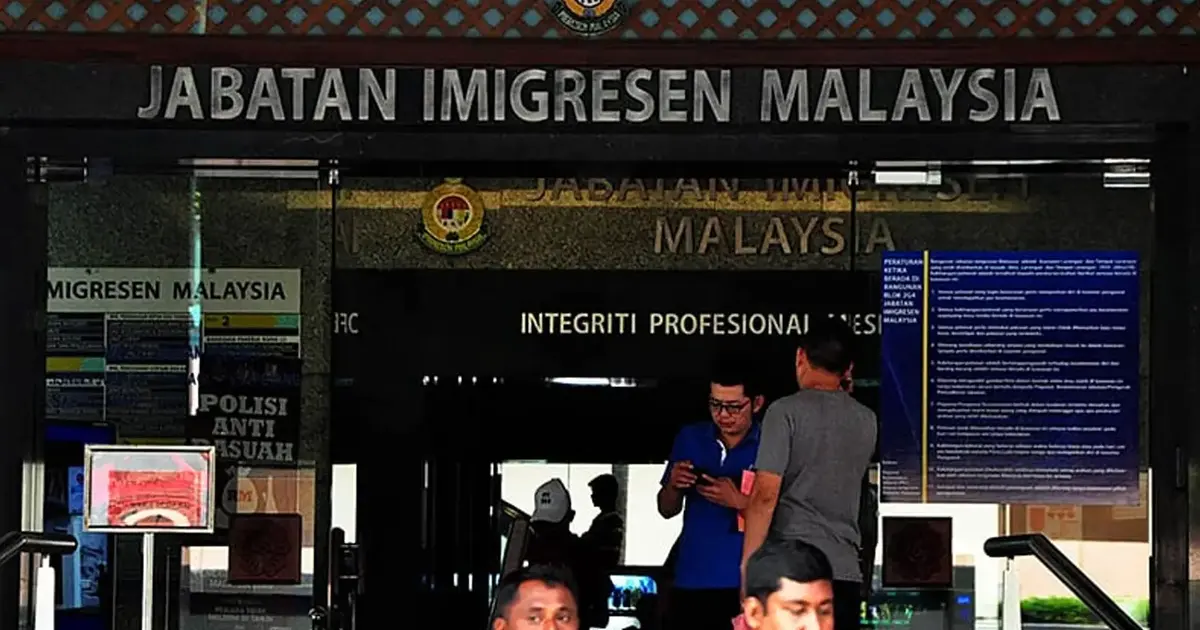
Malaysia's immigration chief has asserted that investigators knew the identities of the officers implicated in the MyIMMs system breach since the initial stages of the inquiry, casting new light on the scale and nature of the security incident that has shaken public confidence in a critical government database.
The statement underscores the seriousness with which the immigration department is treating what appears to be an inside job—a coordinated effort by staff members to exploit their privileged access to the MyIMMs platform. The revelation that the culprits were swiftly identified raises questions about how long the compromise may have persisted undetected and what safeguards failed to prevent such a breach.
Eleventh officers employed within the immigration service have been taken into custody on suspicion of working together to hack the MyIMMs infrastructure. These individuals stand accused of orchestrating the unauthorised submission and approval of PLKS (Permit Lanjutan Kediaman Sementara—Extended Temporary Residence Permits) applications, effectively circumventing the legitimate vetting processes that are supposed to protect Malaysia's immigration integrity.
The MyIMMs system represents the backbone of Malaysia's modern immigration management framework. The platform processes visa applications, travel documentation, and residency permits for millions of individuals annually. A compromise of this magnitude at the hands of internal actors poses considerable risks not merely to data security but to the nation's broader immigration enforcement capacity. Unauthorised PLKS approvals could permit foreign nationals to remain in the country without proper screening or justification, undermining border security protocols.
The involvement of serving immigration officers adds a particularly troubling dimension to the incident. These are individuals who, by virtue of their employment, possessed system credentials and comprehensive knowledge of procedural loopholes. Their alleged willingness to exploit this privileged position for unauthorized purposes suggests either corruption, coercion, or a fundamental breakdown in institutional oversight. Preliminary investigations may yet reveal whether financial incentives, external pressure, or other motivating factors drove the conspiracy.
For Malaysian citizens, the breach raises legitimate concerns about the vulnerability of personal information held within government databases. Immigration records contain sensitive biographical data, photographs, and travel histories that could be weaponized if accessed by criminals or hostile actors. Even if the current incident appears narrowly focused on PLKS approvals, the fact that officers could penetrate and manipulate the system demonstrates architectural or procedural weaknesses that warrant urgent remediation.
The immigration department's swift identification of suspects suggests that either audit trails remained intact or whistleblowers came forward promptly. However, the delay between system compromise and public disclosure raises the uncomfortable question of how many unauthorised PLKS approvals may have already been processed. Investigators must now establish the timeline of the breach, determine how many affected applications slipped through, and initiate deportation proceedings against beneficiaries of fraudulent permits if necessary.
This incident arrives amid broader concerns across Southeast Asia regarding the integrity of digital government infrastructure. Several neighbouring countries have experienced similar insider-threat breaches in critical immigration and border management systems. The MyIMMs case thus carries regional implications, demonstrating that even moderately advanced government IT systems remain vulnerable to determined insiders with system access. Malaysia's response will likely influence how neighbouring nations reassess their own internal security protocols.
The consequences for the arrested officers will set an important precedent for government accountability. Public servants who abuse their access to facilitate immigration fraud face potential criminal charges under the Computer Crimes Act and other relevant legislation, in addition to disciplinary proceedings and dismissal from the civil service. A robust prosecution will signal that such breaches carry severe consequences, potentially deterring future insider threats.
Beyond individual accountability, the immigration department must now undertake a comprehensive review of system access controls, audit mechanisms, and segregation of duties within MyIMMs operations. Role-based access restrictions should ensure that no single officer or small group can unilaterally approve permits without supervisor verification. Enhanced logging and periodic penetration testing by independent security firms could identify additional vulnerabilities before they are exploited.
The department should also consider whether any foreign actors or criminal networks were behind the conspiracy or merely benefited from the officers' actions. If the latter, authorities must track down all recipients of fraudulent PLKS permits and initiate appropriate immigration proceedings. The case underscores the importance of post-incident forensics and tracing the flow of illicit approvals through the system.
Longer term, the incident highlights the need for immigration agencies across the region to invest in more resilient digital infrastructure, including multi-factor authentication, real-time anomaly detection, and immutable audit trails. As Malaysia continues its digital transformation agenda, safeguarding critical systems against insider threats must remain a top priority, particularly for agencies handling sensitive identity and border control data.

