The Immigration Department (JIM) is bringing its customer service operations directly to the public through a pop-up renewal facility at IOI City Mall in Putrajaya, operating across three consecutive days from July 16 to 18. This initiative represents part of the department's broader engagement strategy, coinciding with celebrations marking 104 years since the establishment of Malaysia's immigration services. The temporary office will maintain extended business hours from 10 am until 10 pm each day, significantly expanding access beyond standard operating times and accommodating working professionals and families with varied schedules.
Passport renewal constitutes the primary draw for this Customer Meeting Day (HBPJIM) 2026 programme, with residents able to complete Malaysian International Passport (PMA) applications and renewals on-site without requiring a trip to the main immigration office. This decentralized approach addresses longstanding complaints about congestion at central facilities and reduces travel time for Putrajaya and surrounding Klang Valley residents. The initiative reflects growing recognition among government agencies that meeting citizens at accessible commercial venues increases service uptake and public satisfaction with government processes.
Beyond passport services, JIM will operate a comprehensive immigration advisory counter handling multiple document and status inquiries. Visitors can request travel status verification and checks against the suspect list—critical services for frequent travelers and individuals concerned about their immigration standing. The facility will deploy experienced advisors to field questions regarding visa applications, residence permits, employment passes, and other documentation categories that many Malaysians find confusing to navigate independently.
Foreign worker employers and expatriate residents will find dedicated support through specialized counters addressing their particular requirements. This inclusion recognizes that Malaysia hosts significant populations of migrant workers and expatriate professionals requiring periodic immigration services and status updates. Such targeted assistance at a high-traffic commercial venue makes compliance and administrative renewal considerably more convenient for international communities.
JIM has also scheduled presentations on MyNIISE, the National Integrated Immigration System application that the department has been rolling out to digitalize its services and reduce physical paperwork. Public understanding of this digital platform remains limited among many users, and educational briefings at a customer-facing event provide valuable opportunity to drive adoption and explain functionality to skeptical or unfamiliar residents. The system represents Malaysia's commitment to modernizing immigration administration and aligning with regional standards for digital government services.
The exhibition component of the programme will showcase the newly designed Malaysian International Passport, featuring updated security features and design elements. Immigration enforcement operations will receive dedicated display space explaining the department's role in national security and border integrity. Career-focused exhibits will highlight employment opportunities within JIM, addressing potential recruitment pipelines and building public awareness of immigration as a career sector. These exhibits collectively position immigration services not as bureaucratic necessity but as a dynamic, evolving department contributing meaningfully to national interest.
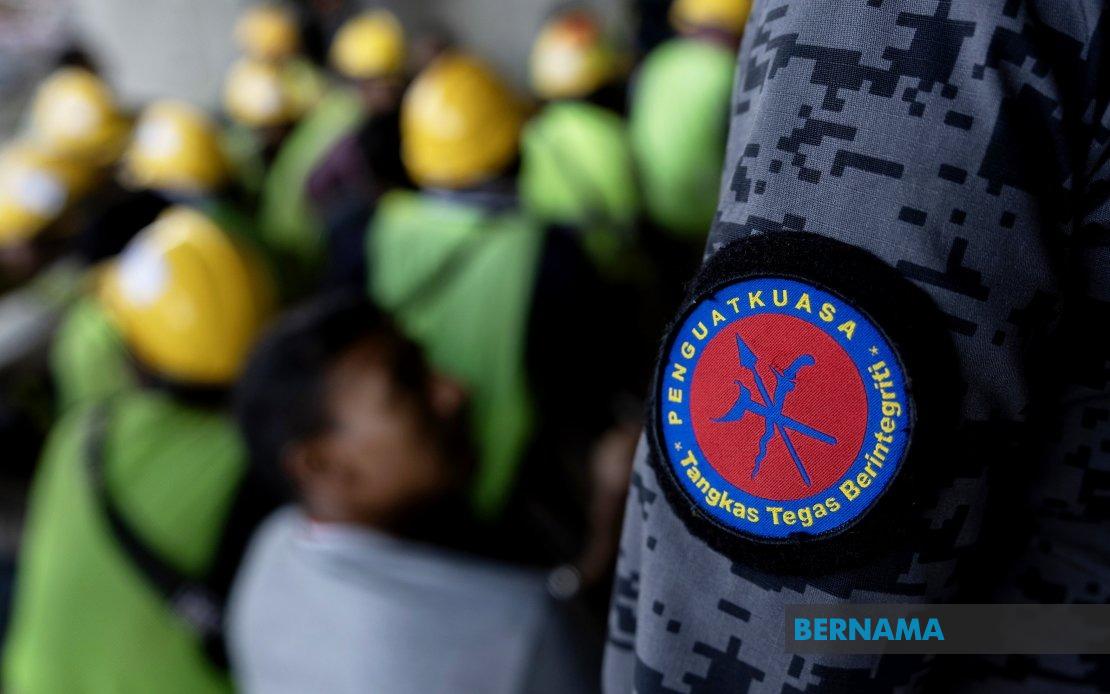
Interactive elements will distinguish this event from standard administrative facilities. The department's mascots, Wira and Srikandi, will engage with visiting children, making the immigration experience less intimidating for young Malaysians experiencing official services for the first time. Members of JIM's Special Tactical Team will be present, allowing members of the public to interact with and understand the enforcement and security dimensions of the department's mandate. Such engagement humanizes institutional authority and builds public confidence in immigration administration.
Registered visitors stand to receive complimentary souvenirs while supplies remain available, providing modest incentive for attendance and creating memento-based association with the government service. The venue selection at IOI City Mall—a major shopping destination in Putrajaya—virtually guarantees substantial foot traffic and accessibility via public and private transportation. Shopping mall locations have proven effective for government service delivery across Southeast Asia, combining retail environments with bureaucratic functions in ways that normalize official interactions and attract broader demographic participation.
For Malaysian residents accustomed to extending passport validity every few years, this temporary facility eliminates a significant administrative burden. The timing during mid-July positions the service during Malaysia's school holidays when family members might coordinate travel document renewals. Working professionals can extend their office hours to access the facility during evening slots, removing excuses based on work scheduling conflicts. Such accessibility improvements matter substantially in driving voluntary compliance with renewal requirements and reducing numbers of Malaysians traveling on invalid or near-expiry documentation.
The programme's connection to Immigration Day celebrations underscores government attempts to transform potentially adversarial immigration encounters into positive institutional engagement. Rather than experiencing JIM primarily through enforcement or denied applications, the public encounters the department as service provider and partner facilitating legitimate mobility and residence. For Malaysia's ambitions as a regional hub for business, education, and tourism, projecting immigration as facilitator rather than obstacle carries strategic importance in competing for international talent and investment.
This initiative also signals broader transformation within Malaysia's civil service toward customer-centric, convenience-oriented service delivery. The willingness to deploy staff and resources to commercial venues, maintain extended hours, and provide educational programming reflects understanding that government legitimacy depends increasingly on responsiveness to citizen preferences regarding when, where, and how services are accessed. As other Southeast Asian nations modernize their immigration administration, Malaysia's investments in public engagement and convenient service provision position the country competitively within the region.
Residents interested in utilizing the IOI City Mall facility should arrive with necessary documentation including current passports, identity cards, and supporting materials required for renewal applications. Those uncertain about documentation requirements or application procedures can consult JIM's website prior to attending or ask questions directly at the exhibition's advisory counters. The three-day window provides reasonable opportunity for Putrajaya and surrounding area residents to access the service without requiring extended time off work or school.

