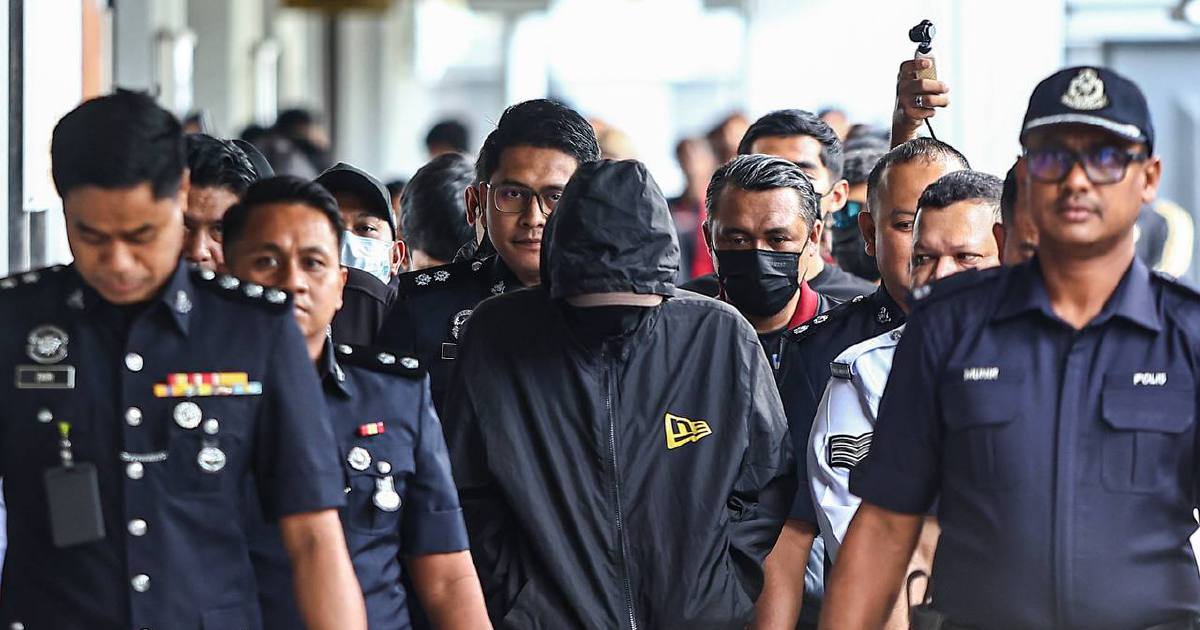
The driver of an Immigration Department lorry made an initial court appearance in Kuala Lumpur on charges stemming from a collision at the Maju Junction intersection that claimed the lives of three members of a single family. The driver was formally called to answer five charges before the magistrates' court, with three of these relating specifically to causing death through reckless or dangerous operation of a vehicle. This development comes in the immediate aftermath of yesterday's accident, which has sent shockwaves through the community and renewed concerns about safety standards on the capital's increasingly congested roads.
The incident occurred at a major intersection that experiences heavy traffic throughout the day, raising questions about how the collision happened and what factors may have contributed to its severity. Maju Junction, situated along Jalan Sultan Ismail, is a critical arterial route through central Kuala Lumpur that connects multiple districts and serves as a major thoroughfare for both commuter and commercial traffic. The location's prominence in the city's transport network suggests that any accident there has the potential to cause significant disruption and, as this case demonstrates, tragic consequences for those unfortunate enough to be involved.
The loss of three family members in a single incident represents a particularly devastating outcome that highlights the unpredictable and catastrophic nature of serious road accidents. When multiple members of one household are killed in such circumstances, the emotional and social impact extends far beyond the immediate statistics. Extended family members, close friends, and even wider community networks experience profound grief, while investigations into such incidents typically receive heightened public attention and scrutiny.
The decision to proceed with charges against the driver reflects the seriousness with which Malaysian authorities treat cases involving fatalities on public roads. The charge of causing death by reckless or dangerous driving carries significant penalties under Malaysian law, recognising that when vehicles are operated in a manner that endangers lives, accountability must follow. The inclusion of three separate counts indicates that the prosecution believes evidence supports holding the driver individually responsible for each death resulting from their conduct.
The fact that the vehicle involved belonged to the Immigration Department introduces an additional layer of complexity to this case. Government departments are expected to maintain rigorous safety standards and training protocols for their drivers and fleet operations. Any incident involving a government vehicle, particularly one resulting in fatalities, invites examination of whether departmental procedures were followed and whether additional safeguards might have prevented the tragedy. Questions about driver fatigue, vehicle maintenance, and adherence to traffic regulations will likely form central components of the investigation and subsequent legal proceedings.
Road safety in Kuala Lumpur has emerged as an increasingly pressing concern as vehicle numbers continue to grow and urban congestion intensifies. The capital regularly experiences significant traffic congestion during peak periods, creating conditions where driver errors can have magnified consequences. Intersections particularly suffer from elevated accident risks due to the complexity of managing multiple traffic streams simultaneously. The Maju Junction incident serves as a sobering reminder that despite improved infrastructure and enforcement efforts, preventable tragedies continue to occur.
The court process now underway will involve detailed examination of the circumstances surrounding the collision. Forensic evidence, witness testimony, and potentially traffic camera footage will be crucial in establishing exactly how the accident occurred and whether the driver's actions met the legal threshold for recklessness or dangerous driving. The distinction between tragic accident and criminal negligence hinges on such technical and factual determinations, making the investigation and trial proceedings vital not only for the bereaved family but for the broader community seeking to understand how such incidents can be prevented in future.
For Malaysian road users and transport authorities, this incident underscores the critical importance of ongoing driver training, vehicle maintenance standards, and strict enforcement of traffic regulations. The consequences of vehicle operation failures extend beyond mechanical concerns to encompass human factors including attention, judgment, and adherence to speed and safety protocols. Government agencies operating large vehicles have particular responsibility to ensure their personnel receive adequate training and operate within demanding safety parameters.
The Immigration Department has not yet issued formal statements regarding the incident or any internal processes they may undertake. Typically, government departments respond to such serious incidents affecting their employees and operations through internal reviews and potential disciplinary proceedings running parallel to any criminal prosecution. The interaction between external criminal accountability and internal institutional responses adds another dimension to how this matter will ultimately be resolved and whether systemic improvements emerge from this tragedy.

