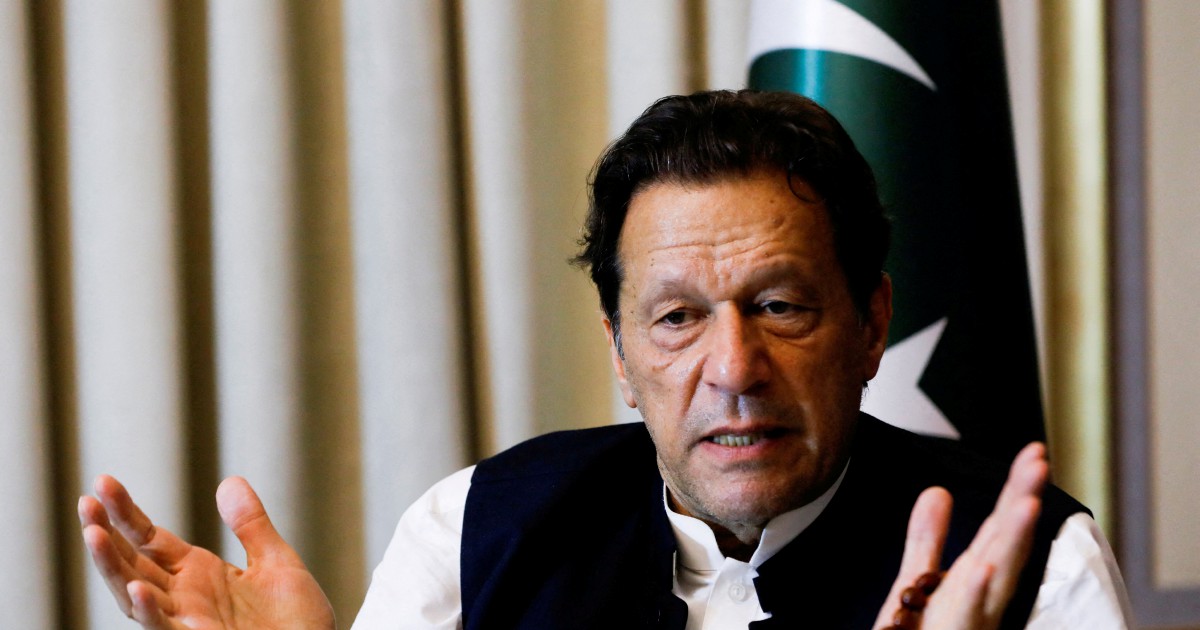
Former Pakistani Prime Minister Imran Khan was taken back into detention on Friday after undergoing a medical examination at a health facility in Islamabad, acting on court instructions, according to statements from senior officials.
The former cricket star-turned-politician's return to custody marks another phase in his ongoing legal troubles since his arrest earlier this year. Khan, who led the Pakistan Tehreek-e-Insaf (PTI) party before his ouster from office in 2022, has faced multiple legal challenges across various jurisdictions. The routine medical evaluation that preceded his remand suggests concerns about his health during incarceration, a matter that has drawn attention from international observers and local civil society groups monitoring judicial proceedings in Pakistan.
The examination was conducted in compliance with judicial directives, indicating that the court system has maintained oversight of Khan's custody conditions. Pakistani courts have occasionally ordered health assessments for high-profile detainees to ensure compliance with detention standards and international human rights norms. Such procedures are typically undertaken when there are questions about a detainee's wellbeing or when legal representatives raise health-related concerns during proceedings.
Khan's detention represents a significant political development in Pakistan, where the former prime minister has remained a polarizing figure. His arrest sparked considerable debate about judicial independence and the rule of law in the country. Supporters argue that his prosecution reflects selective application of laws, while authorities contend that all citizens, regardless of political standing, must face justice through proper legal channels.
The circumstances surrounding Khan's various cases have attracted international attention, with diplomatic observers from multiple countries monitoring his treatment. The former premier's legal predicament has become intertwined with broader questions about Pakistan's political stability and the balance of power between civilian and military institutions. International media and human rights organizations have periodically commented on his detention conditions and the nature of charges against him.
Khan's political movement, the PTI, has maintained that his prosecution is politically motivated and designed to undermine his party's influence ahead of elections. The party has mobilized supporters to protest against what they characterize as judicial overreach. Conversely, the government and its allies argue that Khan must answer for alleged financial irregularities and other charges brought through standard legal procedures.
The continued detention of Pakistan's former prime minister reflects deeper divisions within the country's political landscape. Khan's rise from sports celebrity to political leader represented an outsider challenge to Pakistan's traditional power structures dominated by the Pakistan People's Party and Pakistan Muslim League. His fall from power and subsequent arrest have demonstrated the volatility of Pakistani politics, where electoral outcomes can swiftly reverse fortunes.
For Malaysia and other Southeast Asian nations, Khan's situation underscores broader regional concerns about judicial independence and political stability in South Asia. Many Malaysian observers have drawn parallels with domestic political transitions, particularly regarding how institutions handle former leaders facing legal allegations. The Pakistani case illustrates challenges that emerging democracies encounter when attempting to balance accountability with political fairness.
The medical checkup ordered by courts suggests that detention protocols include safeguards intended to protect prisoner welfare, at least nominally. However, questions persist about whether such measures adequately address broader concerns about due process and the impartiality of legal proceedings against prominent political figures. The timing and nature of charges against Khan have fueled speculation about political motivations underlying the prosecution.
Khan's supporters point to his popularity among younger Pakistanis and the substantial crowds that have gathered to protest his detention as evidence of his continuing political relevance. Meanwhile, his opponents argue that legal accountability cannot be circumvented through political mobilization. This fundamental disagreement reflects the polarized state of Pakistani politics, where traditional institutional mechanisms struggle to command universal trust.
The international dimension of Khan's case has added complexity to Pakistan's domestic political situation. Western governments have expressed concern about due process, while other nations have maintained diplomatic distance from the dispute. Regional countries, including Malaysia, have generally avoided taking explicit stances on Khan's prosecution, preferring to observe developments without public commentary that might suggest political interference.
As Khan's legal cases progress through Pakistani courts, his detention remains emblematic of the country's broader struggle to establish stable, predictable governance. The routine medical examination and his return to custody illustrate the mechanical functioning of judicial processes, even as fundamental questions about their fairness and political independence remain contested. For Malaysia and the wider region, Pakistan's political trajectory continues to warrant careful observation as an example of institutional resilience and democratic fragility.

