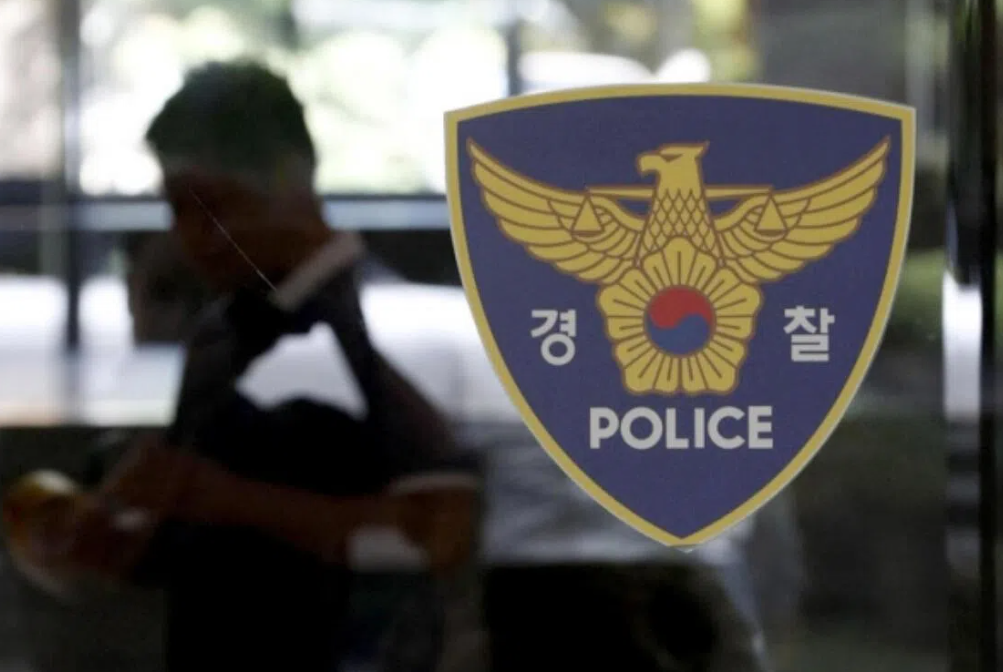
A young police officer in Incheon has become the subject of a criminal investigation following a tragic incident that claimed the life of a woman she was ostensibly sent to protect. The officer, stationed at the Michuhol Police Station, is facing accusations of causing death through a traffic accident after running over a collapsed citizen in the pre-dawn hours of July 3. The circumstances of the case highlight the dangers and complexities that first responders face when answering distress calls in poorly lit conditions, while simultaneously raising broader questions about training protocols and situational awareness in emergency response situations.
Authorities received a report that a woman in her 60s had collapsed and was lying on the road surface, prompting dispatch of a patrol vehicle to the location. Upon arrival, the officer proceeded to drive through the area but failed to notice the victim lying in her path. At approximately 12:45 am, the patrol car struck and ran over the woman, resulting in fatal injuries. The Michuhol Police Station has confirmed that the officer, who is in her 20s, is now the subject of an official criminal investigation into the incident.
According to statements provided to investigators, the officer claimed she did not observe the victim on the roadway. Police officials cited environmental factors as potentially contributing to the tragedy, noting that the location where the accident occurred was characterized by dark conditions typical of early morning hours. The specific geography of the area, which featured a point near a left turn in the road, may have further obstructed visibility and made detection of a person lying on the pavement considerably more difficult.
The investigation into the incident extends beyond simple determination of fault. Authorities have indicated that surveillance footage from the area will be thoroughly analyzed to reconstruct the sequence of events and establish whether the officer exercised reasonable care under the circumstances. The police department is conducting a comprehensive investigation that will ultimately inform whether prosecutors should pursue an arrest warrant against the officer. Such determinations typically hinge on questions of negligence, duty of care, and whether the officer's actions fell below the standard expected of trained law enforcement personnel responding to emergency situations.
The tragic outcome has significant implications for police procedures in South Korea. Emergency response calls invariably involve risks that officers must navigate while maintaining focus on assisting vulnerable citizens. The incident underscores the potential consequences when environmental conditions—in this case, darkness and road layout—conspire with human limitations to create fatal scenarios. For Malaysian and Southeast Asian readers familiar with their own emergency services frameworks, the case serves as a sobering reminder of how circumstances beyond an individual responder's immediate control can rapidly escalate from a routine call into a catastrophic outcome.
Notably, the police sergeant who occupied the passenger seat during the incident is not expected to face disciplinary action, according to departmental officials. This distinction reflects investigative focus on the driver's responsibilities and the assessment that the passenger was not in a position to prevent the tragedy. However, this detail may invite future scrutiny regarding whether improved protocols—such as additional safety measures when responding to reports of people in roadways—might prevent similar incidents.
The case represents a particular category of occupational hazard faced by first responders worldwide. Officers must balance the urgency of reaching someone in need with the necessity of operating their vehicles safely, a tension that becomes especially acute during low-visibility conditions. In South Korea's context, where rapid urbanization has created complex traffic environments, such incidents prompt examination of whether existing training adequately prepares officers for all foreseeable emergency scenarios.
For the deceased woman's family, the circumstances carry an especially cruel dimension: she required assistance, assistance was summoned, yet the very response intended to help her proved fatal. This paradox likely will influence public perception of the incident and may prompt broader discussion about emergency protocols in South Korea and comparable jurisdictions across Asia.
The investigation's progression will be closely watched as a test case for how law enforcement agencies balance accountability with understanding the inherent risks of emergency work. Whether prosecutors ultimately seek an arrest warrant, and on what grounds, will likely set precedent for how similar cases are handled going forward. The outcome may also influence departmental policies regarding dispatch procedures, vehicle operation during emergency calls in low-light conditions, and training standards for officers responding to vulnerable-person reports.
Meanwhile, the incident serves as a stark illustration of how split-second decisions and environmental factors can transform a well-intentioned response into tragedy. For emergency services managers throughout Southeast Asia, the case underscores the importance of continuously evaluating and refining procedures to protect both the public and the officers tasked with serving them.

