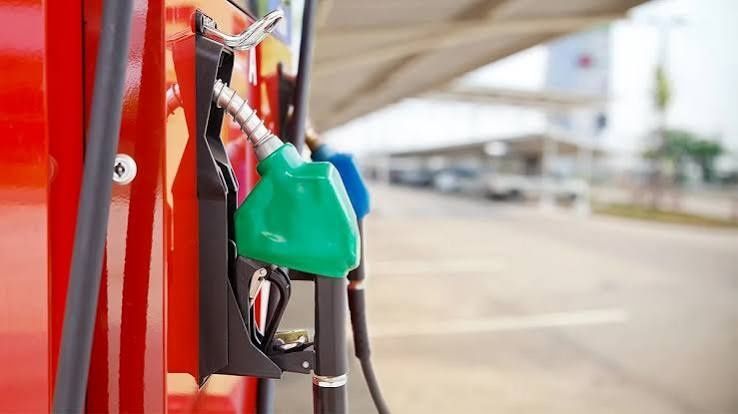
India's government found itself in damage control mode on Friday as anger over its mandatory E20 ethanol-blended petrol policy threatened to become a significant political liability for Prime Minister Narendra Modi's administration. The controversy has caught fire among motorists in the world's third-largest car market, with consumers complaining of reduced fuel efficiency and vehicle damage, while civil society groups gear up for street protests against what they view as a poorly executed policy rollout.
The flashpoint that intensified the crisis came earlier in the week when Attorney General R. Venkataramani referred to E20 as an "experiment" during court proceedings, suggesting that concrete results from the scheme would only materialise next year. This single remark unleashed a torrent of criticism on social media, with video recordings of the court hearing circulating widely and fuelling public suspicion that the government had prematurely implemented a policy without adequate safeguards or evidence of its viability. The statement appeared to validate long-held concerns among motorists that they had become unwitting participants in a nationwide trial.
Government officials moved swiftly to contain the damage, with the administration flatly denying that Venkataramani had made any such statement, even as irrefutable video evidence contradicted their position. Venkataramani himself later told Reuters that he had used the word "experiment" specifically in reference to ethanol supply volumes, not the broader policy framework itself, a distinction that did little to mollify public sentiment. The government's press office then dismissed the mounting criticism as "wild claims" and "rage bait," a rhetorical approach that appeared tone-deaf to legitimate consumer concerns about fuel performance and vehicle longevity.
Petroleum Minister Hardeep Singh Puri attempted to reframe the narrative by drawing parallels to motorsport, noting that racing vehicles also run on ethanol and achieve improved acceleration, though he conceded that fuel consumption might decline slightly in standard vehicles. This analogy resonated poorly with ordinary motorists who lack the specialist knowledge and maintenance resources available to professional racing teams and who worry more about their monthly fuel bills than about acceleration metrics. The ministerial intervention highlighted a growing disconnect between government messaging and public apprehension.
The E20 mandate, which arrived into force during the previous calendar year, represents a significant departure in India's fuel policy landscape. The government's stated rationale encompasses several strategic objectives: reducing India's reliance on crude oil imports, thereby conserving precious foreign exchange reserves; lowering vehicular carbon emissions in alignment with environmental commitments; and bolstering agricultural incomes by creating enhanced demand for ethanol feedstocks derived from farm produce. For policymakers, the benefits appeared compelling and multi-faceted.
Yet from the consumer perspective, the policy has proved deeply contentious. Motorists discovered that petrol pumps no longer offered them the choice between conventional and ethanol-blended fuel, transforming what might have been an optional sustainability initiative into a compulsory one. Tehseen Poonawalla, a Delhi-based activist and Congress party associate, announced plans for a protest rally scheduled for Sunday in the capital, reporting that thousands of individuals had expressed interest in participating. This grass-roots mobilisation suggested that discontent had moved beyond online grumbling into organised political action.
Complaints flooding social media platforms painted a picture of widespread mechanical and performance problems. Motorists documented allegations of accelerated fuel consumption, component deterioration, and unexpected repair bills. One particularly viral video, garnering more than half a million views, showed an agitated driver identified as Manish Kashyap standing in a workshop alongside his damaged vehicle, lamenting that following just two months on E20 fuel, his automobile had developed serious mechanical faults despite his substantial financial investment and faithful tax contributions. Such testimonials, whether individually verified or not, shaped public perception of E20 as inherently problematic.
Opposition politicians seized upon the controversy as a means of criticising the government's governance approach. Priyank Kharge, a state-level minister from the Congress party, asserted on social media platform X that the E20 rollout had proceeded without adequate public consultation and that the government could not demand that citizens furnish proof of damage when the administration's own evaluative data remained incomplete. This framing shifted the debate from technical fuel characteristics toward questions of procedural legitimacy and governmental accountability.
The emerging crisis illustrates a broader challenge facing India's policymakers: balancing ambitious sustainability and economic objectives against the practical interests of ordinary consumers whose cooperation proves essential for policy success. While the government's environmental and fiscal rationales for E20 possess genuine merit, the manner of implementation—coupled with initial public communications that understated potential drawbacks—appears to have generated unnecessary opposition. For Malaysia and other regional economies considering similar fuel transition policies, India's experience offers cautionary lessons about the importance of stakeholder consultation, gradual rollout strategies, and transparent communication regarding any teething problems that may emerge during policy introduction.

