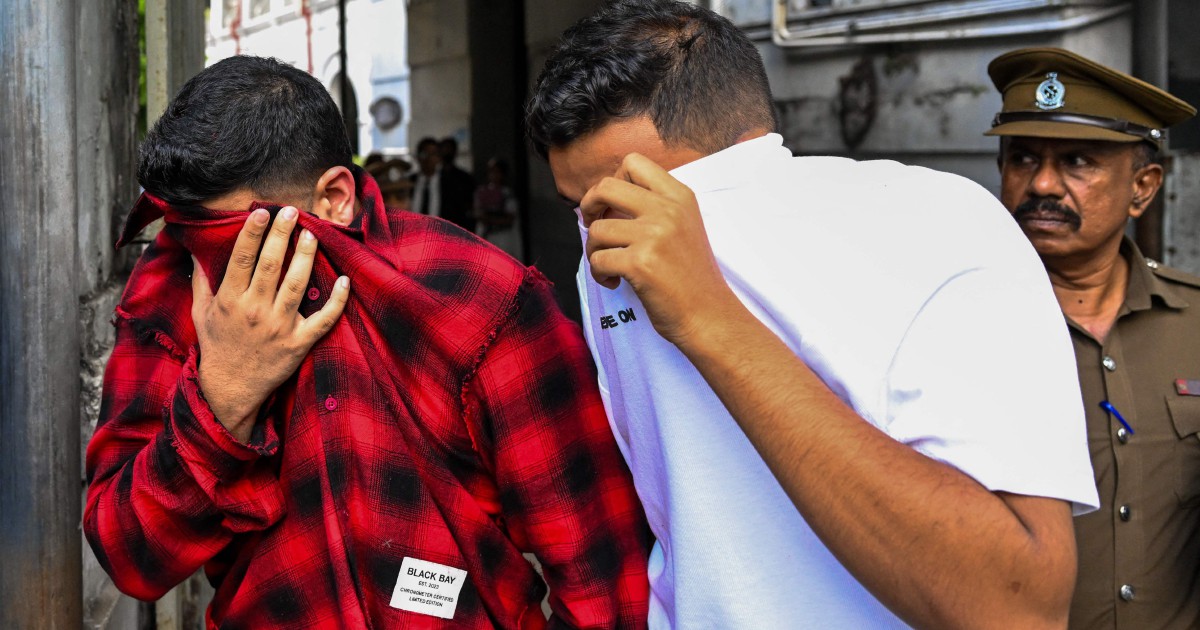
A Colombo court has ordered the continued detention of an Indian businessman who co-owns a franchised team in Sri Lanka's premier Twenty20 competition, after he faced charges alleging he sought to corrupt cricketers through financial incentives. The decision, delivered on Friday, mandates that the suspect remain in prison custody until at least the final week of the month as investigations proceed into the alleged scheme to manipulate match outcomes.
The charges centre on claims that the co-owner made unlawful approaches to five players competing in the Lanka Premier League, offering them money in exchange for deliberately underperforming or conspiring to alter the results of scheduled matches. Such allegations strike at the heart of cricket's integrity framework, which international governing bodies and domestic authorities view with utmost seriousness. The involvement of a team owner in match-fixing represents a particularly grave breach, as it suggests systemic corruption operating from the highest management level of a franchise.
Lanka Premier League cricket occupies a distinctive position within the South Asian sports landscape. The tournament, established to complement international matches and domestic competitions, attracts significant investment from regional and international stakeholders keen to develop the sport commercially. The franchise model ensures that wealthy entrepreneurs exercise substantial influence over team operations, player acquisitions, and strategic decisions. When such authority figures face accusations of criminal conduct, the ramifications extend beyond individual cases to undermine confidence in the entire competitive ecosystem.
Cricket authorities in Sri Lanka have intensified scrutiny of corruption threats in recent years, mirroring global efforts to combat match-fixing. The International Cricket Council and affiliated bodies have established comprehensive anti-corruption protocols, intelligence networks, and investigative mechanisms designed to identify suspicious patterns in betting markets, player conduct, and administrative anomalies. Yet the determination required to prosecute cases of this magnitude—particularly when high-profile business interests are involved—tests institutional resolve and demonstrates ongoing vulnerability within the system.
The remand decision reflects judicial assessment that detention is warranted pending trial proceedings. Courts typically authorise continued custody when they identify substantial risk of suspect flight, possible evidence tampering, or ongoing threat to potential witnesses. The decision to hold the co-owner through month-end suggests the magistracy determined these factors sufficiently present to justify constraints on personal liberty during the pre-trial phase.
For Malaysian and regional cricket enthusiasts, this development carries significance beyond Sri Lankan borders. The integrated nature of South Asian cricket—with shared tournaments, player exchanges, franchise investments, and television rights—means that institutional weakness in any jurisdiction potentially creates cascading risks. Malaysian entities involved in cricket financing, sponsorship, or media distribution operate within an interconnected ecosystem where ethical lapses in neighbouring jurisdictions can erode confidence among investors and audiences across multiple territories.
The alleged participation of five players suggests a coordinated corruption network rather than isolated individual misconduct. Investigators will scrutinise communications, financial transactions, and behavioural patterns to establish whether players independently entertained proposals or faced systematic recruitment into wrongdoing. The scope of the conspiracy—if established—will substantially influence sentencing considerations and organisational consequences for the LPL franchise itself.
Cricket authorities face delicate navigation in balancing investigative thoroughness with tournament continuity. Premature franchise suspension risks destabilising the league and disappointing stakeholders, yet insufficient action invites accusations of complacency toward corruption. Tournament organisers typically permit teams to continue operations under temporary stewardship while maintaining heightened monitoring protocols, allowing competitive fixtures to proceed whilst demonstrating commitment to integrity enforcement.
The broader institutional context matters considerably. Sri Lankan sports authorities, cricket boards, and law enforcement agencies have collaborated on corruption detection frameworks developed through international partnerships. These mechanisms—including intelligence sharing with betting regulators, player education programmes, and financial monitoring systems—represent cumulative investment in safeguarding competitive integrity. Each credible corruption allegation and subsequent prosecution affirms the functioning of these safeguards whilst simultaneously revealing the determined ingenuity required to exploit vulnerabilities.
For investors contemplating involvement in South Asian cricket franchises, this case underscores legal and reputational risks accompanying ownership participation. Due diligence procedures increasingly encompass compliance infrastructure, governance frameworks, and personal background verification. Prudent franchise management requires transparent financial controls, regular audit protocols, and explicit anti-corruption policies that establish consequences for managerial transgressions.
The detention order signals judicial willingness to treat match-fixing allegations with appropriate severity. Beyond the immediate criminal case, this approach sends deterrent messaging to other potential perpetrators whilst reassuring cricket stakeholders that institutional mechanisms remain engaged in defending competitive integrity. The proceeding will likely extend through several months as investigations conclude and evidence emerges through court processes.
As the remand period unfolds, attention will focus on investigative findings concerning the specific inducements offered, player responses, and documented communications establishing criminal intent. These evidentiary details will determine prosecution prospects and ultimate sentencing should conviction occur. The case simultaneously demonstrates both vulnerability within cricket's integrity architecture and capacity of judicial systems to respond decisively when allegations emerge.

