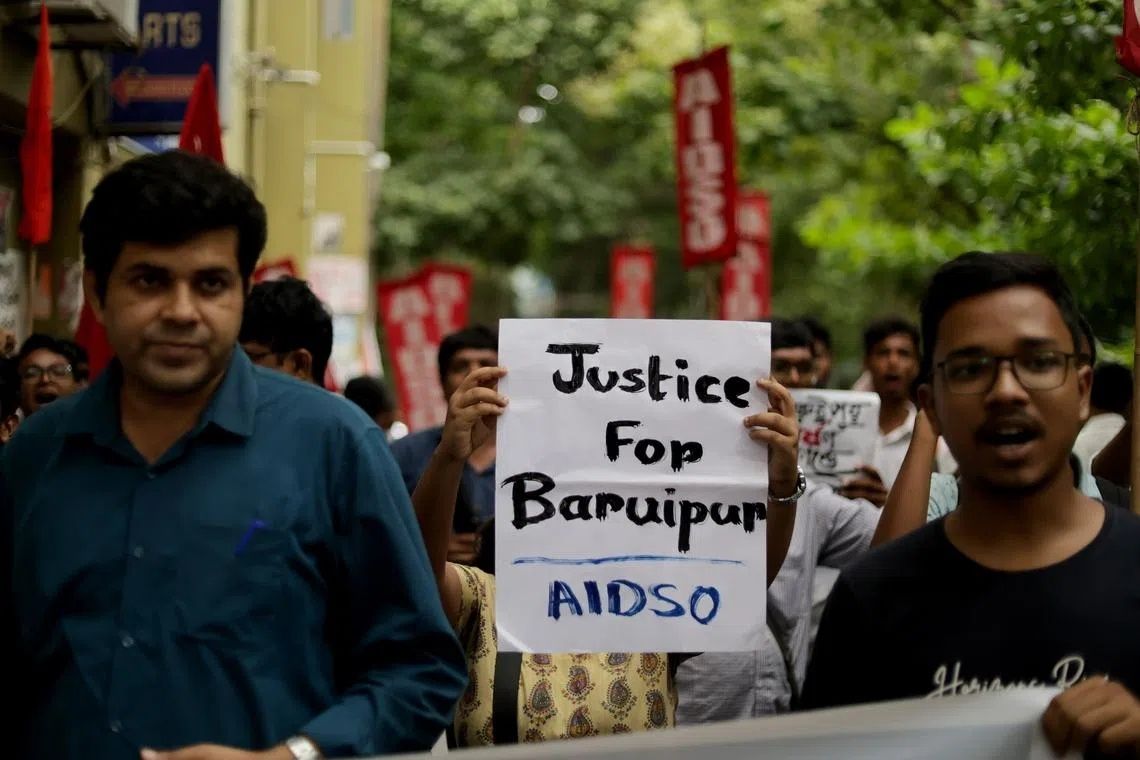
Authorities in West Bengal have arrested 35 individuals for violence and property damage amid widespread public anger following the rape and murder of an 11-year-old girl, with investigators identifying additional perpetrators through surveillance footage. The arrests came after the discovery of the girl's body in a pond on July 5 in Baruipur city, approximately 30 kilometres south of Kolkata, one day after she disappeared. The case has reignited urgent discussions about child safety and the adequacy of law enforcement response across India's most populous regions.
The discovery triggered immediate and volatile public reaction. Angry crowds converged on the area, establishing roadblocks and setting fire to vehicles as communities demanded swift justice. Senior state police officer Arvind Kumar Anand indicated that 35 arrests had been made for violence-related offences, with investigators continuing to analyse digital evidence to identify additional individuals involved in the unrest. The intensity of the public response reflects deep-seated frustration over ongoing concerns regarding vulnerable populations in the state.
In a controversial development during the investigation, police fatally shot one of four men arrested in connection with the crime. Prabhas Mondal died in the early hours of July 8 while allegedly attempting to flee, having been brought to the crime scene as part of investigative procedures. Police characterised the shooting as occurring during an escape attempt, though such incidents in Indian custody investigations have historically drawn scrutiny from human rights organisations regarding procedural transparency and proportionality.
Mondal's mother declined to claim her son's body, delivering a statement to media outlets acknowledging the gravity of his alleged actions. Her refusal underscores the social ostracism that families of accused perpetrators frequently experience, demonstrating the profound communal rejection of such crimes. The public response reflects broader societal values regarding accountability for violence against children, though it also raises questions about the psychological toll on relatives of the accused.
Families of the remaining three suspects have offered differing accounts of their involvement. One family has publicly contested the arrest of their relative, claiming he was apprehended through mistaken identity and bears no responsibility for the crime. This assertion highlights procedural concerns about investigation accuracy during high-pressure situations where public demands for swift arrests may complicate due diligence. The absence of commentary from families of the other two defendants leaves their legal positions unclear.
The case has arrived amid intensified political focus on law and order in West Bengal following the May state elections, in which Prime Minister Narendra Modi's Bharatiya Janata Party gained control of the state government. Suvendu Adhikari, newly appointed as chief minister, used the incident to signal his administration's commitment to stringent enforcement against sexual violence and extrajudicial mob violence. He pledged that the new government would prosecute such offenders comprehensively and eliminate any discretionary leniency in similar cases, positioning criminal justice reform as a priority agenda item.
This incident resurrects enduring concerns about the efficacy of legal frameworks designed to protect India's most vulnerable citizens. Following the 2012 Delhi gang rape and subsequent murder of a 22-year-old woman, which sparked nationwide demonstrations and international condemnation, India enacted more severe criminal statutes targeting sexual violence. The subsequent execution of four men convicted in that case represented a significant legal response, yet cases continue to emerge at concerning frequency, suggesting systemic gaps persist despite legislative reforms.
West Bengal specifically has faced heightened international scrutiny regarding women's safety following events in 2024. The rape and murder of a trainee doctor at Kolkata's prestigious RG Kar Medical College and Hospital catalysed extensive national protests demanding improved security measures and accountability mechanisms within medical institutions. That incident exposed workplace vulnerabilities and prompted discussions about institutional negligence, adding contextual weight to the current case and reinforcing perceptions of systemic failure in protecting women and children across multiple settings.
The recurrence of such cases within months reflects what advocacy organisations characterise as insufficient implementation of preventive measures despite legislative augmentation. Enhanced criminal penalties appear insufficient to deter perpetrators when underlying factors—inadequate police presence in vulnerable areas, deficient investigation resources, and limited prosecutorial capacity—remain unaddressed. For Malaysian observers, these developments underscore the necessity of comprehensive approaches combining legal reform, resource allocation, institutional accountability, and community engagement rather than relying predominantly on punitive escalation.
The case also illuminates the tension between public demand for immediate justice and procedural requirements essential for fair legal processes. While community outrage is understandable given the severity of alleged crimes, extrajudicial violence and hasty arrests risk perpetuating cycles of injustice. The intersection of communal anger, police response, and political imperatives creates environments where accuracy and fairness may be compromised in pursuit of rapid resolution, ultimately undermining the legitimacy of justice systems.
For Southeast Asian nations monitoring India's experiences, the incident underscores the complexity of responding to crimes against children while maintaining institutional integrity. Strengthening investigation protocols, ensuring transparent custody procedures, protecting accused individuals' rights, and simultaneously delivering accountability requires sustained institutional investment and political commitment extending beyond electoral cycles. The case exemplifies how high-profile crimes create opportunities for political positioning that may not necessarily advance substantive protective measures for vulnerable populations.

