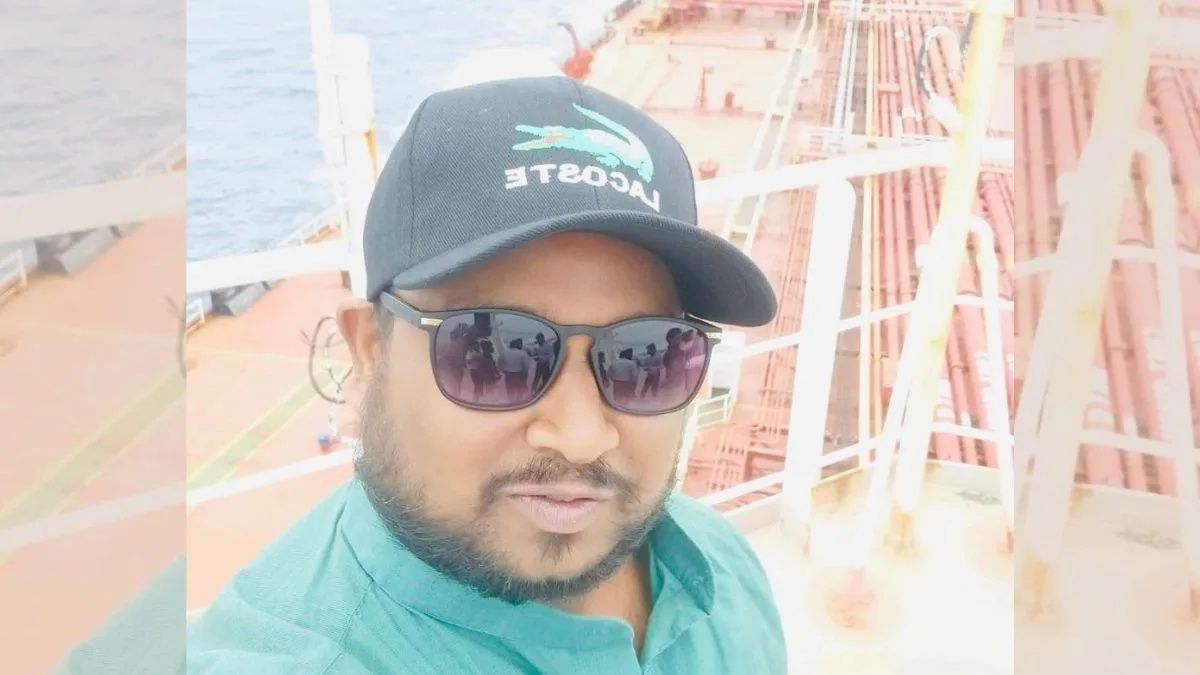
An Indian merchant marine worker's unexplained death in Venezuela has ignited serious allegations of impropriety and potential organ trafficking, with his family and maritime unions demanding intervention from New Delhi. Rakesh Chauhan, 33, from Deoria district in Uttar Pradesh, travelled to work aboard a commercial vessel in November 2025 but died within months under circumstances that remain contested. When his remains were repatriated to India on June 4, a post-mortem examination revealed a shocking discovery: virtually every major organ had been removed from his body, preventing Indian doctors from determining any cause of death.
The official investigation in his home district uncovered evidence that Chauhan's corpse bore extensive surgical incisions—22 stitches running vertically from his neck to the pubic area and another 21 stitches extending horizontally across his occipital region from ear to ear. The body had been stored in deep freeze conditions for approximately one month between May 7 and June 5, according to documented records. Indian pathologists noted the absence of the brain, heart, both lungs, liver, kidneys, spleen, pancreas, stomach, intestines, thyroid gland, hyoid bone, larynx, and trachea—essentially every organ essential for determining how the man died.
Chauhan's family has provided a timeline that raises significant questions about the handling of the case. According to their account, the shipping company initially informed relatives that their son had sustained injuries from an onboard fall and was receiving medical treatment. Within 24 hours, the narrative shifted dramatically: company representatives claimed there was only a five per cent survival probability, and by day's end, they confirmed he was deceased, attributing death to injuries from the incident. The family states they were assured the body would arrive in India within seven days, yet his mortal remains did not reach them for nearly a month.
A critical gap in the investigation involves the complete absence of official Venezuelan documentation. No autopsy report, no medical findings, and no formal explanation from Venezuelan authorities accompanied Chauhan's body when it was shipped to India. This omission stands out as highly irregular in maritime law and international maritime protocols, which typically require detailed death certification and pathological documentation for workers who perish abroad. The Federation of Seafarers' Unions of India has questioned whether Venezuelan medical personnel conducted any autopsy at all, or whether the removal of organs occurred with proper authorization and consent from family members.
The union's analysis identified additional irregularities that compound concerns about the legitimacy of the case. The receipt documentation accompanying the body allegedly bore the name "Anjana Chauraisya" rather than "Ranjana Chaurasiya," identified by the union as the individual purportedly signing on behalf of Chauhan's wife. More troublingly, the federation claims that the vessel specified in Chauhan's employment contract did not match the actual ship upon which he was deployed—a discrepancy suggesting either administrative negligence or deliberate misrepresentation about his work placement and circumstances.
For maritime workers across South Asia and the broader developing world, this case represents a broader vulnerability within commercial shipping's labor ecosystem. Indian seafarers constitute a crucial component of global maritime operations, with tens of thousands working aboard merchant vessels at any given time. Yet protections for workers who fall ill or perish while deployed abroad remain inconsistent and frequently inadequate. Port states often lack capacity or motivation to conduct thorough investigations into deaths involving foreign crew members, particularly from nations with limited diplomatic leverage. Chauhan's case illustrates how this structural weakness can create environments where accountability becomes nearly impossible.
The possibility of organ trafficking, though speculative, cannot be dismissed given the documented removal of every viable organ for transplantation. International medical syndicates have long targeted vulnerable populations in developing nations, and workers deployed internationally—especially in countries with weak governance and corruption concerns—remain at elevated risk. The Venezuelan healthcare system, already strained by political and economic crisis, may lack adequate oversight mechanisms to prevent unauthorized organ harvesting. That Chauhan's family received no Venezuelan autopsy report and no explanation for the organ removal compounds suspicions that something beyond standard medical practice occurred.
India's maritime safety advocacy community has rallied around the case, with the Federation of Seafarers' Unions calling the handling of Chauhan's death "unacceptable" and asserting that seafarers have become "scapegoats" in a system that prioritizes shipping company interests over worker protection. The union has demanded a comprehensive investigation led by Indian authorities, immediate engagement by the Indian Embassy in Caracas, full disclosure of all autopsy reports and medical records, and financial compensation for the bereaved family. This mobilization reflects growing frustration among Indian maritime organizations over repeated instances where workers' deaths abroad receive inadequate scrutiny and accountability.
The Indian government faces pressure to demonstrate commitment to protecting its nationals working overseas, particularly in high-risk environments like Venezuela, where political instability and institutional decay have weakened rule of law. Diplomatic channels will need to secure cooperation from Venezuelan authorities to access original medical records, interview hospital personnel, and clarify circumstances surrounding the organ removal. Without Venezuelan documentation, the Indian investigation will operate largely in darkness, reconstructing events through family testimony and the negative evidence of missing organs—a fundamentally incomplete foundation for establishing what actually occurred.
For Malaysian and Southeast Asian maritime communities, Chauhan's case serves as a cautionary reminder about the vulnerabilities inherent in seafaring careers, particularly for workers from nations without strong maritime regulatory frameworks or robust diplomatic protection mechanisms. The incident underscores the necessity for strengthened international maritime labor agreements, mandatory autopsy protocols in international waters, improved communication between port states and workers' home countries, and enhanced verification procedures for vessel assignments. Without systemic reforms addressing these gaps, other seafarers from the region remain exposed to similar risks, and their families face equivalent challenges in obtaining accountability when tragedy strikes.
The broader maritime sector must confront uncomfortable questions about labor protection standards and institutional accountability. When a worker's body returns with missing organs and no explanation, basic principles of human dignity and family rights have been violated regardless of the ultimate cause of death. Whether Chauhan's death was accidental, due to workplace negligence, or involves criminal activity remains undetermined, but the handling of his remains has already revealed institutional failure across multiple jurisdictions and maritime authorities.

