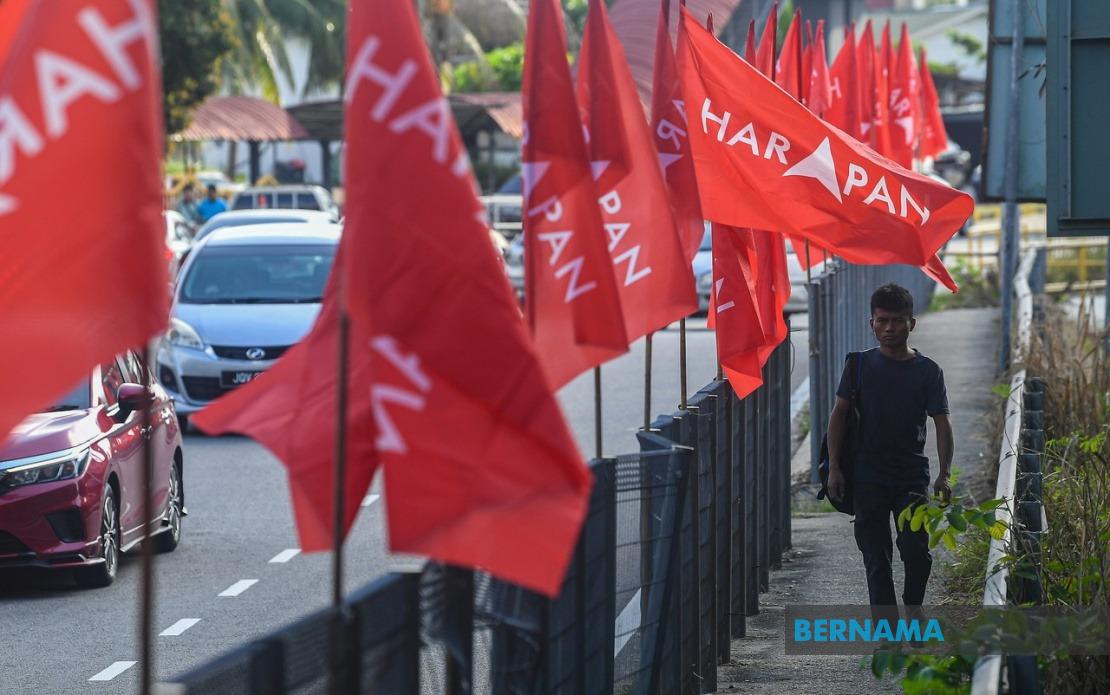
The Indian community in Johor stands as a potentially decisive voting bloc in the upcoming state election on July 11, according to senior Pakatan Harapan leadership. Dr Gunaraj George, a Parti Keadilan Rakyat (PKR) Central Leadership Council member and current Sentosa Assemblyman, has framed the contest as far more than a routine electoral exercise, positioning it instead as a referendum on the nation's direction and prosperity. His remarks underscore a broader PH strategy to secure cross-community support by emphasizing shared economic interests and political continuity rather than race-specific appeals alone.
While the Indian community represents a demographic minority within Johor, their electoral influence extends considerably beyond their raw numbers. Dr Gunaraj identified nearly 25 mixed and marginal state assembly constituencies where Indian voter preferences could realistically swing results either way. In a state election where PH is defending its incumbent position across all 56 seats, even modest swings in these pivotal seats could prove critical to maintaining control of the Johor government. This mathematical reality explains the coalition's targeted outreach to this demographic segment during the campaign period.
The appeal carries particular weight given Malaysia's current macroeconomic environment. Dr Gunaraj emphasized that persistent global uncertainties, intensifying geopolitical tensions, and escalating living costs create an urgent need for governmental stability and proven economic competence. His argument positions political continuity not as an abstract concept but as a prerequisite for attracting foreign investment, sustaining job creation, and protecting household incomes. This framing attempts to transcend communal divisions by rooting the election narrative in pocketbook concerns that affect all Malaysians regardless of ethnicity.
PH has attempted to strengthen its appeal to the Indian community through concrete policy initiatives introduced since assuming federal office more than three and a half years ago. Most prominently, the MADANI Government increased the Malaysian Indian Transformation Unit (MITRA) allocation to RM150 million after the budget remained static for nearly a decade under previous administrations. Prime Minister Datuk Seri Anwar Ibrahim has publicly committed to progressive increases in this allocation to accommodate evolving community needs. The coalition simultaneously modernized MITRA's operational framework, introducing enhanced transparency mechanisms and parliamentary oversight that previous administrations had not implemented.
Beyond the flagship MITRA initiative, the government has pursued a portfolio of targeted investments in institutions and services utilized substantially by the Indian community. Tamil National-Type Schools (SJKT) have received enhanced budget allocations, addressing longstanding concerns about educational infrastructure and facilities within this community segment. Concurrent with educational support, the administration directed resources toward the maintenance and upkeep of places of worship, including temples, recognizing that religious institutions serve as cultural anchors within Indian communities. These investments signal governmental recognition of specific community priorities rather than generic multicultural rhetoric.
The MADANI Government has also expanded Technical and Vocational Education and Training (TVET) programmes with explicit outreach to students from economically disadvantaged backgrounds, a demographic that significantly overlaps with lower-income Indian households. Simultaneously, welfare cash transfer schemes including Sumbangan Tunai Rahmah (STR) and Sumbangan Asas Rahmah (SARA) provide direct income support to vulnerable populations. Small business support mechanisms targeting micro, small, and medium enterprises have been enhanced, potentially benefiting Indian entrepreneurs and traders who form a significant proportion of Malaysia's informal economic sector.
PH's broader institutional agenda offers additional context for the Indian community's electoral decision. The coalition has consistently emphasized anti-corruption efforts, governance reforms, and initiatives designed to distribute developmental benefits across all societal segments rather than concentrating advantages among favored groups. From the perspective of communities historically marginalized or subordinated within affirmative action frameworks, institutional reforms and inclusive economic policies may hold particular appeal by promising more equitable resource distribution mechanisms. Dr Gunaraj's emphasis on this dimension suggests PH believes structural reform arguments resonate with Indian voters concerned about long-term equity.
The timing of this election carries significance beyond routine state-level politics. Johor represents Malaysia's second-largest state economy and a strategic geographical position within the nation. Election outcomes here have historically influenced calculations within federal politics, and maintaining PH's government in Johor would reinforce the coalition's narrative of electoral strength and public endorsement. Conversely, a PH defeat would provide ammunition to opposition parties seeking to characterize the federal government as increasingly unpopular despite economic policy claims.
From a Southeast Asian perspective, the Johor election illustrates ongoing patterns within Malaysian politics whereby coalition governments must actively manage multiethnic support coalitions rather than relying on consolidated voting blocs. Unlike some regional democracies where single-community dominance characterizes electoral outcomes, Malaysian elections require negotiation and reciprocal accountability with multiple demographic groups. PH's appeal to Indian voters through specific programme achievements rather than abstract promises reflects evolving political sophistication in how coalitions justify their tenure to minority communities.
The election outcome will likely generate broader implications for how future Malaysian governments approach minority community engagement. A strong Indian community turn-out supporting PH would vindicate the coalition's strategy of combining targeted investment with institutional reform messaging. Conversely, if Indian voters express dissatisfaction or abstain, it could prompt PH to reassess its outreach methodology and policy priorities. Either result would offer lessons extending beyond Johor to other states and the next federal election cycle, making this contest consequential for understanding Malaysian electoral dynamics beyond the immediate state-level stakes.

