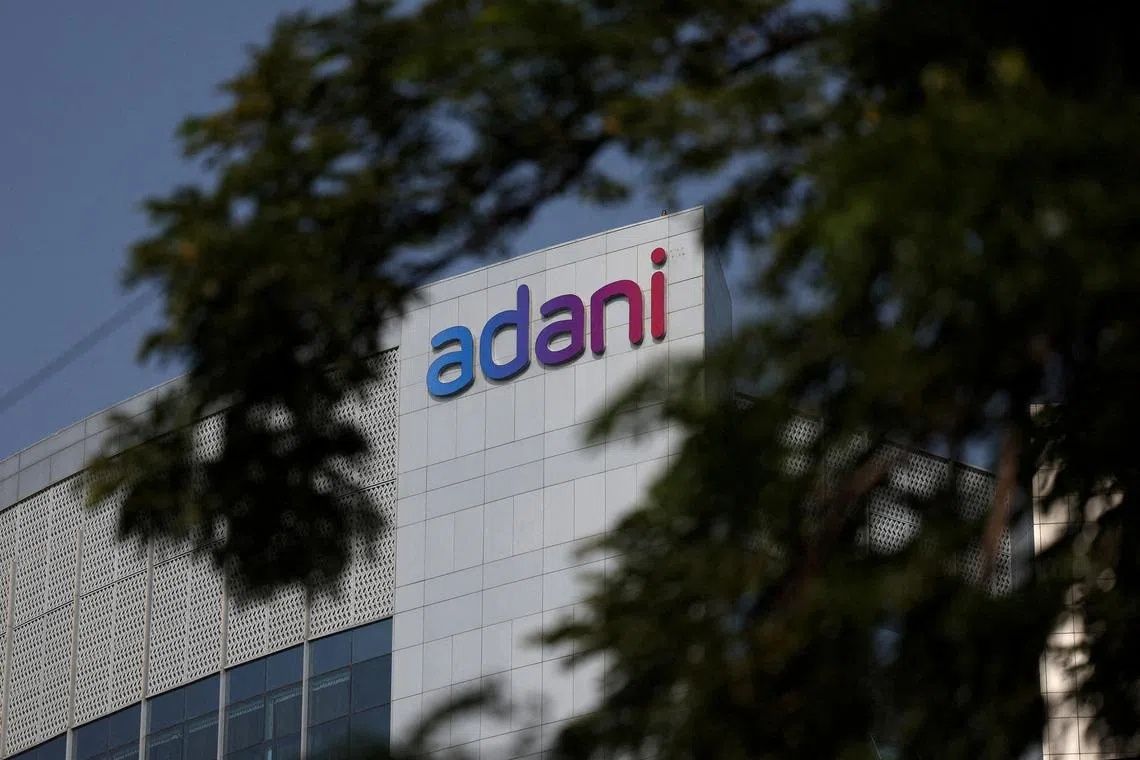
India's customs authorities have thrown their weight behind the country's health ministry in a regulatory battle with the Adani Group over the distribution of nicotine pouches through airport duty-free retailers. The development marks a significant escalation in government action against the billionaire Gautam Adani's sprawling business empire, which operates critical transport infrastructure across the nation. By joining health officials in their enforcement action, customs has effectively closed a potential loophole that the Adani Group has been relying upon to defend its continued sales of these products.
The conflict crystallised following a March inspection at Mumbai's international airport, where health officials documented the presence of nicotine pouches in Adani's duty-free establishments. India's health authorities determined that selling these products—which remain unapproved for distribution within the country—violated domestic law. Rather than accepting this finding, Adani has mounted a legal challenge at Mumbai High Court, arguing that the company's international terminal retail operations occupy a special regulatory status that shields them from India's domestic consumer protection frameworks.
The customs department's formal response, filed on June 22, directly contradicts this interpretation. In stark bureaucratic language, officials asserted that tax advantages granted to goods within duty-free zones do not confer immunity from the full spectrum of Indian regulations. This position fundamentally reframes how India's regulatory authorities view the relationship between tariff treatment and product approval requirements. The statement suggests that the government views the two categories of regulation—fiscal and consumer protection—as entirely separate domains, with neither subordinating the other.
Adani's legal strategy has centred on two complementary arguments. First, the company contends that goods destined for international passengers operate under distinct legal principles that isolate them from domestic rules. Second, in a filing submitted to the court on July 13, Adani argued that customs authorities had no standing to demand cessation of sales without first issuing formal warning notices—a procedural objection that challenges the enforcement methodology rather than the underlying regulatory principle. The company also maintains that duty-free purchasers receive goods in sealed packaging with explicit restrictions against domestic consumption, theoretically rendering them beyond India's jurisdictional reach.
Customs authorities have categorically rejected this reasoning as impractical. Officials noted that once passengers take physical possession of duty-free items, the sealed bag requirement becomes unenforceable. From a regulatory standpoint, goods that enter a customer's hands—regardless of packaging instructions—become subject to consumer use within Indian territory, making prior prohibitions meaningless. This practical objection strikes at the heart of Adani's legal strategy by exposing the logical inconsistency between the company's stated restrictions and the reality of passenger behaviour.
Nicotine pouches represent one of the world's most rapidly expanding consumer products in the tobacco and nicotine category, gaining traction particularly in developed markets where traditional smoking has declined. The global leader, Philip Morris International, has reported extraordinary growth for its Zyn brand, which nearly doubled sales in the United States between 2023 and 2024. This international momentum has not translated to India, where regulatory authorities have declined to approve these products for lawful distribution, reflecting different public health assessments and consumer protection priorities.
Adani's commercial interest in duty-free nicotine pouch sales must be understood within the context of the group's broader infrastructure ambitions. The conglomerate operates eight airports across India and has announced an $11 billion expansion programme that places substantial emphasis on revenue from duty-free retail operations. For Adani, duty-free offerings represent a high-margin business segment that could significantly enhance airport profitability. The company has been importing substantial quantities of nicotine products—specifically Zyn and White Fox brands manufactured by Swedish Smokeless Solutions—with imports exceeding $35,000 since August, according to trade data.
This litigation carries implications extending well beyond a single company's commercial interests. The case will likely establish precedent for how India's regulatory authorities interpret the relationship between special commercial zones and consumer protection laws. Should Adani prevail, it could create opportunities for other retailers to argue similar exemptions from domestic regulations through duty-free designations. Conversely, if authorities succeed, the principle would reinforce that India's regulatory frameworks apply comprehensively across all commercial spaces, regardless of tax status.
For Malaysian readers and Southeast Asian observers, the Adani case reflects a broader regional tension between liberalised commercial frameworks and strengthened consumer protection regimes. As nations across the region develop robust regulatory systems for emerging products, questions inevitably arise about how these rules apply to special commercial zones, international terminals, and cross-border transactions. India's approach—insisting on uniform regulatory application—contrasts with more permissive regimes in some neighbouring jurisdictions, illustrating the divergent regulatory philosophies emerging across South and Southeast Asia.
The government's failure to respond to media queries suggests that Indian authorities view this matter as sub judice and prefer to litigate their position rather than conduct public debate. This approach reflects the formality of the legal process while limiting opportunities for the public to understand the regulatory reasoning behind the health ministry's initial decision to prohibit these products. The next hearing, scheduled for July 28, will provide the court with an opportunity to address these competing regulatory visions directly.
The broader context reveals a strategic calculus within the Adani Group regarding emerging consumer products and their commercial potential. By aggressively pursuing duty-free distribution despite clear regulatory opposition, the company has signalled its confidence in the ultimate commercial viability of nicotine pouches within India's market. Whether courts will permit that confidence to overcome domestic health regulations remains the central question as litigation proceeds.

