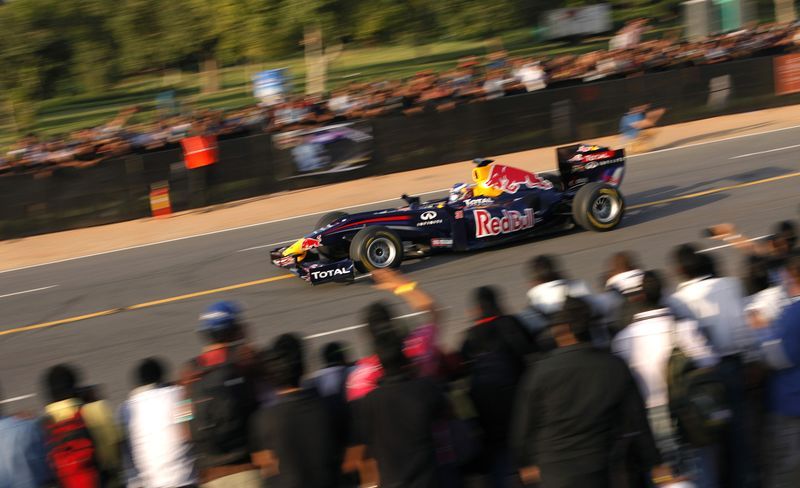
India is mounting a determined push to restore Formula One racing to its shores, with the government assembling a dedicated task force to overcome the bureaucratic and fiscal barriers that halted the sport a decade and a half ago. The Buddh International Circuit on the outskirts of New Delhi is being positioned as the venue for this ambitious comeback, with officials aiming to host a Grand Prix by 2028. This represents a significant shift in the country's approach to motorsport, signalling renewed political commitment to hosting one of the world's most prestigious sporting events.
The Indian Grand Prix initially took hold in 2011, becoming a showcase for the nation's sporting ambitions and attracting global motorsport enthusiasts to a purpose-built facility. However, the event proved short-lived, lasting only until 2013 when disputes over taxation arrangements and regulatory compliance led to its cancellation. The premature termination left a notable gap in Formula One's global calendar and represented a setback for India's aspirations as a major sporting destination. The intervening years have seen the country lose substantial revenue and prestige associated with hosting the championship.
Sports Minister Mansukh Mandaviya has taken the lead in reviving the initiative, recently convening meetings with key stakeholders to chart a pathway forward. These consultations brought together potential track operators, including the Adani Group, alongside officials from India's motorsports federation to assess the practicality of revival efforts. The minister's engagement underscores the government's determination to make this venture succeed where previous attempts faltered, suggesting that lessons have been learned from the earlier experience.
The task force being established will tackle the fundamental issues that derailed the previous Formula One iteration, with taxation challenges taking precedence on its agenda. The panel will examine the intricate web of regulatory frameworks, infrastructure requirements, and policy modifications needed to create a sustainable environment for the championship's operation. The inclusion of India's tax authorities within the task force structure indicates that financial arrangements between the government and race promoters will receive rigorous scrutiny from the outset, preventing the contentious disputes that arose in 2013.
Inter-ministerial coordination has been elevated to the highest policy levels, with India's principal economic think tank tasked with cutting through bureaucratic red tape. This streamlined governance approach reflects an understanding that Formula One's operational complexity demands seamless cooperation across multiple government departments and agencies. By centralizing coordination and removing obstacles proactively, officials hope to create clarity for potential promoters and thereby attract serious international interest in managing the event.
The Adani Group, India's largest multinational conglomerate, is positioned as the leading candidate to operate the circuit. The company is currently completing its acquisition of the entity that previously owned the Buddh International Circuit, positioning it to control the venue's future. While the group has not publicly detailed its Formula One ambitions, Karan Adani, Managing Director of Adani Ports & Special Economic Zones Limited, has indicated his personal involvement in efforts to secure the championship's return. This backing from one of India's most influential industrial families carries significant weight in navigating regulatory processes and securing necessary government approvals.
Formula One's global leadership has signalled receptiveness to India's overtures, though with carefully measured expectations about timing and feasibility. Stefano Domenicali, the championship's chief executive, recently acknowledged Formula One's "big interest" in returning to India, recognizing the market potential of the world's most populous nation. However, Domenicali's commentary emphasised that substantial groundwork remains before a race can materialize, cautioning against unrealistic timelines. His remarks to Indian broadcasters suggest that while Formula One views India as a strategically important market, the organization requires credible promoters, viable operational frameworks, and realistic implementation schedules before committing to the arrangement.
For Malaysia and broader Southeast Asia, India's Formula One revival carries implications for the region's motorsport ecosystem and competitive positioning. Singapore's Grand Prix, which has become deeply embedded in the championship's calendar since 2008, may face questions about regional representation should India successfully relaunch its event. Additionally, the infrastructure investments and hospitality revenues associated with hosting Formula One represent significant economic opportunity that neighboring nations also pursue. India's renewed focus on capturing this prestige could influence regional competition for major sporting events and the talent and tourism investment they generate.
The 2028 target date provides India with a reasonable window to resolve outstanding technical and legal issues without rushing implementation. This timeline allows the newly formed task force to methodically address taxation structures, insurance frameworks, and safety certifications required for Formula One operations. It also provides Formula One sufficient notice to integrate India into its strategic scheduling, balancing the Indian market's commercial potential with operational complexity. The target year positions India's revival as both ambitious and achievable, contrasting with the haste that may have contributed to earlier difficulties.
Successfully bringing Formula One back to India would represent a significant economic stimulus beyond motorsport itself. The championship generates ancillary employment, hospitality demand, international tourism, and global media attention that amplify economic returns. India's large, increasingly affluent middle class provides a substantial domestic audience for the sport, while international broadcasters view the Indian market as essential for Formula One's long-term commercial viability. A successful return would validate India's institutional capacity to manage complex international sporting events and may encourage investment in other major championships and competitions.

