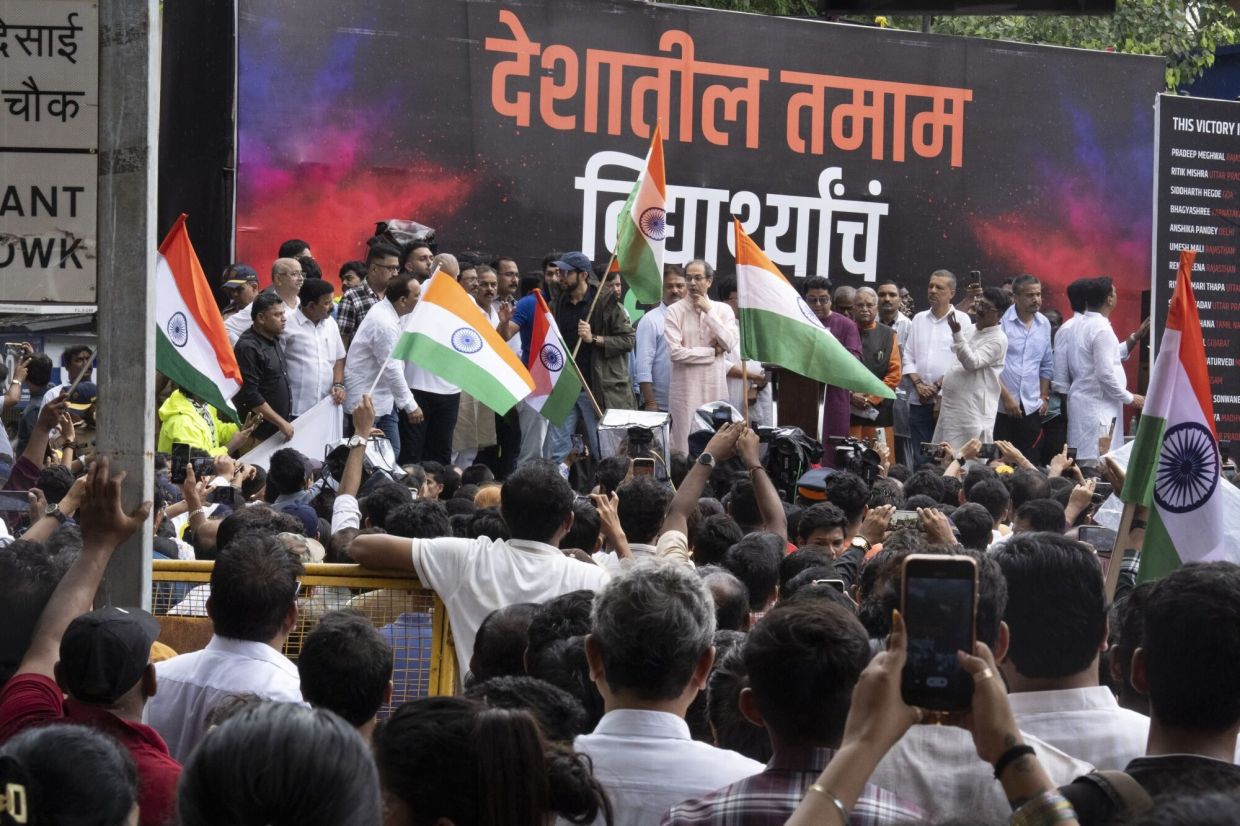
India's Prime Minister Narendra Modideclared on Sunday a comprehensive overhaul of the national examination system through a specially constituted task force, marking a significant administrative response to mounting public pressure over educational integrity. The announcement came just hours after the government's education minister stepped down from office, underscoring the gravity of concerns that have roiled the country's academic establishment in recent weeks. Speaking through a video statement posted to social media platform X, Modi outlined a government commitment to rebuild confidence in a system that has faced persistent allegations of mismanagement and irregularities.
The examination reform initiative will be spearheaded by Nandan Nilekani, the prominent co-founder of Infosys, one of India's most recognized information technology companies. Nilekali's appointment to lead this high-powered task force signals the Modi administration's intent to bring corporate-sector expertise and technological sophistication to bear on what many observers view as an outdated and vulnerability-prone examination infrastructure. This choice also reflects a broader pattern within the government of drawing on India's private sector leadership to tackle structural governance challenges.
The resignation of the education minister represents a notable political concession by the Modi administration, which has traditionally shown limited tolerance for public criticism of its policies. The minister's departure follows weeks of escalating demonstrations centred primarily around examination malpractices and their broader implications for India's youth. The timing of the resignation, coupled with the government's acceptance of several key protester demands, indicates that student mobilization through digital networks has successfully penetrated political decision-making circles at the highest levels.
Mass protests organized loosely through social media coalesced around what activists term the Cockroach Janta Party (CJP) movement, drawing thousands of predominantly young demonstrators to Jantar Mantar, Delhi's traditional site of political activism and civil disobedience. The sustained occupation of this symbolic location, combined with the movement's ability to mobilize support across India's digital networks, created sufficient political pressure to force the government's hand. For a nation where youth unemployment and educational quality directly affect social stability, the resonance of these protests reflects deeper anxieties about systemic fairness and opportunity.
In his formal announcement, Modi emphasized three fundamental principles that will guide the examination reform process: reliability, transparency, and technological integration. These stated priorities directly address the core grievances that animated the protest movement, tacitly acknowledging that past examination procedures failed to meet basic standards of public confidence. The emphasis on technology-driven solutions particularly suggests that the task force will explore digital mechanisms to reduce opportunities for fraud, manipulation, or administrative error that have plagued conventional examination procedures.
The symbolic cleanup undertaken at Jantar Mantar in the immediate aftermath of the protests illustrated the government's eagerness to demonstrate responsiveness. Municipal workers were deployed to restore the site where activists had maintained a prolonged encampment, washing pavements and effectively erasing visible traces of the demonstration. Yet this physical restoration occurred against the backdrop of vocal departures from the site itself—activists continued singing protest songs and issuing demands even as preparations for normalization began around them. This juxtaposition captured the tension between government containment efforts and genuine demands for substantive reform.
Modi's commitment to ensure credibility of forthcoming examinations reflects awareness that examination integrity directly affects national competitiveness and social cohesion. India's examination system gates access to higher education and professional opportunities for hundreds of millions of young people, making irregularities not merely administrative inconveniences but potential sources of widespread socioeconomic dislocation. Any perception that examinations are compromised by fraud or manipulation undermines meritocratic principles that the government rhetorically champions, while also fueling generational grievances.
For Southeast Asian observers, India's experience offers instructive lessons about youth political mobilization through digital platforms and the capacity of coordinated student action to compel governmental reform. Malaysia and other regional nations with large youth populations and competitive examination cultures may recognize similar vulnerabilities in their own educational systems. The success of India's student protesters in forcing ministerial resignation and high-level administrative restructuring demonstrates that sustained, digitally-coordinated pressure can overcome bureaucratic inertia even in nations with strong executive authority.
The establishment of the Nilekani-led task force also reflects a broader global trend toward conscripting private sector expertise to address public sector governance failures. This approach carries both potential benefits—in terms of technological innovation and efficiency—and risks, including the possibility of privatization agendas or corporate influence over public educational policy. How India's government ultimately implements the task force recommendations will significantly shape the trajectory of examination reform across South Asia's education systems.
The government's rapid pivot from dismissing protests to announcing comprehensive reform suggests that maintaining social stability among India's vast youth population represents a paramount policy concern. With unemployment and educational access remaining flashpoint issues across the subcontinent, and with demonstrated capacity for rapid digital mobilization, student movements are likely to remain politically significant forces shaping governance priorities in coming years. This episode marks a notable instance of bottom-up pressure successfully reshaping elite decision-making structures.

