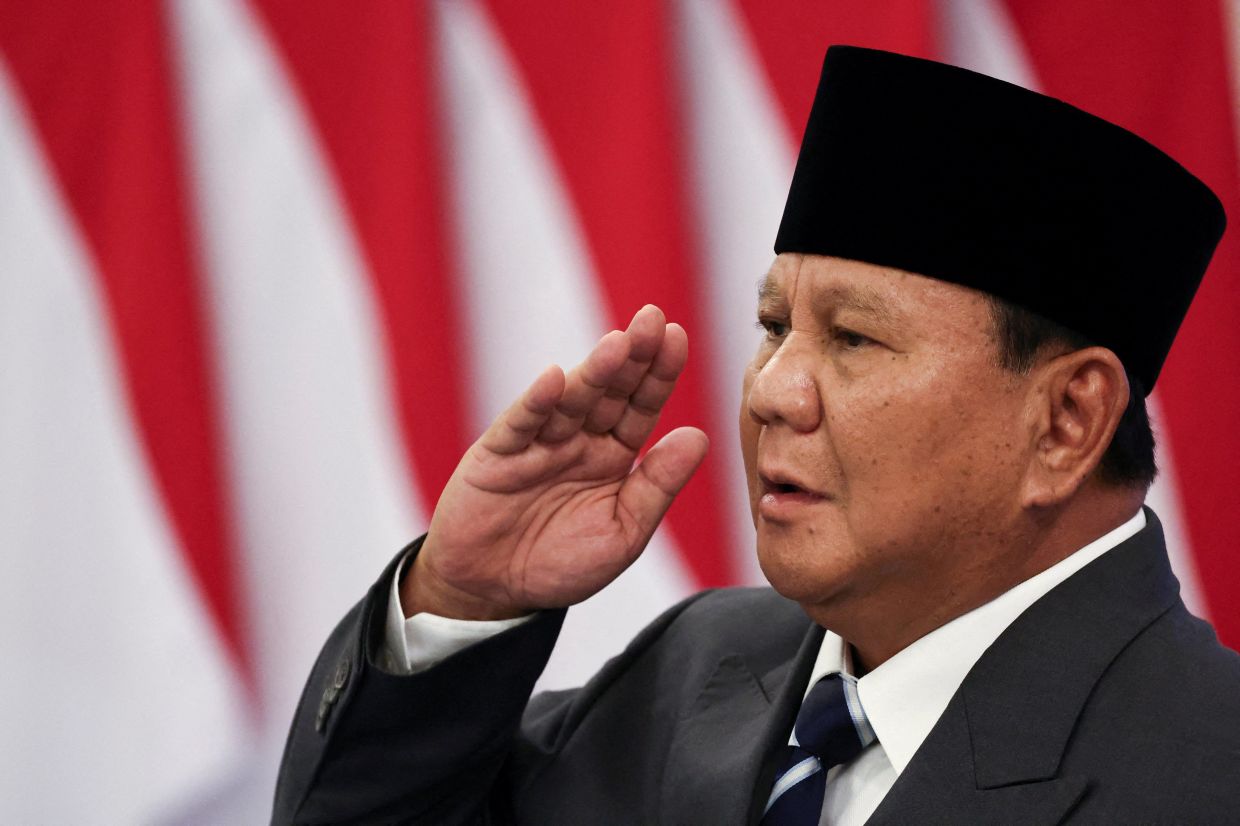
Indonesia's defence ministry has significantly scaled back its military training regimen for participants in President Prabowo Subianto's flagship village cooperative initiative, following the deaths of five trainees within the opening weeks of the programme. The decision represents a substantial reversal of the original training curriculum and comes amid mounting pressure from civil society groups questioning the appropriateness of subjecting civilian cooperative managers to military-style instruction.
The "Red and White Cooperatives" programme, which launched last July, represents an ambitious economic undertaking designed to generate employment across rural Indonesia while supporting the government's goal of achieving 8% economic growth by 2029. The scheme envisages establishing approximately 80,000 village-based cooperatives that would distribute essential commodities, subsidised cooking gas, and agricultural fertiliser to communities. Nearly 35,000 individuals are currently participating in the training cycle that began on June 14, with completion required before candidates can assume management positions within their respective cooperatives.
The five deaths occurred between June 17 and June 26, with participants succumbing to conditions including cardiac arrest, heat stroke, tuberculosis and pneumonia. These fatalities during the initial two weeks of what was originally conceived as a 45-day training programme triggered immediate scrutiny of the initiative's operational structure. The defence ministry acknowledged that participants had cleared medical screening before enrolment, yet the mortality rate raised serious questions about whether appropriate safeguards existed within the training environment and whether the physical demands were calibrated to the civilian backgrounds of the managers-in-training.
Defence ministry spokesperson Rico Sirait announced on Tuesday that a comprehensive evaluation had led to substantial curriculum modifications. The restructured programme now eliminates technical military material, tactical instruction, and firearms training—components that appeared incongruous with the civilian management function the cooperative managers would ultimately perform. Physical exertion levels have been substantially reduced and recalibrated to account for the civilian status and varying fitness levels of participants, acknowledging that many lacked prior military or paramilitary experience.
The reframed training now concentrates on developing personal character, instilling discipline, cultivating leadership competencies, and fostering cooperative partnerships. This represents a philosophical pivot away from the militaristic emphasis that characterised the original programme design. The rationale for military instruction in the first place had never been entirely clear to outside observers, as the cooperative managers would be managing commercial operations rather than requiring combat readiness or tactical proficiency in their professional capacity.
The ministry's initial defence of the original training format proved increasingly untenable. Officials had previously asserted that the instruction did not entail strenuous physical exertion and that all deceased participants possessed medical clearance prior to commencing the programme. These assurances rang hollow once the mortality figures became public, particularly when the causes of death included heat stroke—a condition often associated with excessive physical exertion in unfavourable environmental conditions—and heat-related illnesses that suggest environmental or training intensity factors may have contributed to the outcomes.
Indonesia's National Commission on Human Rights weighed in formally on Sunday, issuing a call for the government to terminate the basic military training component entirely. This intervention by the human rights body reflects broader concerns within civil society about the militarisation of civilian governance structures and whether such training methodologies represent an appropriate use of state resources or a proportionate approach to civilian capacity building. The commission's position suggests that many observers view even the modified training as excessive for individuals pursuing cooperative management roles.
The incident underscores tension within Indonesia's governance approach regarding the role of military institutions in civilian spheres. While some policymakers view military discipline and training as vehicles for instilling order and institutional values, critics contend that such approaches may be counterproductive, particularly when applied to civilian populations with limited prior exposure to structured military environments. The fatalities have crystallised these concerns and forced a recalibration of the programme's methodology.
For Malaysia and other Southeast Asian nations, the Indonesian experience offers instructive lessons regarding programme design and risk management in ambitious economic initiatives. The cooperative programme's underlying economic objectives remain sound—job creation and rural development through commodity distribution networks address legitimate development priorities. However, the operational architecture through which such objectives are pursued must be proportionate to the actual requirements of the role being filled and must incorporate robust safeguards protecting participant welfare.
The restructuring also has implications for how Indonesian policymakers approach future civilian training and capacity-building initiatives within government programming. The visibility of deaths and subsequent policy reversal may encourage greater caution in programme design, with clearer delineation between civilian and military spheres. Government agencies may become more circumspect about imposing military methodologies on civilian participants, even when such instruction is framed as character-building or discipline-enhancement.
The modified training approach, emphasising character development and leadership skills over military tactics, may ultimately prove more effective for the cooperative managers' actual job requirements while substantially reducing associated risks. However, the programme will now face heightened public scrutiny regarding participant safety, training methodology, and whether the investment in such training yields demonstrable returns in cooperative performance and rural economic outcomes.
Indonesia's modification of the training programme demonstrates both the responsiveness of the defence ministry to public concern and the government's commitment to the underlying economic objectives of the cooperative initiative. By eliminating problematic elements while retaining the professional development components, officials have attempted to preserve the programme's credibility while acknowledging legitimate safety and appropriateness concerns. Whether this adjusted approach will satisfy civil society critics or successfully achieve its intended outcomes remains to be determined as the training continues through July 31.

