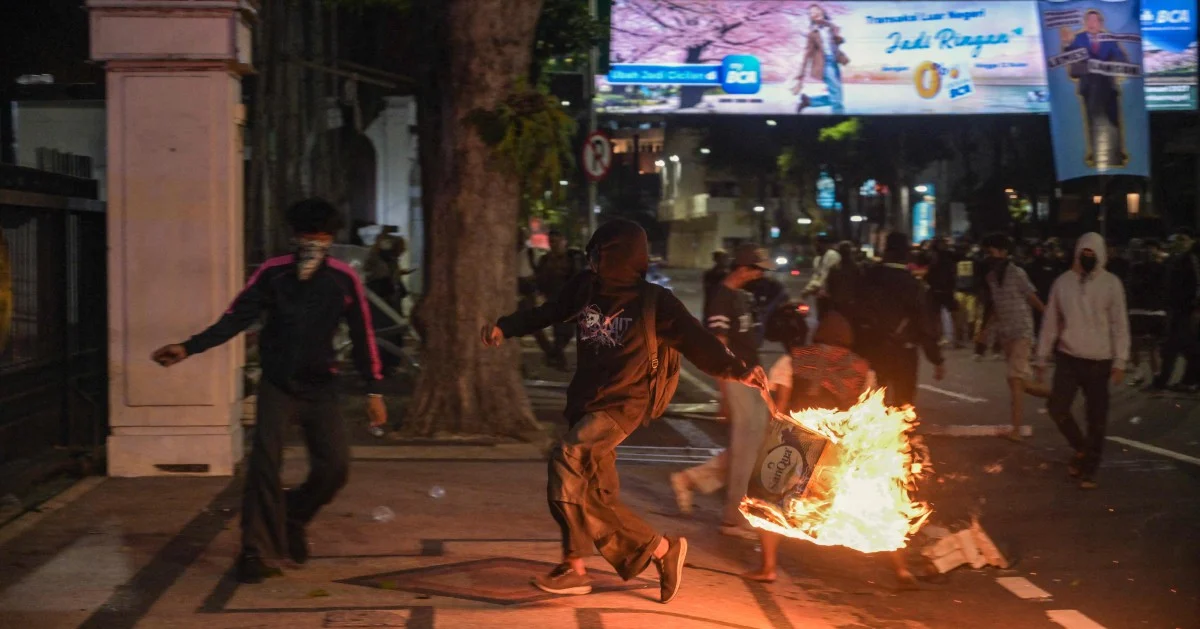
Indonesian police detained over 50 demonstrators in Surabaya after a protest rally opposing President Prabowo Subianto's government policies, according to human rights organisations monitoring the incident on Saturday. The mass arrests in Indonesia's second-largest city underscore mounting tensions as the new administration faces early challenges to its legitimacy and policy direction.
The detention of protesters raises fresh concerns about the space for public dissent in Indonesia, the world's largest Muslim-majority democracy and Southeast Asia's largest economy. Such incidents typically occur when demonstrations touch on sensitive political matters or when authorities perceive a threat to public order. The arrested individuals are expected to face questioning regarding their participation in the unauthorised gathering.
Surabaya, located in East Java province, has historically served as a focal point for political activism and grassroots movements. The city's significance as a commercial and cultural hub means that protests here often attract national attention and media scrutiny. The latest demonstration appears to reflect broader discontent among certain sections of Indonesian society regarding the government's initial policy announcements and implementation approaches.
President Prabowo Subianto, who assumed office following elections earlier this year, has faced criticism from various quarters including labour groups, civil society organisations, and opposition politicians. His administration's economic policies, defence spending priorities, and approach to governance have become lightning rods for organised protest activity. The detention of demonstrators suggests authorities are adopting a firm stance against organised opposition mobilisation.
Indonesian law permits citizens to hold public gatherings, though regulations require advance notification to local authorities and compliance with permit conditions. Disagreements over protest permissions and police conduct during demonstrations have long been a contentious issue between civil liberties groups and law enforcement agencies. Human rights monitors frequently document incidents where officers employ force or make arrests they characterise as disproportionate to the alleged violations.
The timing of these arrests carries significance for regional observers tracking Indonesia's democratic health. As Southeast Asia's largest nation grapples with governance challenges, the treatment of peaceful protesters becomes an important indicator of institutional respect for fundamental freedoms. Malaysia and other neighbouring countries maintain close attention to Indonesia's internal stability given deep bilateral economic and security ties.
Human rights advocates have called for the immediate release of those detained, arguing that peaceful assembly constitutes a protected democratic right. Local civil society groups are reportedly gathering information about the arrested individuals' identities and monitoring their treatment in custody. Legal aid organisations have begun coordinating defence strategies for those facing formal charges.
The incident occurs as President Prabowo's cabinet implements controversial economic measures affecting labour standards and social programmes. Several policy initiatives have generated organised resistance from trade unions, student organisations, and religious groups, each mobilising followers through social media and traditional organising methods. These overlapping protest movements suggest sustained political mobilisation against the government's direction.
Authorities have not yet provided detailed official statements regarding the arrests or specified which provisions of Indonesian law the detained individuals allegedly violated. Police typically cite public order concerns or claims that gatherings lacked proper permits when justifying detention decisions. Independent verification of arrest numbers and detainee identities remains pending as documentation processes unfold.
The broader context involves ongoing negotiations between Prabowo's administration and various stakeholder groups including business associations, labour confederations, and international investors who maintain different interests in government policies. The administration must balance economic reform objectives against social stability concerns and pressure from international observers emphasising democratic norms. How authorities manage future demonstrations will likely influence domestic political temperature and international perceptions of Indonesia's governance standards.
For Malaysia's business and political leadership, developments in Indonesia carry direct implications given the countries' integrated regional role and extensive people-to-people connections. Malaysian companies operate extensively in Indonesia, and any deterioration in democratic freedoms or political instability could affect bilateral relations and regional security architecture. The Indonesian government's handling of dissent therefore merits careful monitoring by Malaysian stakeholders and policymakers concerned with Southeast Asian stability.

