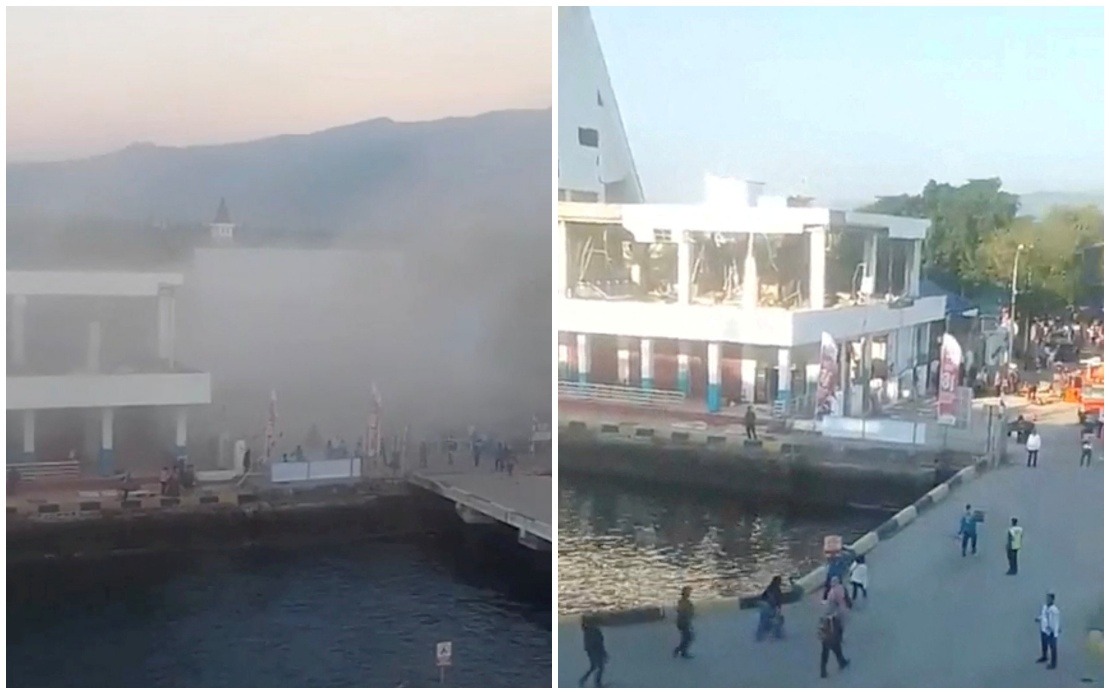
Eastern Indonesia has been struck by a devastating magnitude 7.7 earthquake that has claimed at least 20 lives, according to emergency management officials responding to the disaster off the coast of Flores Island. The initial tremor, which occurred early Saturday and was centred in the vicinity of Mbay town in Nagekeo Regency, has been followed by multiple powerful aftershocks, compounding the danger facing residents across the affected region and complicating ongoing search and rescue operations.
Fathur Rahman, an official with the Maumere Search and Rescue Office, confirmed to news agencies that the confirmed death toll now stands at 20 individuals, with an additional six people sustaining injuries from the earthquake's violent shaking. The rescue operation has become increasingly complex as two further individuals remain unaccounted for and presumed trapped beneath collapsed structures, presenting urgent challenges for emergency teams working to locate and extract survivors from the rubble.
Melki Laka Lena, the governor of East Nusa Tenggara province, provided a preliminary assessment of the physical devastation during a press conference held in Kupang on Saturday. The governor revealed that the earthquake has inflicted substantial damage across multiple residential and commercial buildings throughout the affected zones, while numerous thoroughfares have been rendered impassable due to either direct damage or secondary effects from landslides triggered by the seismic activity. The full scope of infrastructure damage remains unclear as authorities continue the painstaking process of cataloguing affected areas.
Visual documentation captured by residents and shared across social media platforms revealed the graphic nature of the disaster unfolding in real time. Video footage depicted residential and commercial structures disintegrating and collapsing into clouds of dust and scattered rubble, whilst panicked residents fled their homes and rushed into streets seeking refuge from potential aftershocks. These images underscore the sudden violence with which the earthquake struck the region and the terror experienced by those caught in its immediate path.
The seismic event prompted Indonesia's Meteorology, Climatology and Geophysics Agency to issue an initial tsunami warning for the waters surrounding the affected region. Although this warning was subsequently cancelled, the agency has maintained stern guidance for residents to remain vigilant against the genuine threat of additional aftershocks, which often follow major earthquake events and can cause further casualties and damage. The decision to lift the tsunami warning, whilst a relief to coastal residents, does not diminish the ongoing hazards presented by continued seismic activity in the area.
The disaster has had cascading effects on regional transportation networks. Multiple commercial flights serving East Nusa Tenggara province were cancelled in the immediate aftermath of the earthquake, disrupting travel for residents and tourists whilst emergency response efforts were mobilised. This disruption reflects both the operational challenges created by the earthquake and precautionary measures implemented to ensure safety during the unstable period following the initial tremor.
International authorities have issued their own advisories. The Chinese Consulate General in Denpasar released a formal notice on Saturday morning directed at Chinese nationals present within its consular jurisdiction, particularly those engaged in tourism in the popular destination of Labuan Bajo. The consulate urged these individuals to exercise heightened vigilance and maintain close monitoring of official earthquake and disaster alerts disseminated by Indonesian authorities. Additionally, the consulate recommended that Chinese citizens maintain heightened awareness of tsunami risks and exercise caution by avoiding coastal areas during the unstable period following the main earthquake.
The geological characteristics of the Flores region make it particularly vulnerable to major seismic events. Located in one of the world's most active tectonic zones, the area experiences frequent earthquakes as the Indo-Australian Plate subducts beneath the Eurasian Plate. For Malaysia and the broader Southeast Asian region, this catastrophe serves as a sobering reminder of the seismic hazards that affect the wider region, particularly for areas like Sabah and Sarawak that also sit within active earthquake zones. The disaster underscores the necessity for robust early warning systems and disaster preparedness across the region.
Emergency operations continue to evolve as rescue teams systematically search through affected communities to identify additional casualties and assess the full extent of structural damage. The ongoing risk of aftershocks means that rescue workers face considerable personal danger whilst attempting to access collapsed buildings and retrieve survivors. Authorities have acknowledged that comprehensive damage assessments will take considerable time to complete as teams work methodically through heavily affected areas.
For the affected population in East Nusa Tenggara, the coming days will present formidable challenges as communities grapple with the loss of life, injuries to survivors, and the displacement of those whose homes have been damaged or destroyed. The provincial government faces enormous pressure to coordinate relief efforts, establish temporary shelters, and restore critical infrastructure including roads and communication networks. International assistance may prove necessary given the scale of the disaster and the region's limited emergency response resources.
The earthquake demonstrates the persistent vulnerability of Indonesia's eastern regions to natural disasters and the need for continued investment in disaster preparedness infrastructure. For other Southeast Asian nations, including Malaysia, the event reinforces the importance of maintaining effective earthquake monitoring systems, public education about earthquake safety, and coordination mechanisms with neighbouring countries when disasters threaten cross-border impacts such as potential tsunamis. As rescue operations continue, authorities remain focused on preventing the death toll from rising further as aftershocks persist and the work of recovery and reconstruction looms ahead.

