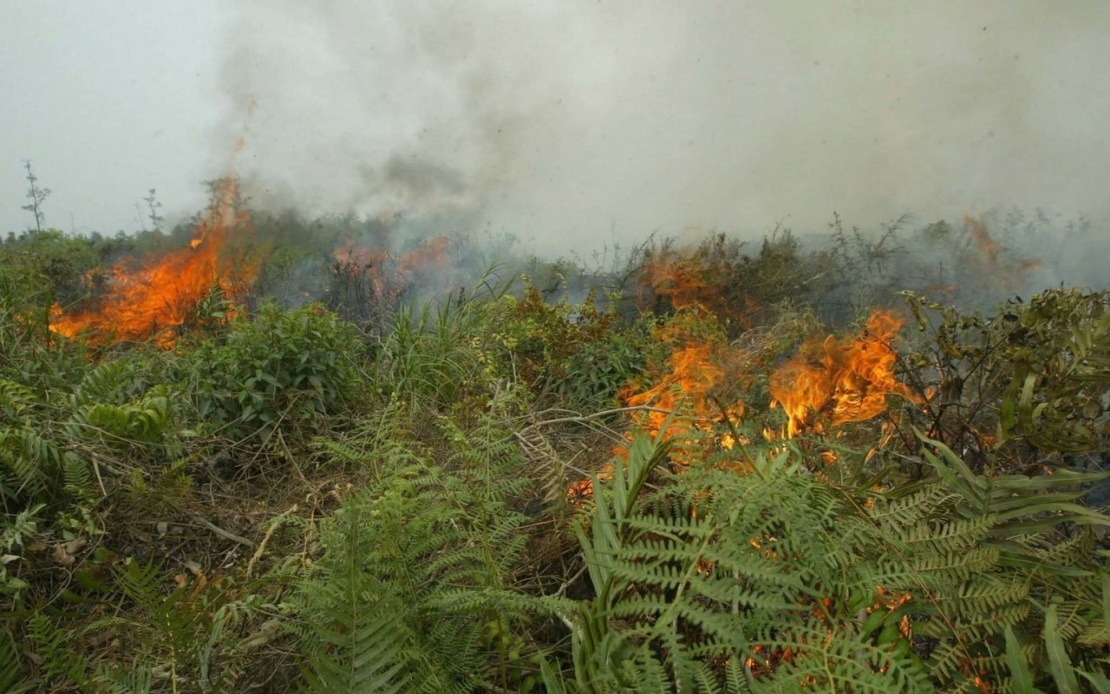
Indonesia is confronting an intensifying environmental crisis as forest and land fires spread rapidly across the Kalimantan region, with authorities reporting a dramatic escalation in the number of active fire hotspots. According to monitoring data released at the end of August, West Kalimantan has emerged as the most severely affected province, with hotspot numbers nearly doubling to 7,377 in just a single day—a jump of 3,553 spots from the previous count. The situation represents a significant deterioration in fire management across the region, signalling that Indonesia's fire season has entered a particularly volatile phase that threatens not only the nation's forest resources but also the health and well-being of millions of residents.
The data released by Berton Panjaitan, the Acting Head of Data, Information and Disaster Communication Centre at Indonesia's National Disaster Mitigation Agency (BNPB), reveals the multifaceted nature of the fire crisis across Kalimantan. Alongside the hotspot surge in West Kalimantan, the number of confirmed fire spots jumped to 104, representing an increase of 88 fires on the ground. The situation is compounded by visibility deterioration, with air quality in affected areas dropping below one kilometre—a hazardous level that severely impacts transportation, economic activity, and public safety. The other Kalimantan provinces present a more mixed picture: Central Kalimantan recorded a decline of 147 hotspots to reach 5,244, yet the number of active fire spots paradoxically increased by 16 to 72, suggesting that while the area of concern may have contracted, the intensity of fires requiring immediate suppression has actually intensified. South Kalimantan showed improvement with 405 fewer hotspots, declining to 504, though fire spots still rose by 33 to reach 55.
Across the Sumatran landmass, the fire distribution pattern demonstrates regional complexity that demands differentiated response strategies. South Sumatra experienced a troubling increase, with hotspots climbing by 209 to reach 1,013 locations—indicating a growing expansion of the fire-affected zone in this province. In contrast, the provinces of Riau and Jambi recorded declining hotspot numbers, offering some respite in what is otherwise a worsening scenario. Fire spot counts, which represent confirmed active fires requiring immediate intervention, decreased across all three Sumatran provinces, suggesting that while new areas are becoming fire-prone, existing fires may be coming under control through suppression efforts.
The humanitarian dimensions of the crisis have become increasingly apparent, with the smoke and air pollution directly impacting public health across an enormous population. Nearly 5.5 million people residing in fire-affected regions throughout Sumatra and Kalimantan face ongoing exposure to hazardous air quality and smoke inhalation. Deputy Health Minister Prof Dante Saksono Harbuwono highlighted that acute respiratory infection cases, medically classified as ISPA, have accumulated significantly over July and August, totalling approximately 13,500 cases. As of the latest reporting, 4,082 individuals remained actively suffering from ISPA, indicating that the health crisis extends beyond the immediate fire season. Notably, public health authorities have observed that the respiratory health impact from smoke pollution this year exceeds the severity experienced during the previous fire season, suggesting either more extensive fires or more concentrated populations in affected areas.
The Indonesian government's response encompasses both enforcement action against suspected fire causers and coordination with regional neighbours affected by transboundary haze. The Environment Ministry has identified 42 companies operating in fire-prone regions for potential legal action, after systematic cross-referencing of satellite hotspot data against official concession mapping systems. Environmental Law Enforcement Deputy Rizal Irawan explained that 19 of these companies are currently undergoing field verification, with the remainder scheduled for inspection in subsequent phases. The legal framework in Indonesia applies strict liability principles, meaning companies bear accountability regardless of whether fires were deliberately ignited or resulted from negligence, with sanctions potentially encompassing both administrative penalties and civil remedies.
Regional cooperation mechanisms have been activated to address the transboundary nature of the haze problem, which frequently affects neighbouring Malaysia and Singapore. At a ministerial-level meeting held in Bali last month, environment officials from Indonesia, Malaysia, and Singapore convened through ASEAN frameworks to coordinate responses to cross-border air pollution. These discussions reflect the reality that forest fires in Indonesian territories create public health emergencies extending far beyond national borders, impacting the region's economic productivity, tourism, and diplomatic relations. The involvement of ASEAN mechanisms underscores how environmental crises demand multilateral solutions rather than unilateral action.
Indonesia's prevention strategy relies significantly on community-based fire management structures, reflecting recognition that ground-level vigilance and rapid response capabilities remain essential for containing outbreaks. The government has established 95 Fire Care Community groups, locally designated as MPA (Masyarakat Peduli Api), comprising approximately 1,425 trained personnel distributed across six fire-prone provinces spanning both Sumatra and Kalimantan. An additional 35 community groups are planned for establishment during the remainder of the year, indicating a systematic expansion of this preventive infrastructure. These grassroots organizations serve as early warning systems and rapid-response units, capable of detecting fires in their nascent stages before they escalate into uncontrollable conflagrations.
Corporate accountability mechanisms have been gradually strengthened through mandatory preparedness requirements. Over the previous year, the Environment Ministry dispatched formal notices to 2,226 companies operating in fire-prone regions, requiring them to establish and maintain personnel and equipment dedicated to forest and land fire prevention and suppression. Compliance tracking indicates that approximately 80 percent of notified companies have confirmed their readiness status, though the remaining 20 percent had not yet responded to government requirements at the time of reporting. This variable compliance rate suggests that enforcement capacity and company resources remain inconsistently distributed across sectors and regions.
The escalating fire crisis carries profound implications for Southeast Asia's environmental stability and regional cooperation frameworks. For Malaysia, the surge in Indonesian hotspots—particularly in Kalimantan—directly threatens air quality in Sarawak and Peninsular Malaysia during peak transboundary haze seasons. The scale of fires currently documented suggests that regional air pollution episodes are likely inevitable unless Indonesian suppression efforts substantially accelerate. The health costs borne by Indonesian populations represent an economic burden that extends beyond healthcare systems, affecting workforce productivity and educational continuity. For Southeast Asia broadly, these recurring fire seasons underscore structural vulnerabilities in land management practices, agricultural expansion models, and corporate accountability mechanisms that continue to permit large-scale forest loss despite international environmental commitments and regional cooperation agreements.

