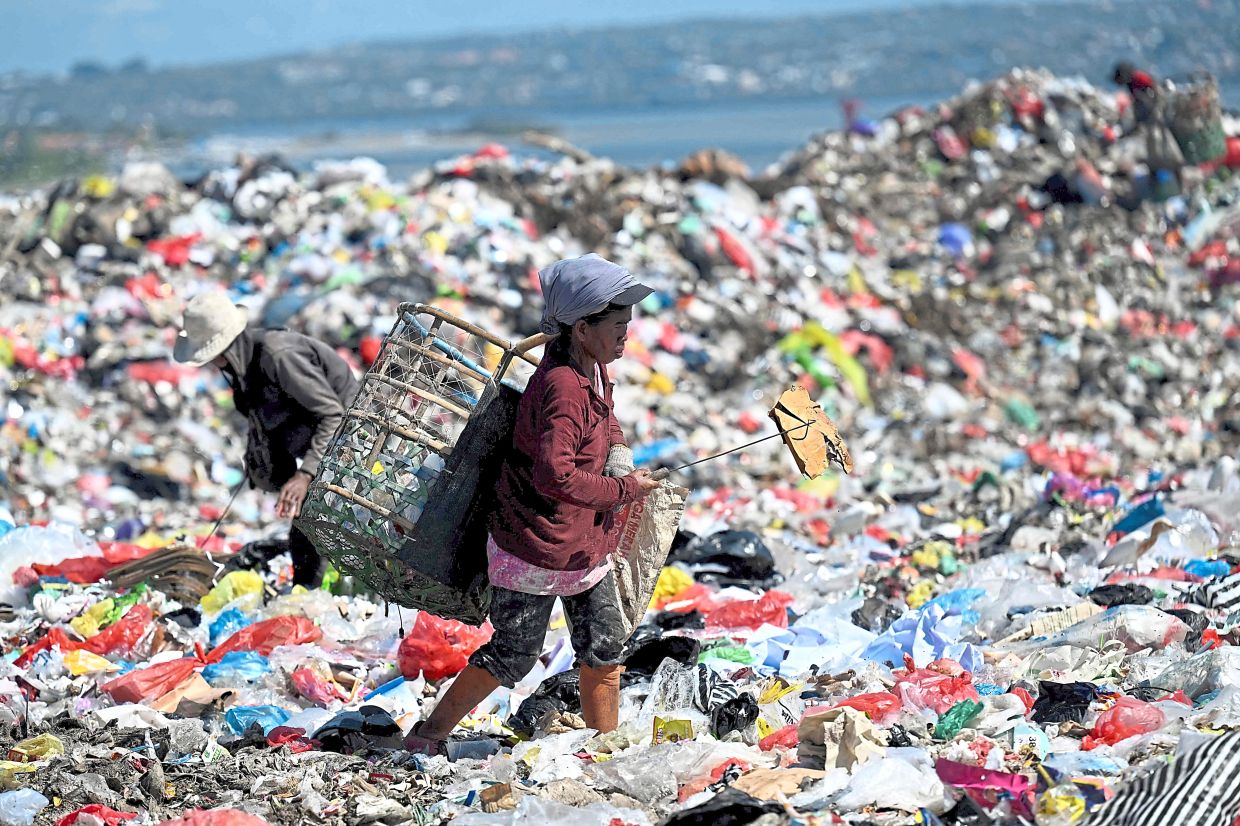
Indonesia has taken a significant step toward tackling its mounting waste crisis by inaugurating the nation's first waste-to-energy facility in Bali. The groundbreaking ceremony at Pedungan Village in South Denpasar, held on Wednesday, signals the beginning of a broader governmental push to transform how the Southeast Asian archipelago manages its enormous daily waste stream. Danantara Investment Management, through its chief executive officer Rosan Roeslani, and project developer Daya Energi Bersih Nusantara jointly launched the initiative, which represents a critical infrastructure project designed to serve as a template for scaling waste management solutions across Indonesia's sprawling island nation.
The timing of this project reflects mounting pressure on Indonesia's waste management systems. With over 140,000 tonnes of waste generated daily across the country, landfills have become increasingly overburdened, particularly in densely populated regions and tourist destinations like Bali. The accumulation of waste in traditional disposal sites poses significant environmental hazards, from groundwater contamination to methane emissions that accelerate climate change. President Prabowo Subianto has positioned waste management as a priority development issue, framing it as a collective responsibility that demands immediate action to prevent environmental inheritance problems for future generations. This framing indicates that waste management reform features prominently in the administration's sustainability agenda alongside economic growth priorities.
The Bali facility will employ moving grate incinerator technology, a proven method deployed extensively in waste-to-energy installations across Europe, North America, and increasingly in Asia. This technological choice reflects Indonesia's commitment to adopting international best practices rather than relying on outdated disposal methods. The system is engineered to meet the stringent requirements of the European Industrial Emissions Directive, a comprehensive environmental standard that addresses air quality, resource efficiency, and waste reduction. By adhering to these European benchmarks, Indonesia signals its intention to operate the facility at standards comparable to developed economies, which should help counter environmental concerns from communities near the plant and strengthen investor confidence in the sector.
Environmental performance projections from the project developers suggest that the facility could reduce emissions by up to 80 per cent per tonne of waste compared to conventional open dumping at landfills. This represents a substantial environmental dividend, as landfill-based disposal generates significant methane emissions and leachate contamination. By converting waste into a resource for electricity generation, the project transforms what has historically been viewed as a waste management cost into a productive asset. The emission reduction figures, if achieved, would provide tangible climate benefits that align with Indonesia's international climate commitments and domestic environmental protection goals.
The employment dimension of the project extends beyond environmental concerns into job creation and economic development. Danantara projects that the facility will generate up to 1,200 green jobs during both the construction phase and ongoing operational periods. For Bali, which faces economic pressures beyond tourism revenue and wrestles with seasonal employment fluctuations, this employment opportunity could provide stable, skilled positions in the emerging clean energy sector. The creation of green jobs in waste management and energy production helps Indonesia build a workforce capable of supporting the broader clean energy transition that development planners anticipate over the coming decades.
The Power Purchase Agreement signed between state-owned electricity company PLN and the project developer represents a crucial commercial foundation for the plant's viability. PLN's commitment to purchase electricity generated by the facility provides long-term revenue certainty, which is essential for attracting investment in capital-intensive infrastructure projects. This agreement demonstrates coordinated policy alignment between the government's environmental objectives and its utility provider, ensuring that renewable electricity from waste conversion becomes part of Indonesia's grid supply. For PLN, incorporating waste-to-energy generation into its portfolio helps diversify energy sources beyond coal and hydroelectric power, which have dominated Indonesia's electricity sector historically.
Indonesia's waste challenge differs markedly from those faced by developed economies due to rapid urbanisation, high population density in certain regions, and limited historical investment in waste management infrastructure. The country's daily waste generation of 140,000 tonnes will likely increase as incomes rise and consumption expands, meaning that the waste crisis represents not merely a current problem but a mounting future challenge. Landfill capacity constraints in Java, Bali, and other densely populated areas have already prompted searches for alternative disposal methods, making waste-to-energy investment increasingly urgent from a practical standpoint. This project offers a replicable model that other regions within Indonesia could adapt according to local conditions and waste composition.
The Bali project signals Indonesia's willingness to embrace capital-intensive environmental solutions, marking a departure from the traditional approach of exporting or minimising waste management investments. For Malaysian observers, the project demonstrates both the scale of waste management challenges confronting the broader Southeast Asian region and the policy momentum building around clean energy solutions. Malaysia faces similar pressures regarding waste generation and landfill saturation, particularly in the Klang Valley and other urban centres, making the Indonesian experience potentially instructive for domestic policy makers considering comparable investments.
The involvement of Danantara Investment Management, Indonesia's sovereign wealth fund, indicates high-level governmental confidence in the project's strategic importance. Sovereign wealth funds typically deploy capital in projects offering both financial returns and national development benefits, suggesting that this waste-to-energy initiative has been vetted as both economically viable and strategically significant. The use of government investment vehicles rather than relying entirely on private capital demonstrates commitment to establishing waste-to-energy as a core national infrastructure priority rather than treating it as a marginal environmental improvement.
Looking forward, the success of this Bali facility will likely determine investor appetite for subsequent waste-to-energy projects across Indonesia's archipelago. If the plant achieves its projected emissions reductions, employment targets, and electricity generation goals, it could catalyse a wave of similar projects in major population centres. Conversely, operational challenges or cost overruns could dampen enthusiasm for this capital-intensive approach to waste management. The project therefore represents both a test case for waste-to-energy viability in the Indonesian context and a potential foundation for transforming the country's approach to managing its vast daily waste streams while simultaneously expanding cleaner electricity supply.

