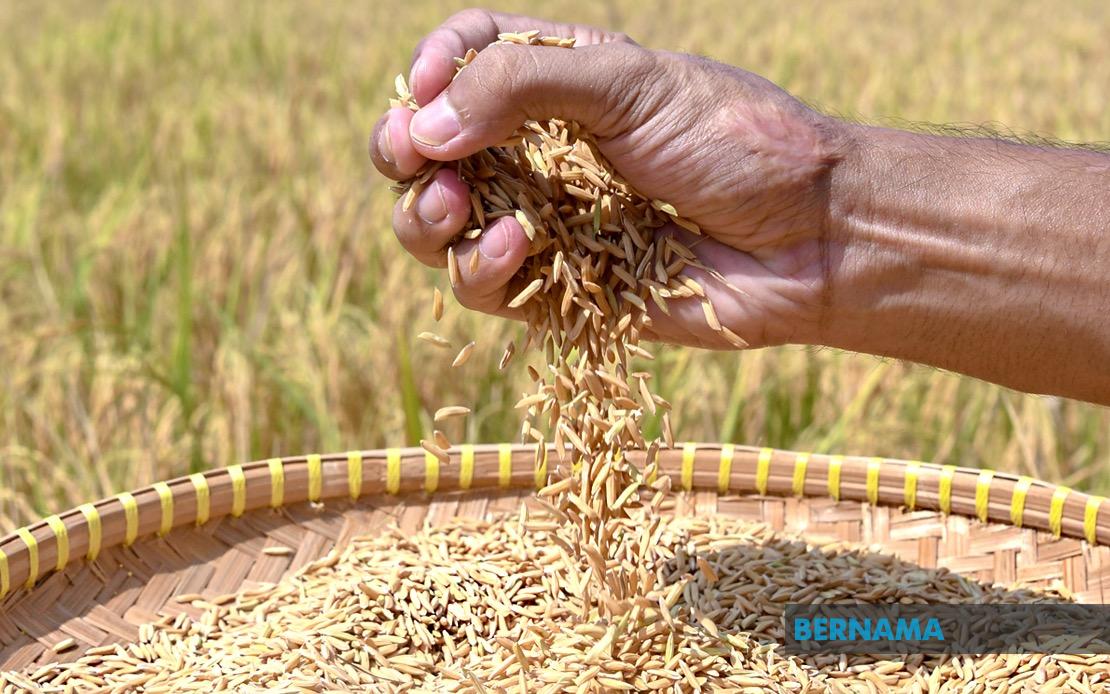
Indonesia's state-owned logistics company Bulog is maintaining momentum in trade discussions with Malaysia and Singapore aimed at establishing significant rice export arrangements, according to statements from the agency's leadership. The negotiations represent a key element of Jakarta's strategy to leverage its agricultural output while bolstering ties with neighbouring Southeast Asian economies. Bulog president director Ahmad Rizal Ramdhani indicated that the organisation is in continuous contact with both countries to advance the commercial arrangements, which could substantially expand Indonesia's rice trade presence in the region.
The proposed transaction with Malaysia involves an initial shipment of 200,000 tonnes, a volume that would constitute a meaningful export commitment. However, finalising this arrangement has proven more complex than initially anticipated, with pricing mechanisms emerging as a central point of discussion between the negotiating parties. Ramdhani explained that Bulog had not yet dispatched a formal delegation to Malaysia because the country had not signalled its readiness to receive Indonesian negotiators. Despite this timing constraint, the agency views the situation as temporary and remains focused on securing Malaysian acceptance to proceed with in-person discussions that could unlock agreement on specific price points.
The Singapore component of these negotiations appears to be proceeding on a separate trajectory. In late June, Indonesia's Agriculture Minister Andi Amran Sulaiman held bilateral talks with Singapore's Sustainability and the Environment Minister Grace Fu in Jakarta, discussions that set the foundation for a smaller but strategically important export commitment. Following those ministerial exchanges, Indonesian authorities have identified a proposed shipment of 10,000 tonnes destined for the city-state, representing a more modest though still commercially relevant transaction compared to the Malaysian proposal.
The timing of these negotiations reflects broader shifts in Indonesia's agricultural and trade policies under the administration of President Prabowo Subianto. Rather than simply seeking to maximise export volumes, the president has laid down explicit conditions that any rice export agreement must simultaneously protect the interests of Indonesian farmers while advancing the nation's wider economic objectives. This dual mandate suggests that Jakarta views these regional sales not merely as commercial transactions but as instruments of strategic economic policy that must align with domestic agricultural support and long-term national development priorities.
From a Southeast Asian perspective, these negotiations carry considerable significance. Malaysia has long struggled with rice self-sufficiency and has historically maintained strategic grain reserves to buffer against supply disruptions. The prospect of securing 200,000 tonnes from neighbouring Indonesia could potentially ease Malaysia's food security concerns while providing Kuala Lumpur with a reliable regional supplier. Singapore, meanwhile, has virtually no domestic rice production capacity and depends entirely on imports, making Indonesian rice supplies part of its essential food security infrastructure.
The emphasis on pricing negotiations reflects the delicate balancing act that Indonesia must perform. International rice prices have exhibited considerable volatility in recent years, influenced by global supply concerns, climate variability affecting major producing nations, and fluctuating demand patterns. Setting prices that satisfy Indonesian farmers while remaining competitive enough to appeal to Malaysian and Singaporean buyers requires careful calibration. Ramdhani's comments suggest that reaching consensus on these commercial terms has proven more demanding than initial optimism about the deals might have indicated.
The sequencing of these talks also illuminates the hierarchy of Indonesia's regional engagement. The Malaysia negotiations appear to command particular attention given the scale of the proposed shipment, whereas the Singapore arrangement, though smaller, benefits from the diplomatic momentum generated by ministerial-level contact. This differentiated approach suggests that Jakarta is simultaneously pursuing multiple pathways to expand agricultural exports while tailoring specific arrangements to the distinct characteristics and requirements of individual trading partners.
For Malaysian readers, successful conclusion of these negotiations could have meaningful implications for domestic rice prices and supply chain stability. Indonesia's ability to supply large volumes of rice could introduce competitive pressure that benefits Malaysian consumers, though the actual impact would depend heavily on pricing and on broader global rice market dynamics. The arrangement would also deepen agricultural trade interdependence between the two countries, creating mutual economic incentives for sustained cooperation.
The presidential directive that these agreements protect Indonesian farmers underscores a recognition that rice production in Indonesia remains economically and socially significant despite the country's economic diversification. Indonesia's agricultural sector continues to employ millions of people and remains politically sensitive. Any export arrangements that squeeze domestic farmer incomes or create supply shortages for the local market could generate political backlash, something the administration is clearly intent on avoiding.
As Bulog awaits Malaysian readiness to host the delegations, the momentum established through ministerial channels and high-level political commitments appears strong enough to sustain the process. The negotiations represent the kind of practical, mutually beneficial regional economic cooperation that could establish enduring trading relationships. For Malaysia and Singapore, securing reliable rice supplies from a geographically proximate source offers genuine strategic advantages; for Indonesia, these exports represent an opportunity to generate agricultural export revenues while maintaining domestic farmer protection. The coming weeks will likely reveal whether the current diplomatic opening translates into concrete commercial agreements that reshape rice trade patterns across Southeast Asia.

