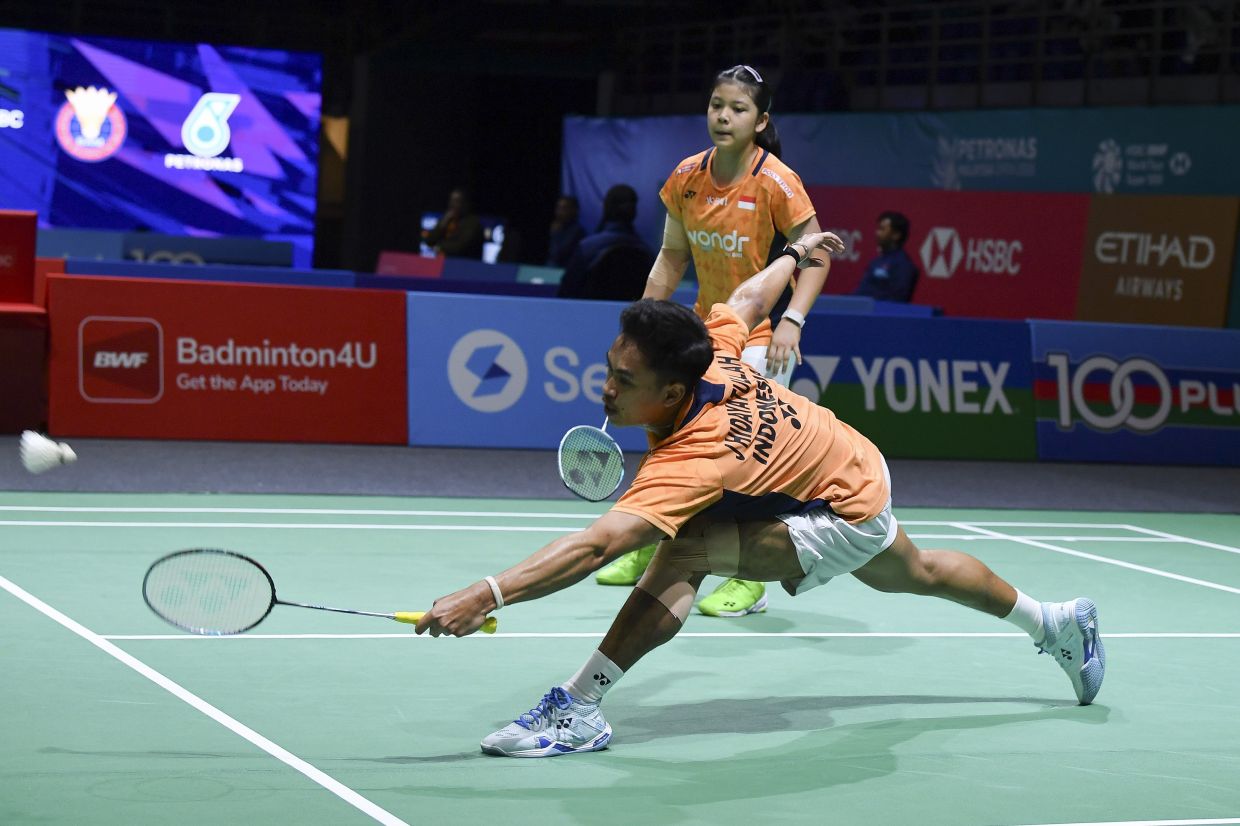
Two Indonesian mixed doubles pairs have withdrawn from the World Championships as the Badminton World Federation pursues an investigation into alleged match-fixing involving players from the country. The withdrawals of Jafar Hidayatullah-Felisha Pasaribu, ranked 13th globally, and Adnan Maulana-Indah Cahya Sari Jamil have intensified scrutiny of Indonesia's badminton programme at a critical moment for the sport's integrity mechanisms.
The Indonesian Badminton Association (PBSI) officially announced the squad adjustments through secretary-general Ricky Soebagdja, framing the decision as part of routine roster management for the World Championships. However, the timing and circumstances surrounding both withdrawals have generated considerable speculation about the true reasons for the departures, particularly given the backdrop of ongoing disciplinary proceedings at the international level.
The BWF's independent judicial process targets what officials describe as integrity breaches among several Indonesian competitors, though the federation has declined to specify which players or incidents fall under scrutiny. This measured approach reflects standard protocol in sporting investigations where confidentiality protects due process, yet it leaves considerable ambiguity for observers seeking clarity about the scope and severity of the alleged violations. The absence of detailed disclosures has become a hallmark of modern badminton governance, designed to safeguard the presumption of innocence while investigations unfold.
Adnan-Indah Cahya Sari Jamil withdrew from the championship competition on July 13, establishing the initial precedent for the pair's departure. Jafar-Felisha followed suit on July 29, extending what now appears to be a coordinated response to unfolding circumstances. While PBSI has not explicitly linked either withdrawal to the match-fixing investigation, the proximate timing suggests a correlation that officials have chosen not to address directly. This administrative restraint, while legally prudent, fuels public curiosity about whether these athletes faced suspension recommendations or voluntarily stepped aside to facilitate investigations.
The PBSI's statement emphasised compliance with international regulations and procedures, positioning the organisation as a cooperative partner in the BWF's enforcement framework. Soebagdja underscored the association's commitment to safeguarding badminton's competitive integrity, a rhetorical move that distances the national body from any perception of complicity or institutional negligence. By framing the investigation as an independent process deserving full respect, PBSI signals alignment with global anti-corruption standards, though it simultaneously dodges accountability questions about how match-fixing allegations reached such an advanced investigative stage.
The strategic implications for Indonesia's World Championships campaign remain significant despite the paired withdrawals. The national association has promoted Rehan Kusharjanto-Gloria Widjaja from the reserve roster while maintaining Amri Syahnawi-Nita Violina Marwah as its primary mixed doubles entry. This contingency planning preserves Indonesia's competitive position in a discipline historically dominated by Asian nations, demonstrating that administrative management of the crisis poses minimal short-term competitive disadvantage. However, the reputational consequences for Indonesian badminton extend beyond tournament results, affecting the sport's commercial partnerships and international standing.
Match-fixing investigations in badminton have become increasingly visible in recent years, reflecting both heightened detection capacity and the sport's vulnerability to corruption given its relatively modest global television audience and betting markets concentrated in Asia. Indonesia, as a traditional badminton powerhouse producing world-class players across multiple disciplines, faces particular scrutiny because of the financial stakes involved in international competition and the historical patterns of integrity challenges that have periodically surfaced in the sport. The current investigation thus represents not an isolated aberration but a continuation of systemic pressures that reshape how national federations manage athlete conduct.
The BWF's independent hearing panel process introduces external oversight that theoretically protects the investigation from political or financial interference at the national level. This structural separation has become essential in global sports governance, where national federations historically wielded unilateral disciplinary authority that sometimes prioritised institutional reputation over genuine accountability. By vesting decision-making authority in an independent body, the federation demonstrates institutional maturity, though effectiveness ultimately depends on the credibility and resources available to investigators and panellists.
For Malaysian and Southeast Asian badminton communities, the Indonesian situation carries sobering implications about the sport's governance challenges across the region. Badminton's popularity in Malaysia, Singapore, and Thailand creates analogous pressures and opportunities for corrupt practices, suggesting that integrity frameworks require continuous reinforcement and investment. The prominence of Indonesian players in global competition means that reputational damage extends across the region's badminton ecosystem, potentially affecting sponsorship patterns, media interest, and the sport's prestige relative to football and other regional pursuits.
The PBSI's appeal for restraint and media forbearance until the BWF issues its formal determination represents a standard call for procedural patience, yet it reflects the tension between transparency and due process that characterises modern sports administration. Without interim disclosures, public discourse fills information vacuums with speculation and rumour, potentially prejudicing eventual determinations and affecting player livelihoods long before formal conclusions emerge. Indonesia's experience underscores how integrity investigations, however necessary, generate collateral consequences that extend beyond the specific allegations under examination.
The replacement pairs stepping into Indonesia's World Championships lineup now carry additional pressure as they compete in an environment shaped by institutional controversy. Kusharjanto-Widjaja's promotion from reserve status transforms what might have been a routine squad rotation into a symbolic reassertion of clean competition and institutional credibility. These athletes become de facto ambassadors for Indonesian badminton's reform commitments, bearing expectations that transcend typical performance metrics and encompassing broader institutional legitimacy questions.
Moving forward, the BWF's hearing panel conclusions will determine whether disciplinary measures follow, potentially establishing precedents for match-fixing accountability in badminton. Indonesia's response to eventual findings will similarly influence regional approaches to player conduct standards and federation responsibilities. The current period of procedural uncertainty, while uncomfortable for all stakeholders, ultimately tests whether international sporting governance mechanisms can deliver outcomes perceived as fair, proportionate, and effective in preserving badminton's competitive integrity across Asia and globally.

