Jakarta's Soekarno-Hatta International Airport, Indonesia's primary gateway for international travel, is confronting a persistent drug trafficking challenge that underscores the vulnerability of major Southeast Asian aviation hubs to organised smuggling networks. The facility has recorded more than 300 drug-related cases in just seven months of the current year, a striking figure that translates to an average of at least two interceptions daily. The cases involve suspects from numerous countries, revealing how criminal organisations exploit the region's interconnected flight networks to move narcotics across borders with relative sophistication.
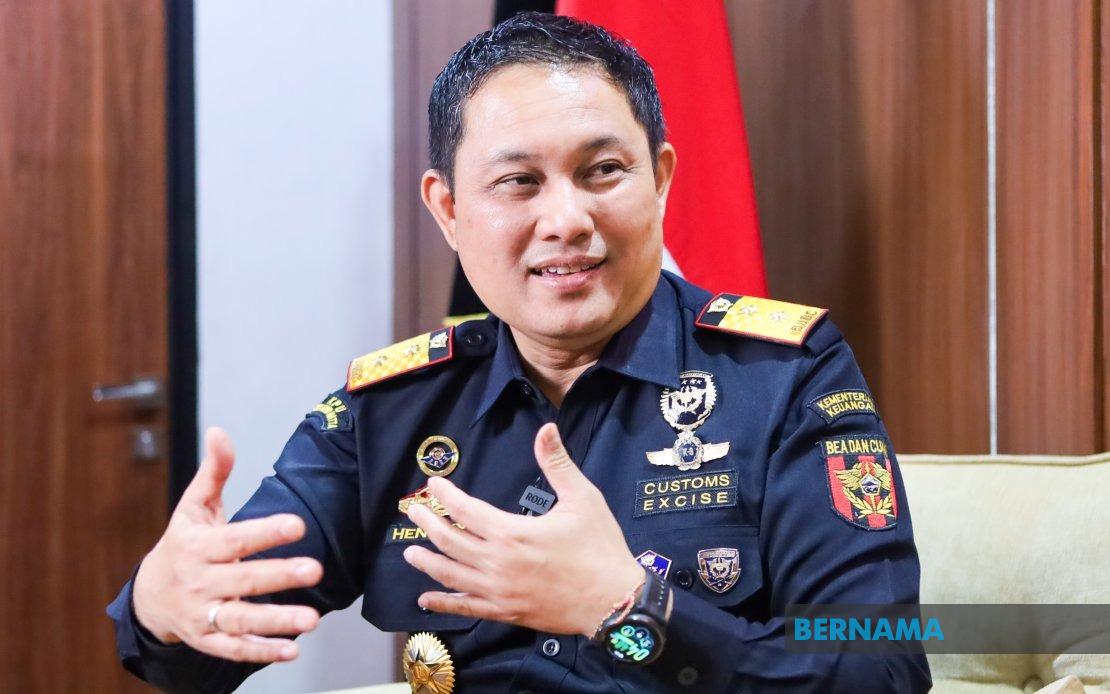
Hengky Tomuan Parlindungan Aritonang, head of Soekarno-Hatta's Main Customs and Excise Office, provided rare insight into the operational realities facing enforcement personnel at one of Asia's busiest travel hubs. The airport processes between 25,000 and 30,000 international passengers on a daily basis, creating enormous logistical challenges for screening operations. Despite these constraints, customs officers have maintained an intensive interdiction programme that has yielded substantial seizures and arrests throughout the year. The volume of cases reflects both the scale of transit traffic and the determined efforts of enforcement teams working across multiple terminals and cargo facilities.
The trafficking patterns documented at Soekarno-Hatta reveal a sophisticated criminal ecosystem that transcends simple geographical causation. While many flights originating from Malaysia or Thailand have yielded drug seizures, the nationality of arrested couriers frequently bears no relationship to the flight's origin point. Aritonang explained that syndicates deliberately sever these logical connections, recruiting operatives from diverse backgrounds and deploying them along routes designed to obscure supply chains. Indonesians working or studying abroad have been particularly targeted for recruitment, approached by criminal networks who exploit their legitimate return journeys home as cover for contraband movement. This pattern demonstrates how modern trafficking organisations leverage labour mobility across Southeast Asia as a strategic advantage.
The geographic origins of intercepted narcotics paint a complex regional picture. Thailand, Spain, Malaysia and Singapore emerged as primary source locations for drugs detected in smuggling attempts at the airport. Suspects apprehended this year arrived from countries including Spain, France, Malaysia and China, illustrating the global dimensions of networks that converge at major Asian hubs. Aritonang stressed that major aviation centres throughout Malaysia, Thailand and Hong Kong serve as critical transit points where shipments change hands, aircraft and documentation. This transshipment function transforms these airports from simple origin-destination facilities into nodes within international trafficking networks that extend far beyond Southeast Asia into European and Chinese supply systems.
The substances involved in these smuggling cases reflect evolving trends in drug trafficking across the region. Psychotropic compounds, etomidate and methamphetamine constitute the most frequently attempted contraband, while methamphetamine and MDMA account for the largest seizures when measured by weight. The prominence of synthetic drugs over traditional plant-based narcotics indicates how trafficking networks have adapted to evolving enforcement priorities and changing consumer demand. Customs officials have also identified air cargo as an alternative smuggling pathway, with investigators tracing shipments back through supply chains to identify both intended recipients and original senders. This diversification of trafficking methods—spanning body-carried concealment, luggage compartments and commercial cargo—presents ongoing challenges for enforcement personnel who must balance thoroughness with the operational demands of processing tens of thousands of passengers daily.
Recent cases involving Malaysian nationals have generated considerable attention both in Indonesia and across the region, raising concerns about whether certain nationalities face enhanced scrutiny at Indonesian airports. A Malaysian pilot was arrested following the seizure of approximately 25 kilogrammes of MDMA at Soekarno-Hatta, drawing widespread coverage due to the unusual profile of someone in such a trusted profession allegedly participating in drug trafficking. Additional arrests followed at other Indonesian airports, including the discovery of nearly one kilogramme of methamphetamine and over 1,000 ecstasy pills on a Malaysian national at Juanda International Airport near Surabaya. Three Malaysian women were detained at Soekarno-Hatta after authorities discovered suspected MDMA, cocaine and ketamine in their possession, creating a brief cluster of high-profile cases that inevitably raised questions about targeting practices.
Aritonang moved to address these concerns directly, providing reassurance that Malaysian travellers would not face discriminatory treatment based on recent smuggling cases. He characterised the airport's screening protocols as rigorously professional and data-driven, operating without reference to nationality, ethnicity or physical appearance. The customs chief explained that officers make interdiction decisions based on physical evidence derived from X-ray imaging, intelligence assessments and risk profiling systems that treat all passengers uniformly. When suspicious items appear on screening equipment, officers investigate regardless of the traveller's background, applying consistent standards that neither favour nor disadvantage particular national groups. This commitment to non-discriminatory enforcement reflects both operational best practice and the diplomatic sensitivity surrounding drug enforcement in a region where international cooperation depends on mutual respect and transparent procedures.
The arrest of the Malaysian pilot merited particular discussion given its exceptional nature within enforcement records. Aritonang noted that the case attracted intensive media attention in Indonesia not fundamentally because the suspect held Malaysian nationality, but rather because his professional status as a licenced pilot made his alleged involvement in drug trafficking extraordinarily unusual. Pilots undergo stringent background investigations, medical examinations, psychological assessments and regulatory scrutiny before obtaining their licences and maintaining operational status. The notion that criminal syndicates would recruit someone with such extensive oversight and professional accountability contradicts conventional assumptions about vulnerability to criminal pressure. Aritonang observed that syndicates deliberately target individuals and methods that enforcement agencies consider unlikely, reasoning that what officials perceive as improbable remains beneath the threshold of intensive investigation. In this regard, the pilot's profession represented an attractive operational target precisely because his legitimate access to airport facilities and aircraft would not normally trigger suspicion.
Historical precedent for pilot involvement in drug trafficking remains remarkably limited within Indonesia's enforcement experience. Aritonang could identify only one previous case involving a pilot engaged in narcotics smuggling, an Indonesian national apprehended approximately two decades earlier. This rarity underscores how the recent Malaysian pilot case represents a genuine anomaly rather than evidence of systematic vulnerabilities within the aviation sector. The extraordinarily demanding nature of pilot licensing, combined with the substantial professional and personal consequences of criminal conviction, creates powerful deterrents to involvement in trafficking. The fact that a syndicate apparently overcame these obstacles indicates either exceptional circumstances in the particular case or a troubling willingness among criminal organisations to approach individuals whose involvement would previously have been deemed virtually impossible.
The broader implications of Soekarno-Hatta's drug seizure record extend beyond airport operations into regional security and public health considerations. The facility's location as Southeast Asia's premier international gateway means that trafficking patterns documented there reflect continental trends and the efficacy of enforcement measures across multiple jurisdictions. The concentration of seizures at this single airport suggests that smuggling attempts continue at substantial volume despite known interdiction risks, implying either confidence in evasion capabilities or desperation driven by supply pressures and pricing dynamics. For Malaysian authorities, the arrest of citizens at Indonesian airports presents opportunities to strengthen bilateral cooperation on intelligence sharing, suspect profiling and supply chain disruption. The professional approach described by Aritonang—focusing on evidence rather than nationality—provides a model for regional law enforcement collaboration that can enhance security while maintaining the diplomatic courtesy essential for seamless cross-border operations.
Looking forward, the sustained high volume of seizures at Soekarno-Hatta will likely drive continued investment in screening technology, personnel training and intelligence-sharing mechanisms between Indonesian customs and regional partners. The airport's role as a crucial transit node means that addressing trafficking at this facility generates benefits throughout Southeast Asia by interrupting supply chains before contraband reaches consuming markets. Malaysian authorities have particular interest in understanding how their citizens become targeted for recruitment by international syndicates, enabling preventative messaging directed at vulnerable populations overseas. The transparency demonstrated by Aritonang in discussing enforcement methodologies and case patterns reflects confidence in the professionalism of airport operations while acknowledging that trafficking networks remain sophisticated, adaptable adversaries requiring constant operational refinement and international coordination to counter effectively.

