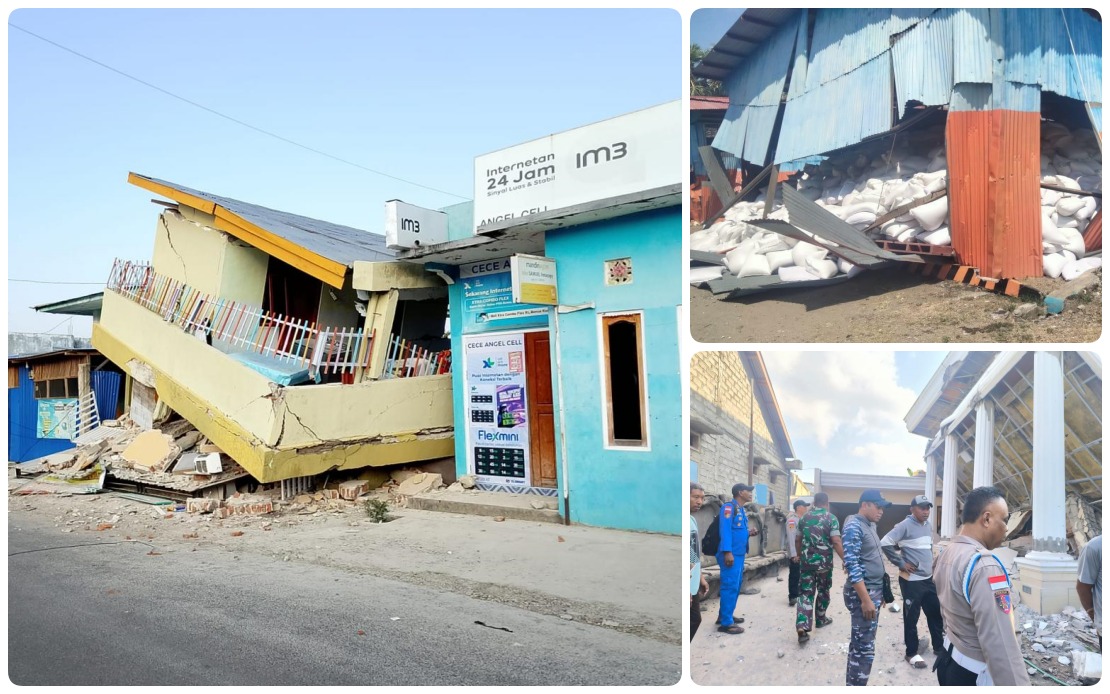
Indonesia's Flores Island continues to reel from a powerful 7.7 magnitude earthquake that struck in the early hours of Sunday morning, with disaster management officials reporting an alarming cascade of nearly 1,000 aftershocks in the immediate aftermath. The death toll has climbed to at least 53, while more than 9,000 residents remain sheltered at evacuation centres, unwilling to return to their homes despite assurances from authorities that search and rescue operations have accounted for the missing.
The earthquake struck at 4:58 am local time with its epicentre located approximately 30 kilometres offshore from Mbay in Nagekeo district, at a shallow depth of 15 kilometres beneath the seafloor. This shallow positioning amplified the shaking experienced across the region, prompting immediate tsunami warnings from the Meteorology, Climatology and Geophysics Agency (BMKG). Those warnings were lifted just hours later at 7:31 am after monitoring stations detected no significant rise in sea levels that would indicate a dangerous wave.
Deputy Head for Prevention at the National Disaster Management Agency (BNPB), Abdul Muhari, disclosed that the BMKG had documented 995 aftershocks as of mid-afternoon Sunday, though most remained imperceptible to residents. This extraordinary number of seismic events reflects the tremendous energy released by the initial quake and the fractured geological state of the region in its aftermath. The relentless tremors have kept residents in a state of heightened anxiety, preventing them from attempting to salvage belongings or assess structural damage to their homes.
The reluctance of evacuees to return to their communities stems from multiple interconnected factors that extend beyond the immediate physical danger. Many residents harbour vivid memories of the catastrophic 1992 Flores earthquake and subsequent tsunami, which left an indelible mark on collective consciousness. That historical trauma, combined with the visible destruction of homes in this latest event and the continuing ground instability signalled by the frequent aftershocks, has created a powerful psychological barrier to re-entry. Authorities acknowledge that rebuilding public confidence will require sustained effort and transparent communication about safety conditions.
Emergency response operations have shifted into their second operational day with a clear focus on immediate humanitarian needs and damage assessment. The BNPB reported 135 people injured across the seven affected regencies and cities, with no missing persons currently listed by the National Search and Rescue Agency (Basarnas). This absence of unaccounted individuals suggests that the initial search phases have been comprehensive, though casualty figures continue to be updated as verification processes proceed and medical assessments continue.
Infrastructure restoration has begun in earnest, with particular attention to critical transportation and energy networks. A landslide that had rendered the Reok road in Manggarai impassable has been cleared sufficiently to allow fuel tanker trucks through, a crucial development given the potential for fuel shortages to compound the humanitarian crisis. Electricity supply has been partially restored in several blackout-affected areas, though widespread power distribution challenges remain. These logistical victories represent essential groundwork for sustaining the larger relief operation.
The BNPB has established a sophisticated response framework to coordinate the multi-layered disaster management effort. Response posts have been activated in both Labuan Bajo and Maumere, the two major urban centres nearest the earthquake's impact zone, while logistics hubs operate from Jakarta, Labuan Bajo and Maumere to streamline the movement of relief supplies, equipment and personnel. This three-node distribution network reflects lessons learned from previous disasters, allowing for both centralised coordination and rapid deployment to affected communities. Aircraft and helicopters remain on standby, available for emergency airlift operations should accessibility challenges worsen.
For Malaysia and the broader Southeast Asian region, this disaster underscores the persistent seismic vulnerability of the eastern Indonesian archipelago and the broader Sunda Arc geological system. Flores sits along one of the world's most active subduction zones, where the Indo-Australian Plate descends beneath the Eurasian Plate, generating powerful earthquakes with depressing regularity. The frequency and magnitude of aftershocks in this latest event mirror patterns seen in previous major Flores earthquakes, suggesting that the region faces an extended period of instability.
The regional implications extend beyond immediate disaster response to questions of disaster preparedness and cross-border cooperation. Southeast Asian nations share similar geological risks and similar vulnerabilities in terms of building standards, evacuation infrastructure and early warning systems. The performance of BMKG's tsunami warning system—which successfully identified and lifted the alert within hours—demonstrates the value of investment in scientific monitoring capacity, a lesson relevant across the region where many communities remain underserved by such systems. Meanwhile, the substantial size of the evacuation population highlights ongoing challenges in creating permanent, dignified shelter solutions for displaced persons in the region.
The recovery trajectory will depend substantially on the rate at which aftershock activity subsides and structural engineers can certify building safety. Historical precedent suggests that aftershock sequences from magnitude 7+ earthquakes can extend for weeks or months, prolonging the displacement of residents. The Indonesian government faces the dual challenge of managing immediate humanitarian needs while preparing for what could be an extended recovery phase requiring sustained international attention and resources.

