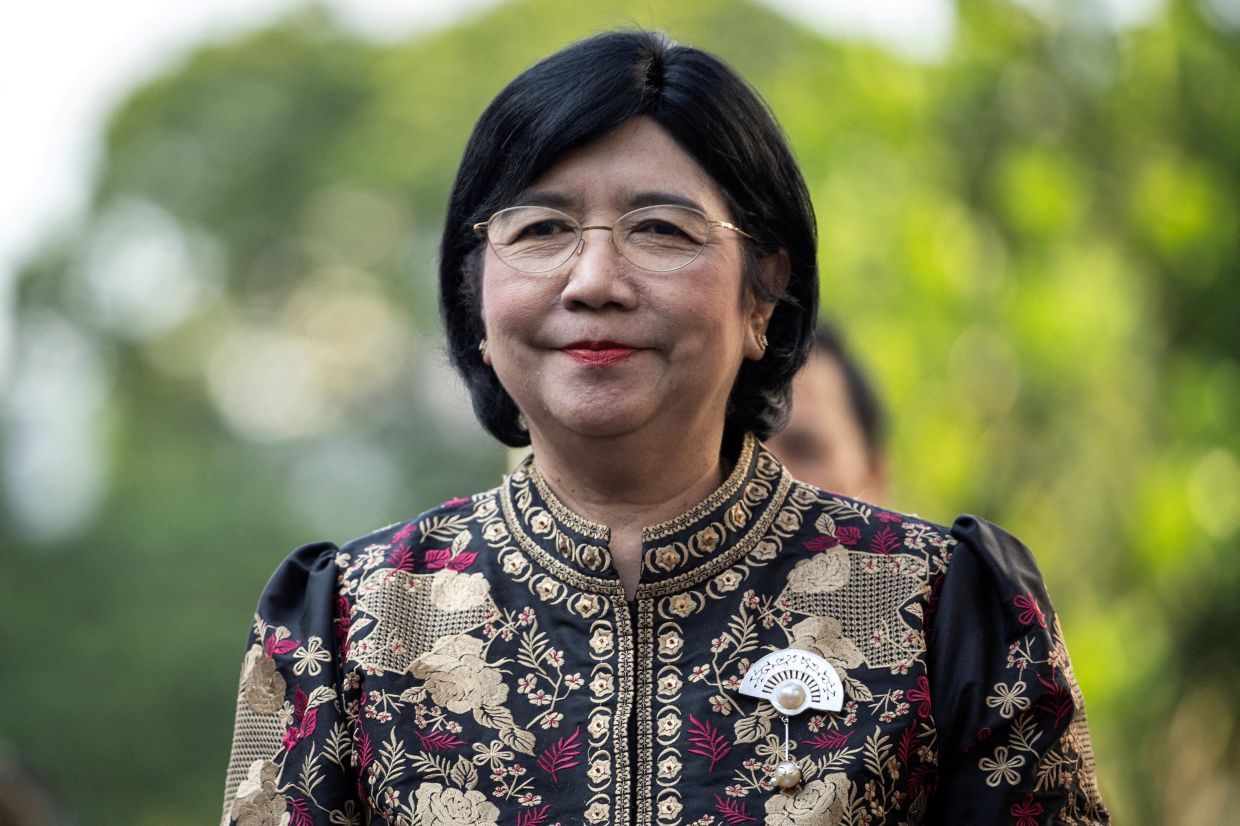
Indonesia's President Prabowo Subianto has put forward Destry Damayanti as the sole contender to lead Bank Indonesia, the nation's central bank, according to an announcement from the presidential office on Monday. The decision comes as financial markets have intensely scrutinised the succession timeline following the unexpected departure of incumbent governor Perry Warjiyo last month, who cited personal circumstances for his exit. Destry's nomination appears to have already provided some market reassurance, with the rupiah strengthening to its firmest position against the United States dollar since mid-June following the announcement.
Destry, who has held the position of senior deputy governor at Bank Indonesia since 2019, has been managing the institution in a caretaker capacity since Warjiyo stepped down. Intelligence from market observers had already pointed to Destry as the leading candidate to assume the governorship permanently, given her extensive tenure in the deputy role and her knowledge of the central bank's complex operations. Her elevation represents continuity at a moment when foreign investors are reassessing their commitment to Indonesian assets and questioning the stability of key policy institutions.
The parliamentary process now moves into its formal approval phase, with lawmakers having thirty days to either endorse or block the nomination. Given that Prabowo's coalition commands a commanding majority in parliament, the procedural hurdles appear minimal. Historically, the legislature has been reluctant to reject a sitting president's choice for this sensitive post, with the last rejection occurring in 2008. This pattern suggests Destry's confirmation is highly probable, barring any unforeseen revelations about her background or qualifications.
The timing of this succession process matters significantly for Indonesia's economic trajectory and regional standing. The G20 member nation has faced mounting headwinds in recent months as global investors have grown increasingly cautious about exposure to emerging markets. Concerns about fiscal discipline, questions surrounding the autonomy of monetary policy decisions, governance lapses in stock market operations, and anxieties about geopolitical tensions have all contributed to a pullback in foreign investment. Warjiyo's departure added another layer of uncertainty to an already fragile investor sentiment.
One of the central tensions facing the incoming leadership involves balancing multiple, sometimes competing mandates. The Prabowo administration has signalled its ambition to accelerate economic growth to 8 percent annually, up from the current pace of approximately 5 percent. This goal has created implicit pressure on Bank Indonesia to prioritise growth-supportive policies, potentially at odds with its traditional responsibilities for maintaining price stability and safeguarding currency strength. Under Warjiyo's tenure, the institution navigated this challenge by raising its key interest rate by a full percentage point during the current year while simultaneously deploying various instruments to support the rupiah and attract foreign capital.
The central bank's recent policy toolkit has included offering enhanced returns on rupiah-denominated securities and implementing special hedging arrangements designed to make holding Indonesian assets more attractive to international portfolios. These measures underscore the balancing act required: supporting growth aspirations while preventing currency depreciation and controlling inflationary pressures that could erode purchasing power and further discourage investment. Destry will inherit responsibility for this intricate equilibrium as she assumes the helm.
From a regional perspective, stability at Indonesia's central bank carries implications extending beyond Jakarta's borders. As the largest Southeast Asian economy and a key player in ASEAN, Indonesia's monetary policy and financial stability influence regional capital flows and currency dynamics. Investor perception of governance quality at Bank Indonesia therefore affects not just local asset valuations but also the broader health of Southeast Asian financial markets. Destry's appointment signals continuity, which may provide some comfort to market participants wary of radical policy shifts.
Destry's background and track record will now face heightened public scrutiny during the parliamentary confirmation window. Her more than two decades in banking and monetary policy roles position her to manage the immediate challenges: stabilising the rupiah, controlling inflation, and supporting sustainable growth. Yet her success will ultimately depend on her ability to shield the central bank from political pressure while accommodating reasonable government developmental objectives. This distinction between autonomy and cooperation will define her governorship.
The market reaction—evident in the rupiah's strengthening—suggests investors welcome a degree of policy continuity under Destry's leadership. However, broader confidence in Indonesian assets will hinge on whether the new governor can credibly maintain the central bank's independence whilst supporting the administration's growth ambitions. The coming months will reveal whether Destry can navigate these crosscurrents whilst preserving the institution's credibility with both domestic and international stakeholders.

