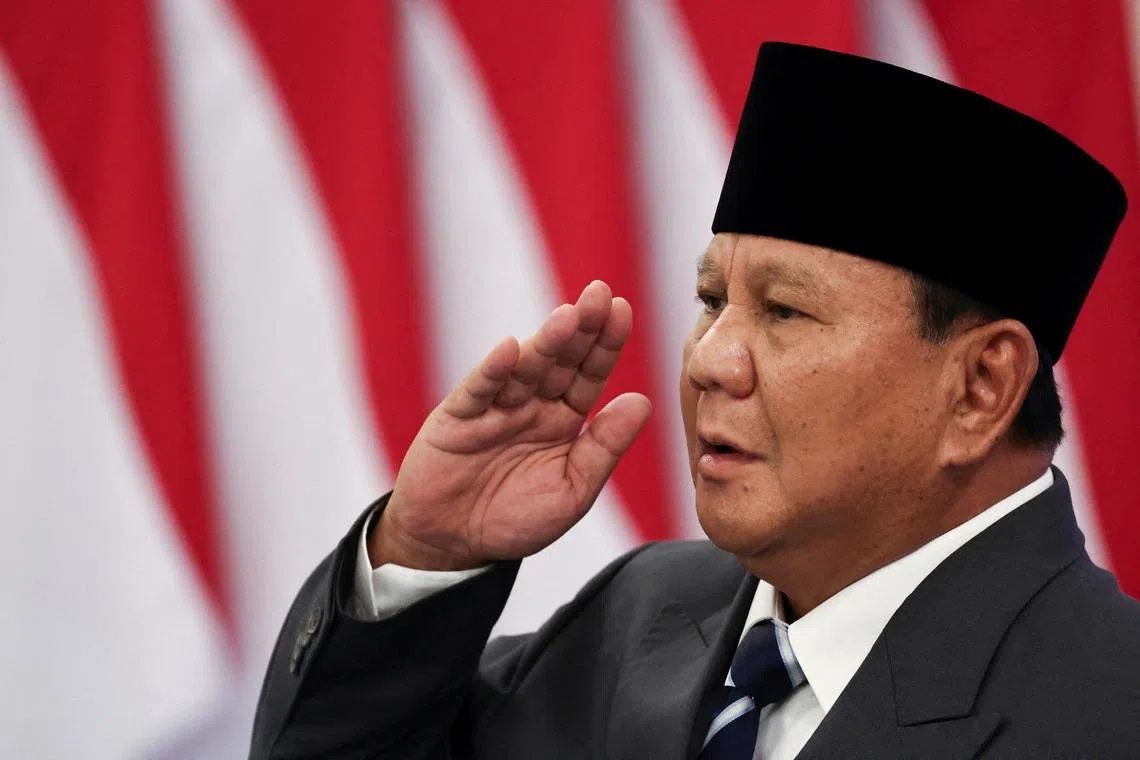
Indonesia's human rights commission has escalated pressure on the government to dismantle the military training component of President Prabowo Subianto's centrepiece village cooperative initiative, citing the deaths of five participants just ten days into a six-week training regimen. The intervention marks a significant challenge to the administration's vision of integrating military involvement into civilian economic programmes, an approach that has become increasingly prominent since Prabowo's assumption of office in 2024.
The Red and White Cooperatives programme, established in July of the previous year, represents an ambitious attempt to reshape Indonesia's rural economic landscape through the creation of approximately 80,000 village-based cooperatives. The initiative aligns with the government's broader economic ambitions, specifically targeting 8% gross domestic product growth by 2029. These cooperatives are designed to function as commercial entities distributing essential commodities—basic household goods, subsidised cooking gas, and fertiliser—to rural communities, thereby addressing access to affordable inputs whilst simultaneously generating employment opportunities in villages across the archipelago.
The programme's implementation has necessitated rigorous preparation of prospective cooperative managers, with nearly 35,000 individuals required to complete military-style training before assuming operational roles. The training commenced on June 14 across several regional military facilities and is scheduled to conclude on July 31. However, the five deaths occurring between June 17 and June 26 have exposed potential vulnerabilities in the programme's design and execution, prompting urgent scrutiny from human rights advocates and government institutions.
The defence ministry, which oversees the training component, attributed the deaths to diverse medical complications rather than programme design flaws. Major General Ketut Gede Wetan, heading the ministry's human resource development division, disclosed that participants died from cardiac arrest, heat stroke, tuberculosis, and pneumonia—conditions spanning both pre-existing health vulnerabilities and environmental stressors. Officials asserted that all participants had undergone medical screening prior to enrolment and received appropriate treatment according to established protocols. The ministry has committed to conducting a comprehensive evaluation encompassing health monitoring procedures, early identification mechanisms for at-risk participants, and recalibration of training intensity levels. The health ministry will assume greater involvement in the revised framework.
Pramono Ubaid Tantowi, representing Indonesia's human rights commission, directly challenged the compatibility of military training with the economic objectives underlying cooperative development. His position reflects a fundamental distinction between civilian institutional development and military preparation, arguing that cooperative management requires distinct competencies—specifically managerial expertise, leadership capability, and financial literacy. The rights body contends that basic military training, regardless of its stated intensity level, does not advance these essential skill domains and therefore constitutes an inappropriate educational pathway for prospective cooperative administrators.
The commission's statement represents more than administrative criticism; it constitutes a formal recommendation that the government terminate the military training requirement entirely. This intervention suggests growing institutional concern regarding Prabowo's broader strategy of expanding military participation in civilian governance structures. During his presidency, Prabowo has positioned the armed forces in increasingly prominent roles across development initiatives, marking a notable departure from civilian-led programme management that characterised recent administrations.
Beyond immediate policy recommendations, the rights body has called for comprehensive government investigation into the deaths, requesting that police authorities pursue forensic autopsy procedures to establish definitive cause-of-death evidence. This demand reflects concerns that standard medical explanations may obscure systemic failures in programme design or execution. The forensic investigation would provide crucial documentation for potential criminal proceedings, should negligence or inadequate safety protocols be identified.
For Malaysian observers, this controversy carries instructive implications regarding the integration of security institutions into civilian development frameworks. As both nations pursue economic modernisation and rural development initiatives, Indonesia's experience with the Red and White Cooperatives programme offers critical lessons about institutional appropriateness and risk management. Malaysia's own cooperative sector, whilst substantially developed, remains vulnerable to similar tensions when security apparatus become involved in economic programming.
The dispute also illuminates broader questions about civilian control of military institutions across Southeast Asia. Indonesia's experience since the transition to democracy has generally strengthened civilian institutions, yet Prabowo's administration appears willing to reverse certain boundaries. The human rights commission's intervention represents institutional resistance to this recalibration, suggesting that Indonesia's democratic safeguards retain some operational effectiveness despite executive preference for military integration.
The immediate policy outcome remains uncertain. The defence ministry's stated commitment to evaluation and adjustment suggests willingness to consider modifications rather than complete programme termination. However, the human rights body's explicit call for suspension, combined with international attention to the deaths and potential forensic investigations, creates substantial political pressure for more substantial reforms. Whether Prabowo's government accedes to these demands will indicate the degree to which civilian institutions can influence presidential policy preferences regarding military roles in civilian governance structures.

