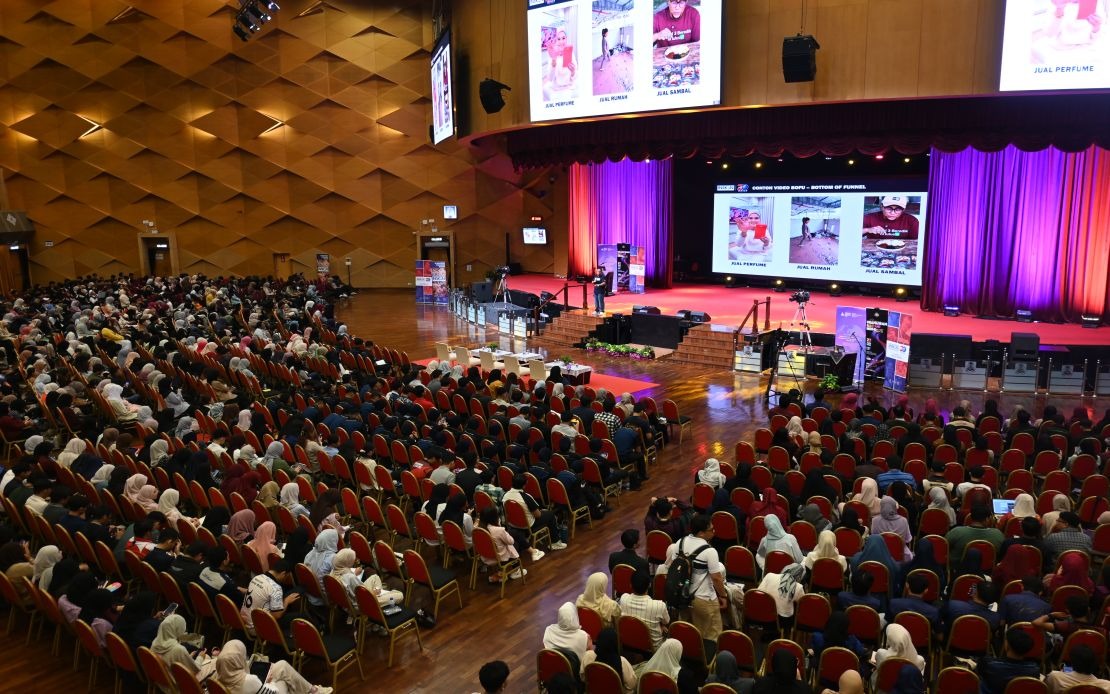
Nearly 7,000 students and aspiring entrepreneurs gathered—some physically, others remotely—at the Usahawan MADANI Mega (SUM MEGA) 2026 seminar, an achievement substantial enough to earn formal recognition from the Malaysia Book of Records for the largest student participation in an entrepreneurship seminar. The event, held at Dewan Agung Tuanku Canselor at Universiti Teknologi MARA in Shah Alam, represents a significant milestone in the nation's push to cultivate entrepreneurial mindsets among younger Malaysians at a time when economic competition and job creation remain pressing national concerns.
The seminar was orchestrated by the National Entrepreneurship Institute (INSKEN) alongside the Malaysian Academy of SME and Entrepreneurship Development (MASMED) and UiTM itself, bringing together students from campuses across the country for intensive knowledge-sharing and networking designed to convert classroom learning into practical business acumen. Rather than relying on abstract theory, organisers emphasised direct capacity-building and strategic connections among participants, mentors, and industry figures—creating an ecosystem where fledgling entrepreneurs could test ideas, find collaborators, and understand the mechanics of launching sustainable ventures.
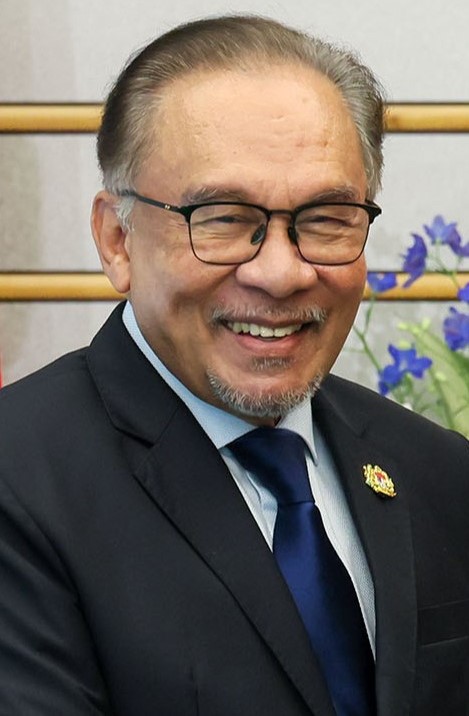
Datuk Mohamad Alamin, deputy minister of Entrepreneur and Cooperatives Development, seized the occasion to emphasise that entrepreneurship has transcended its status as merely one career option among many. In Malaysia's increasingly complex and competitive economic landscape, he underscored, entrepreneurship functions as a fundamental driver of growth, job creation, and resilience. The turnout itself—exceeding 6,800 participants—he suggested, signals a genuine cultural shift: younger Malaysians are viewing self-employment and business creation not as risky aberrations but as legitimate, even desirable, pathways to prosperity and impact.
The deputy minister's comments aligned with the MADANI government's broader economic philosophy. Through the Ministry of Entrepreneur and Cooperatives Development (KUSKOP), the administration has committed to nurturing what officials describe as an inclusive, sustainable, and high-impact entrepreneurial ecosystem. This commitment encompasses multiple dimensions: capacity-building programmes to equip entrepreneurs with business fundamentals; financing mechanisms to reduce capital barriers; market access initiatives to connect startups with customers and supply chains; digitalisation support to help small enterprises operate in an increasingly online economy; and tailored business development assistance to guide ventures through their critical early phases.
Datuk Mustaffa Kamil Ayub, chairman of the INSKEN Board of Trustees and a UiTM board member, framed the seminar's overwhelming response as evidence of a positive cultural evolution within Malaysia. He contended that entrepreneurship must be understood holistically—not merely as a career category but as a mindset, a cultural value system, and a movement capable of fundamentally reshaping the nation's economic trajectory. This perspective matters: it suggests that entrepreneurship education is not peripheral skill-training but central to how Malaysia envisions its future workforce and competitive positioning.
Central to the seminar's pedagogical approach was the MOFA framework, a practical methodology that breaks down business management into four essential domains: marketing, operations, finance, and administration. By focusing on these tangible, implementable aspects, the framework aims to strengthen entrepreneurs' capacity to survive early challenges, remain competitive as markets shift, and scale operations sustainably. This structured approach contrasts with more inspirational, motivational seminars that may energise participants but leave them unclear about concrete next steps; instead, SUM MEGA 2026 prioritised actionable knowledge.
INSKEN's broader portfolio underscores this commitment to depth and continuity. Beyond the headline seminar, the institute operates multiple ongoing programmes—including the INSKEN Masterclass for intensive skill-building, BANGKIT for emerging entrepreneurs seeking structured support, and PROTÉGÉ for mentorship-driven advancement—ensuring that students who catch entrepreneurship enthusiasm at SUM MEGA 2026 have institutional pathways to sustain their journey. This ecosystem approach, rather than treating entrepreneurship education as one-off events, reflects an understanding that sustained economic impact requires repeated engagement, feedback, and community reinforcement.
For Malaysian and Southeast Asian readers, the implications extend beyond mere statistics. A generation of university graduates equipped with entrepreneurial competencies and confidence—and ideally, some early business experience—can contribute differently to their economies than graduates trained solely for employment within existing corporate hierarchies. These entrepreneurs may launch ventures that export goods or services regionally, create employment for others in their communities, digitise traditional industries, or address local problems through innovative business models. They may also prove more adaptable as automation and globalisation reshape labour markets.
The seminar also highlighted the interdependence of stakeholders in Malaysia's entrepreneurial ecosystem. Government agencies, universities, financial institutions, industry mentors, and business communities all converged at SUM MEGA 2026—a coordination that mirrors the multi-actor approach embedded in the National Entrepreneurship Policy 2030. This policy framework, which guides long-term entrepreneurship initiatives, emphasises resilience, competitiveness, and high-impact ventures. Success in achieving those goals depends on precisely the kind of collaborative infrastructure that SUM MEGA 2026 demonstrated.
From a regional perspective, Malaysia's emphasis on building entrepreneurial capacity among younger cohorts positions the country competitively within Southeast Asia. As the bloc matures economically and labour costs rise, nations that can cultivate homegrown entrepreneurs and innovators rather than relying on foreign direct investment alone tend to sustain longer-term prosperity. Malaysia's initiatives—backed by government commitment, institutional collaboration, and visible engagement from policymakers—suggest a serious, systemic approach rather than ad hoc support.
Looking forward, the challenge lies in converting seminar attendance into measurable entrepreneurial outcomes. How many SUM MEGA 2026 participants will launch registered businesses within two years? How many will secure financing? How many will achieve sustainable operations? These metrics will ultimately determine whether events like this constitute genuine catalysts for economic transformation or remain inspirational theatre. INSKEN's portfolio of follow-up programmes suggests institutional awareness of this need; the quality and accessibility of those programmes will be crucial.
The Malaysia Book of Records recognition carries symbolic value too. It signals that Malaysia is not merely participating in global entrepreneurship discourse but is doing so at scale and with deliberation. The record itself—largest student participation in an entrepreneurship seminar—becomes a benchmark that future events may aspire to surpass, creating constructive competitive momentum within the ecosystem. Such recognition can also attract media attention, investor interest, and international partnerships, potentially magnifying the seminar's ripple effects beyond the immediate 6,877 participants.