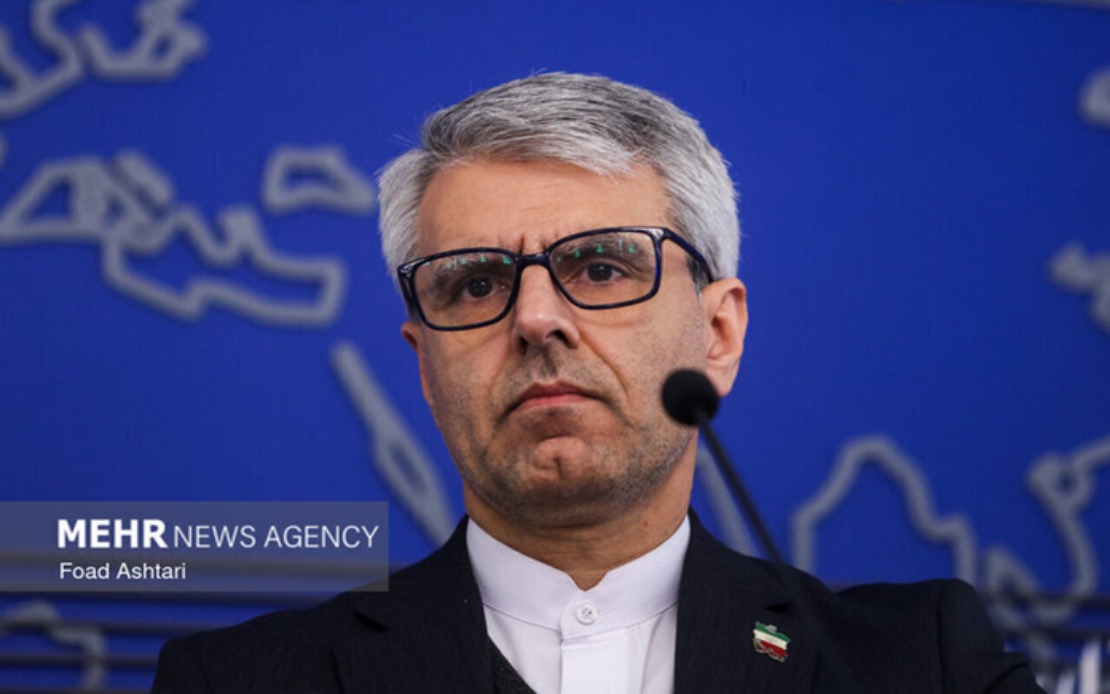
Iran and Oman have committed to continuing multilevel consultations regarding the security situation in the Strait of Hormuz, according to Iranian Foreign Ministry spokesman Esmaeil Baghaei. The agreement emerged following a high-level visit by Iranian Foreign Minister Abbas Araghchi to Oman on Saturday, where he engaged in talks specifically focused on the strategic waterway that handles roughly one-third of global maritime oil traffic.
The diplomatic engagement underscores growing concerns about stability in one of the world's most critical maritime passages. For Malaysia and other Southeast Asian economies heavily dependent on energy imports and international trade, developments affecting the Strait of Hormuz carry substantial implications for shipping costs, supply chain reliability, and regional economic growth. Any disruption to free passage through this channel would reverberate across Asia's energy markets and commerce networks.
Baghaei articulated the framework for future cooperation, stating that Oman and Iran would pursue dialogue encompassing political, legal, and technical dimensions. This multifaceted approach suggests both nations recognise that resolving maritime security concerns requires coordination across diplomacy, international law, and operational procedures. The inclusion of technical consultations indicates willingness to establish concrete mechanisms for managing vessel traffic and preventing incidents that could escalate tensions.
The timing of these consultations follows inflammatory rhetoric from Iran's Islamic Revolutionary Guard Corps (IRGC), which previously declared the strait closed to international shipping until the United States ceased regional military operations. Such declarations, while unlikely to be fully implemented, reflect the heightened rhetoric characterising Iran-US relations and highlight the fragility of the status quo in the Persian Gulf. The fact that both Tehran and Muscat have opted for negotiation rather than confrontation suggests diplomatic channels remain open despite provocative statements.
Oman's role as mediator and interlocutor has proven invaluable in this context. The sultanate maintains historically pragmatic relationships across the Gulf and has consistently positioned itself as a neutral arbiter in regional disputes. Oman's capacity to engage both Iran and Western powers without appearing to take sides makes it uniquely suited to facilitate dialogue. This mediation function extends beyond bilateral Iran-Oman discussions; Qatar's participation in broader consultations underscores how multiple regional and international actors are invested in preventing escalation.
Baghaei's statement that future management of the Strait of Hormuz should emerge from consultations between Iran and Oman is notable, as it asserts these two nations as primary stakeholders in determining security arrangements. This formulation implicitly challenges international maritime law frameworks that typically emphasise international consensus and freedom of navigation principles. However, it also reflects Iran's strategic concern about external military presence in waters adjacent to its territory, particularly US naval deployments and operations by Israel, which Tehran views as threatening.
The spokesman's emphasis on recent military actions by the United States and Israel against Iran provides context for Tehran's hardened negotiating position. From Iran's perspective, external military interventions in the region have necessitated defensive postures, and any arrangement for strait management must account for this asymmetry of threat perception. This framing suggests Iranian negotiators will likely condition any agreement on commitments regarding external military activity.
The distinction between dialogue at three levels—political, legal, and technical—indicates sophisticated understanding of what comprehensive maritime security requires. Political dialogue addresses strategic interests and threat perceptions; legal consultations would establish frameworks consistent with international maritime conventions and both nations' domestic law; technical discussions would cover practical matters such as shipping corridor protocols, emergency communication systems, and vessel identification procedures. This comprehensive approach offers genuine potential for establishing durable arrangements.
For Malaysian readers and Southeast Asian policymakers, these developments warrant close attention for several reasons. Malaysia itself operates significant maritime commerce through the Strait of Hormuz and neighbouring waters, and Malaysian vessels regularly transit these passages. Any agreement that stabilises the region and prevents shipping disruptions directly benefits Malaysian trade and energy security. Conversely, escalation could increase insurance premiums, shipping delays, and crude oil prices affecting Malaysia's refining and petrochemical industries.
The diplomatic path chosen by Iran and Oman also provides a potential template for managing other regional tensions. Rather than allowing military posturing to dominate, sustained consultation on technical and legal frameworks can gradually build confidence and establish predictable patterns of interaction. The involvement of mediating powers like Qatar demonstrates how coalition-building among regional stakeholders can create space for dialogue even amid broader geopolitical competition.
Looking forward, the success of these consultations will likely depend on whether external pressures allow both nations genuine autonomy in reaching agreements. Iran's insistence that future arrangements emerge from Iran-Oman discussions rather than international forums suggests potential friction with Western maritime powers accustomed to shaping Gulf security architecture. However, the very fact that serious diplomatic engagement continues indicates all parties recognise the costs of continued confrontation exceed the benefits of their respective negotiating positions.
The commitment to ongoing consultations represents a pragmatic recognition that the Strait of Hormuz's strategic importance demands cooperative management rather than unilateral assertions of control. For regional stability and global economic interests, including those of Southeast Asian nations, this diplomatic engagement offers a more promising trajectory than the alternative of escalating military tensions.

