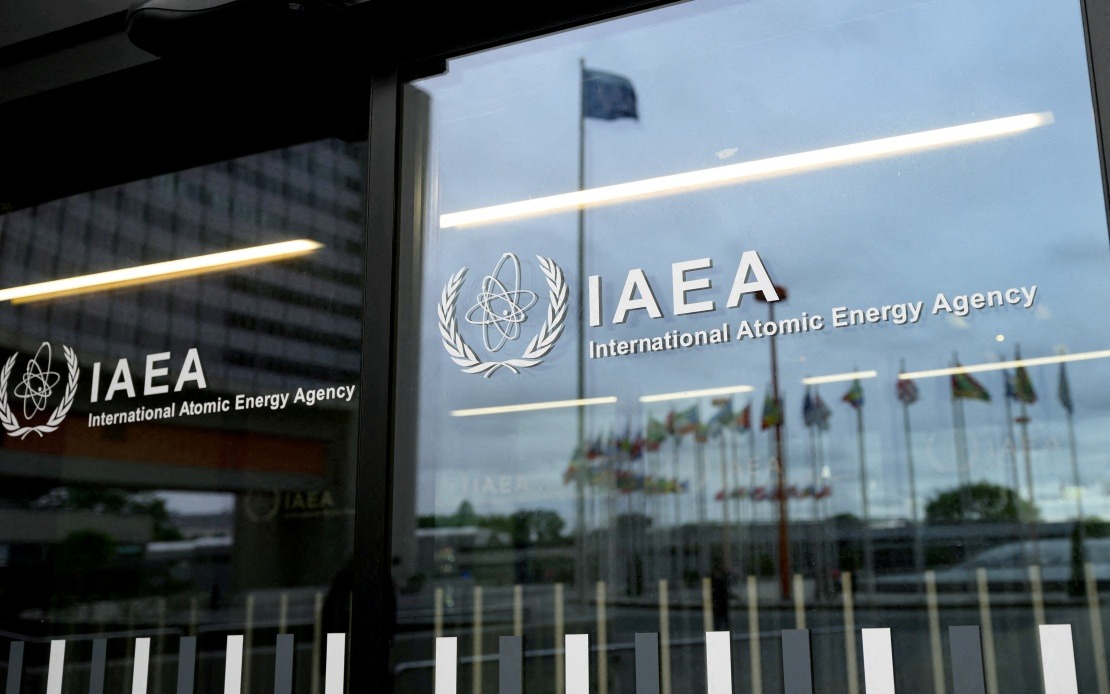
Iran's government has drawn a firm line in negotiations over its nuclear programme, refusing to allow inspections of its atomic facilities until a comprehensive agreement with the United States is finalized and all economic sanctions are lifted. The position, articulated by Deputy Foreign Minister Kazem Gharibabadi on Wednesday, signals Tehran's intention to leverage nuclear access as a bargaining chip in what are shaping up to be delicate talks over the future of its controversial atomic activities.
Gharibabadi's statement came in response to assertions by International Atomic Energy Agency Director General Rafael Grossi that inspections would proceed under the framework of a recently signed US-Iran peace memorandum of understanding. The Iranian official's rejection of this timeline underscores the deep mistrust between the parties and suggests that even as negotiations begin, fundamental disagreements persist over the sequencing and conditions of transparency measures. Tehran's refusal to grant immediate access to the IAEA reflects its desire to extract maximum concessions from Washington before offering the kind of nuclear transparency that international monitors typically demand.
The stakes of this dispute are particularly high given the recent military escalation in the region. Iran's three major nuclear complexes—Fordow, Natanz, and Isfahan—have become battlegrounds in an ongoing conflict. In June 2025, these facilities sustained bombing campaigns by the United States and Israel, followed by further strikes that devastated Iranian nuclear and military infrastructure when hostilities erupted on February 28 this year. The physical damage to these sites adds complexity to any inspection regime, as Iran may argue that their current condition makes them unsuitable for monitoring or that the destruction itself justifies withholding access pending political settlement.
The memorandum of understanding signed on June 18 established a framework for 60 days of intensive negotiations aimed at producing a final agreement on Iran's nuclear programme and the lifting of sanctions. This is not a final deal but rather a road map for reaching one, with the first substantive round of talks already concluded in Switzerland on Sunday and Monday. The compressed timeline creates urgency, yet also highlights how contested even basic procedural matters remain between Tehran and Washington.
Iranian officials are also contradicting the IAEA's understanding of recent diplomatic activity. Gharibabadi specifically denied that meetings had occurred between Iran's negotiating delegation and Grossi in Switzerland, despite the director general's reported request for such an encounter. This contradiction raises questions about the level of coordination between the IAEA and the principal negotiators, and whether the agency will have adequate opportunity to assess Iran's current nuclear status and intentions as talks progress.
Gharibabadi's insistence that nuclear access "will be reviewed and resolved solely within the framework of the final agreement" represents a significant departure from conventional non-proliferation diplomacy, where inspections typically precede or run parallel to political agreements. By conditioning IAEA access on the complete removal of sanctions, Iran is essentially demanding that the United States make its most significant concession before granting the transparency measures Washington would likely view as essential verification that Tehran is meeting its obligations.
For Malaysia and other Southeast Asian nations watching these developments, the implications are substantial. Any agreement or breakdown between Iran and the US carries ramifications for global oil markets, shipping through strategic waterways, and the broader balance of power in the Middle East. Malaysia's significant trade links with Iran, particularly in sectors like petrochemicals and energy, mean that sanctions regimes directly affect Malaysian business interests. Moreover, regional stability in the Persian Gulf influences the security of shipping lanes vital to Malaysian commerce.
The negotiating positions adopted by both sides in these early stages suggest that reaching agreement will require significant bridging of gaps. Iran's tactic of withholding cooperation from the IAEA until political gains are secured could provoke international concern about the sincerity of its commitment to transparency. Conversely, Washington's apparent expectation that inspections will commence under the existing MoU framework indicates that the US sees verification as a prerequisite for substantive sanctions relief rather than an outcome of a final accord.
The involvement of the IAEA as a supposedly independent arbiter in this process faces its own complications. While the agency is mandated to monitor Iran's nuclear activities, it operates within a political ecosystem where major powers shape its mandate and resources. If the IAEA becomes sidelined from direct engagement with Iranian officials during this crucial negotiating period, its ability to provide credible assessments of Iran's nuclear status and intentions could be compromised, ultimately weakening any future agreement's verification mechanisms.
Looking ahead, the 60-day negotiating window will likely involve complex discussions about the sequencing of sanctions removal and inspections, the scope of IAEA access, and the technical specifications of Iran's permitted nuclear activities. These are not merely administrative details but reflect fundamental questions about trust, verification, and the reversibility of commitments. How these parties resolve their disagreements in the coming weeks will determine whether this peace memorandum leads to a durable agreement or becomes another failed attempt to address the Iran nuclear question.

