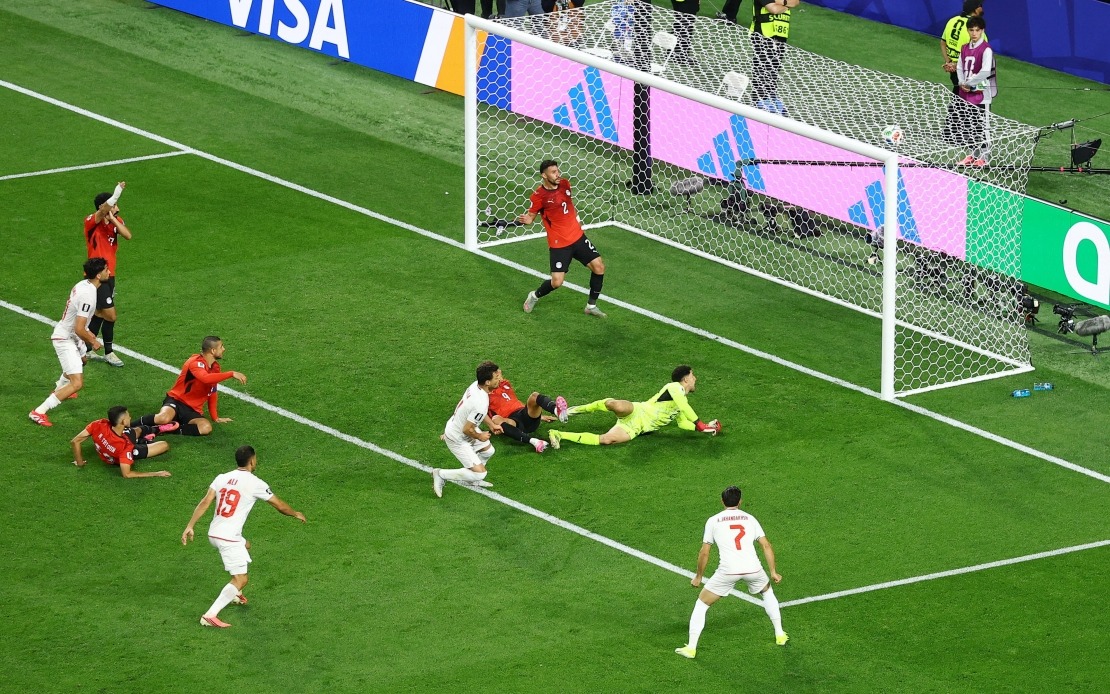
Iran's football federation has lodged formal complaints about their treatment throughout the World Cup tournament, releasing a statement as the squad departed for home following their elimination from the competition. The Iranian team's exit came after Saturday's 1-1 draw with Egypt proved insufficient to advance to the knockout stage, a result marred by a controversial disallowed goal that underwent an extended VAR review. The federation's parting remarks underscored the frustrations that had accumulated over the course of their tournament stay, framing the experience as marked by systemic disadvantages rather than purely sporting disappointment.
The geographical displacement of Iran's base camp represented one of the most visible symbols of the obstacles the delegation encountered. Originally scheduled to establish headquarters in Arizona, the Iranian team was compelled to relocate to Tijuana, Mexico, creating logistical challenges that extended beyond mere inconvenience. This shift fundamentally altered the team's preparation routines and travel patterns throughout their matches on American soil, adding another layer of complexity to their tournament participation. The relocation reflected deeper geopolitical tensions, as the mounting restrictions placed on the Iranian delegation appeared to stem from broader United States-Iran relations rather than standard World Cup protocols applied uniformly to all participating nations.
Beyond the physical displacement, the Iranian federation highlighted a pattern of travel restrictions that complicated their movement and participation during the competition. These impediments went beyond typical security measures and appeared disproportionate when compared to the treatment afforded other national teams. For Malaysian observers, the situation illustrates how geopolitical tensions between major powers can penetrate and influence major sporting events, creating circumstances where athletic competition becomes entangled with diplomatic friction. The restrictions imposed on Iranian personnel raised questions about equitable treatment in international sporting venues, a concern that resonates across Southeast Asian nations sensitive to issues of fair play and equal opportunity in global competitions.
The VAR incident during Iran's final group match exemplified the frustrations the federation sought to articulate. A goal was nullified following what the Iranian camp characterised as an unnecessarily prolonged review process, contributing to a sense that technical decisions were being administered with less favourability towards their team. While VAR remains a contentious technology across world football, the federation's assertion suggests they perceived a pattern rather than an isolated incident. This perception of unequal application of rules, whether ultimately justified or not, became sufficiently significant that the federation chose to document it in their official departure statement, indicating the depth of discontent within the camp.
The Iranian federation's statement demonstrated considerable restraint while still conveying clear displeasure with their experience. Rather than launching unsubstantiated attacks, the team thanked media outlets for documenting what they characterised as factual evidence of the unfair treatment they endured. This measured approach suggested that the federation hoped the documented record would speak for itself, allowing independent observers and journalists to reach conclusions about whether the protocols applied to Iran aligned with established World Cup standards. The emphasis on media accountability and factual reporting represented an implicit challenge to the tournament organisers to justify the differential treatment, appealing to principles of transparency and journalistic integrity.
Remarkably, the statement also expressed genuine warmth towards the Mexican people and Tijuana residents who hosted the Iranian delegation. This distinction between formal complaints about tournament administration and appreciation for local hospitality demonstrated sophistication in the federation's messaging. The team's experience in Mexico stood in sharp contrast to their encounters within the official World Cup infrastructure, underscoring that the difficulties stemmed from systematic decisions rather than from any broader hostility. The affection expressed for Tijuana and its residents added a humanitarian dimension to what might otherwise have been purely a diplomatic grievance.
For Southeast Asian nations and their sporting organisations, Iran's experience carries implications worth considering. The incident exemplifies how international sporting events remain susceptible to geopolitical pressures, particularly when host nations maintain strained relationships with specific countries. Malaysia and other ASEAN members competing in future world tournaments must be cognisant that factors beyond athletic performance can influence their experiences. The precedent suggests that teams from nations in diplomatic tension with powerful Western governments may face additional scrutiny, restricted access, or logistical obstacles that disadvantage their preparation and performance.
The broader context of United States-Iran relations provides essential background for understanding the constraints imposed. The longstanding tensions between Washington and Tehran have manifested in various international settings, and a World Cup hosted in the United States represented a uniquely challenging environment for Iranian participation. That the tournament organisers apparently deemed it necessary to impose travel restrictions and logistical complications on the Iranian delegation raises questions about the appropriate boundaries between national security considerations and the fundamental principle that international sporting events should operate above geopolitical divisions.
Iran's tournament exit, while ultimately a sporting failure, thus carries dimensions that transcend the football pitch. The circumstances surrounding their participation illuminate tensions between political interests and sporting ideals, reminding observers that major international competitions do not exist in isolation from global power dynamics. The federation's measured but clear statement on departure ensures that their experience becomes part of the historical record of this particular World Cup, potentially influencing how future tournaments balance security concerns with equitable treatment of all participating nations. For regional observers in Southeast Asia, the situation underscores the importance of international sporting bodies maintaining rigorous standards of fairness that apply consistently regardless of participating nations' diplomatic relationships with host countries.

