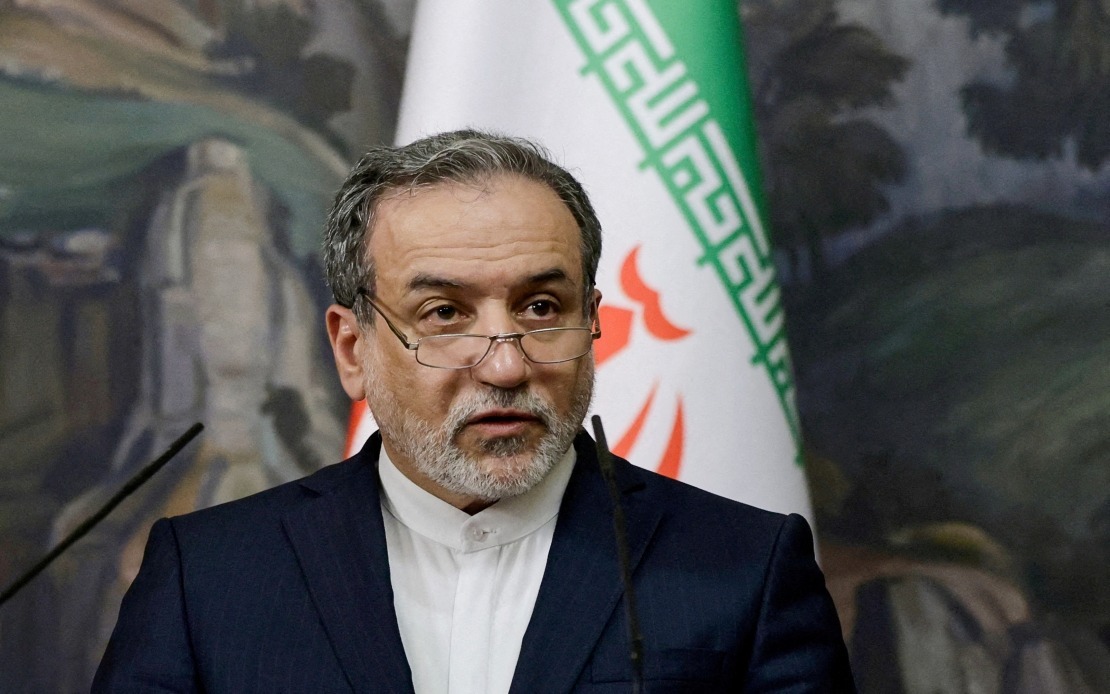
Iran has yet to make a determination on whether to return to the negotiating table with the United States, with Tehran's Foreign Minister Abbas Araghchi emphasising that continued indirect communication through third-party mediators should not be mistaken for the resumption of substantive diplomatic engagement. Speaking in Istanbul, Araghchi sought to reframe the nature of ongoing contacts with Washington, drawing a careful distinction between back-channel messaging and actual negotiations, a distinction that carries significant weight in the broader context of regional tensions and diplomatic standoff.
Araghchi explicitly rejected characterisations of the Islamabad memorandum as establishing a 60-day ceasefire arrangement between Iran and the United States. Instead, the Iranian foreign minister argued that the June framework agreement, which was brokered by Pakistan, established an end to hostilities rather than a temporary cessation of conflict subject to renewal or extension. This semantic distinction reflects the fundamental disagreement between the two nations over the nature and binding character of their recent peace arrangement, with Tehran contending that the accord represented a permanent conclusion to active conflict rather than a provisional arrangement.
According to Araghchi's account, the United States subsequently violated the terms of the Islamabad memorandum, prompting a resumption of fighting and rendering the question of ceasefire extension entirely moot. This characterisation presents a starkly different narrative from positions that might be advanced by American officials or their regional partners, underlining the profound gap in how the two sides interpret recent events and assign responsibility for the breakdown in the ceasefire framework. The Iranian position essentially forecloses discussion of extending any temporary pause, since Tehran contends no temporary arrangement ever existed.
The 60-day window referenced in the Islamabad memorandum, according to Iran's interpretation, was designated as a period during which both nations could pursue negotiations aimed at reaching a durable final settlement. This reading suggests that the timeframe was intended as an opportunity for diplomatic progress rather than as the shelf-life of a ceasefire agreement. The distinction matters enormously for understanding Iran's current posture, as it removes the pressure that would otherwise accrue from a deadline passing without renewal, instead placing responsibility on the United States for preventing the collapse of the broader arrangement through alleged violations.
Despite the apparent diplomatic freeze, Qatar and Pakistan have continued to serve as conduits for messages between Tehran and Washington, maintaining the channels through which future negotiations might theoretically be conducted. Araghchi was careful to note that these ongoing communications should not be misinterpreted as evidence of substantive talks or a softening of Iran's negotiating position. This clarification appeared designed to prevent domestic critics from perceiving any weakness or readiness to capitulate, while simultaneously leaving open the possibility of future engagement if circumstances shifted favourably.
Separate from any discussions involving Washington, Iran is pursuing technical negotiations with Oman focused on establishing new maritime shipping corridors through the Strait of Hormuz. These talks, according to Araghchi, address the reality that existing shipping lanes have become unsuitable, presumably due to security concerns and the broader regional conflict. The negotiations involve technical experts from both countries as well as Iranian military representatives, indicating the security dimensions of what might appear to be a purely commercial undertaking. Araghchi suggested that these discussions could be concluded in the near term, with temporary arrangements evolving into permanent shipping infrastructure.
Crucially, Araghchi stressed that these maritime negotiations with Oman are entirely distinct from any question of reopening the Strait of Hormuz for broader international traffic. The technical work on new shipping routes, he indicated, should not be confused with discussions about restoring full international passage through the strategic waterway. This distinction is vital because control over the Strait of Hormuz represents one of the most significant leverage points in the broader geopolitical contest between Iran and Western powers, with profound implications for global energy markets and maritime commerce.
The reopening of the Strait of Hormuz, according to Iran's position, remains contingent upon the fulfilment of additional conditions that the United States would need to satisfy. Araghchi did not enumerate these conditions with specificity, but his remarks suggest that Iran views potential normalisation of maritime traffic as part of a broader package of reciprocal concessions rather than as an independent question to be resolved through technical maritime discussions. This framing preserves Iran's negotiating leverage while avoiding the appearance of unconditional capitulation on a matter of strategic importance.
For Southeast Asian readers and policymakers, the Iranian position carries several implications worthy of consideration. The Strait of Hormuz remains critical infrastructure for regional trade and energy security, with Malaysian shipping and commerce dependent upon reliable passage through these waters. Any prolonged closure or restrictions on maritime traffic would have cascading effects throughout the region, affecting supply chains, energy prices, and economic stability. Malaysia's significant trade relationships with both Iran and Western nations position the country at the intersection of these competing interests, making developments in Iran-US relations directly relevant to Malaysian economic and strategic concerns.
The persistence of mediated communication between Iran and the United States, despite Araghchi's insistence that no formal negotiations are underway, suggests that neither party has entirely abandoned the possibility of eventual diplomatic resolution. The maintenance of channels through Qatar and Pakistan reflects a recognition that catastrophic escalation serves neither side's long-term interests, even as fundamental disagreements persist regarding the interpretation of existing agreements and the conditions for future engagement. The trajectory of these covert diplomatic contacts will likely prove far more consequential than public statements regarding the absence of formal negotiations.
The Iranian government's defensive posture regarding ceasefire arrangements and negotiation resumption reflects domestic political pressures, with hardliners skeptical of any accommodation with Washington and reformists potentially favouring dialogue. Araghchi's carefully calibrated statements appear designed to maintain enough ambiguity to satisfy both constituencies—neither closing the door to future negotiations nor appearing to capitulate to American demands. This domestic political dimension adds another layer of complexity to an already intricate diplomatic situation, where public pronouncements often obscure more fluid private positions.
The broader trajectory of Iran-US relations remains deeply uncertain, with the Islamabad memorandum's collapse demonstrating the fragility of agreements reached between fundamentally adversarial powers with conflicting regional ambitions. The technical negotiations with Oman on maritime corridors represent one of few areas where concrete progress has been achieved, suggesting that confidence-building measures focused on specific, manageable issues may prove more durable than comprehensive political settlements. Whether these limited successes can serve as stepping stones toward broader normalisation or will remain isolated islands of cooperation in a sea of confrontation remains an open question that will shape regional stability for years to come.

