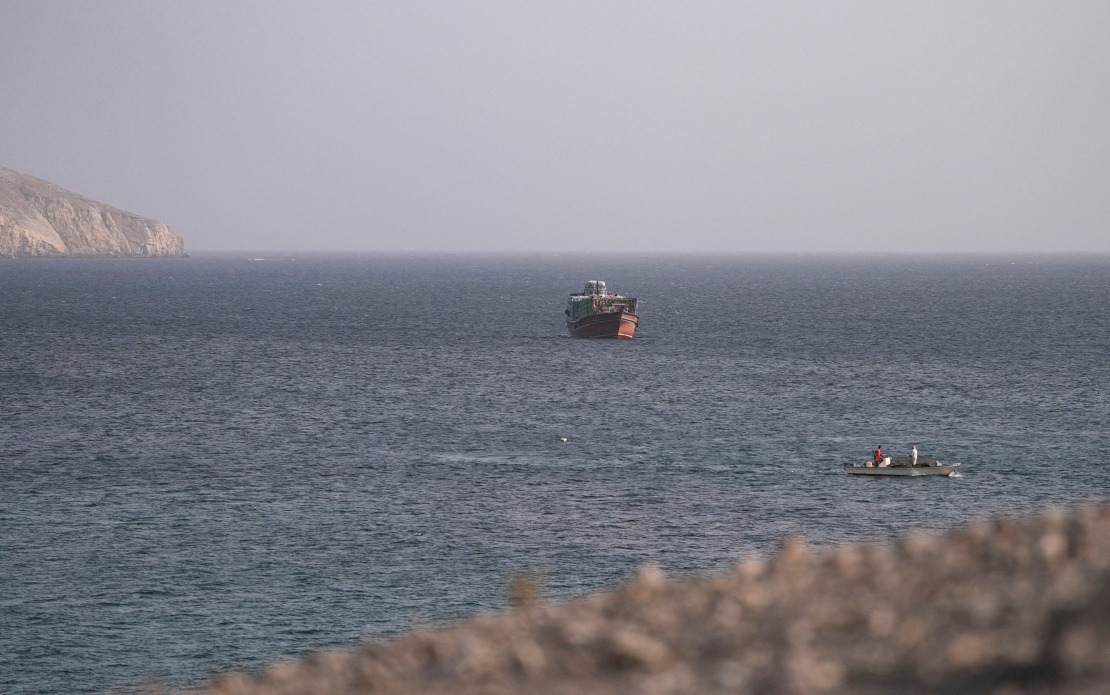
Iran and Oman are moving swiftly toward finalizing a landmark agreement that would reshape maritime commerce through one of the world's most strategically vital waterways. Deputy Foreign Minister Kazem Gharibabadi disclosed on Wednesday that negotiations between the two Gulf states have reached an advanced stage, with the arrangement expected to establish revised procedures for vessels transiting the Strait of Hormuz. The development carries significant implications for global shipping and energy markets, particularly as approximately one-third of world maritime oil trade typically flows through this narrow chokepoint between Iran and the Oman peninsula.
The proposed arrangement represents a substantial departure from the status quo that has prevailed for six decades, according to Gharibabadi's characterization. Rather than maintaining the existing shipping patterns, the new framework would direct a substantial volume of commercial traffic through Iran's territorial waters, fundamentally altering the maritime geometry of one of Asia's most critical trade corridors. This shift reflects Tehran's evolving approach to asserting its maritime rights and economic interests in the region, moving beyond historical conventions that have essentially treated the waterway as an international passage beyond Iran's direct control.
A particularly contentious element of the negotiations concerns whether Iran will levy transit fees on vessels utilizing the new routes. Gharibabadi indicated that any decision on collecting such charges would hinge on determinations made by Iran's supreme leadership, suggesting the matter transcends routine diplomatic or commercial considerations. The question of transit fees carries profound economic implications for shipping companies and consuming nations alike, potentially affecting energy prices and trade patterns across Southeast Asia and beyond. Malaysia, as a major trading nation and energy consumer, would face direct consequences from any fee structure implemented in the Strait of Hormuz.
The deputy foreign minister's comments also introduced a conditional dimension to Iran's stance, explicitly linking potential economic arrangements to American conduct. Gharibabadi stated that decisions regarding transit fees would be contingent on United States behaviour, suggesting Tehran intends to use the Strait of Hormuz arrangement as leverage in broader negotiations with Washington. This linkage underscores how the strategic waterway has become intertwined with Iran's nuclear diplomacy and regional security calculations, transcending its purely commercial function.
Significantly, Gharibabadi confirmed that Iran has received communications from the United States signalling Washington's willingness to "return to its commitments," though he declined to elaborate on which specific obligations or through what channels these messages were transmitted. The opaque nature of these communications suggests ongoing backchannel discussions between Tehran and Washington, potentially laying groundwork for a broader accommodation on the Iranian nuclear programme. Such developments would represent a dramatic reversal from the escalatory stance that has characterized US-Iran relations in recent years, particularly following the American withdrawal from the Joint Comprehensive Plan of Action in 2018.
The timing of the Oman agreement is noteworthy given Gharibabadi's simultaneous reference to imminent dealings with Washington. The convergence of these developments suggests a coordinated diplomatic offensive by Tehran, wherein the Strait of Hormuz arrangement serves as both a tangible achievement demonstrating Iran's regional agency and a potential bargaining chip in larger negotiations. Oman, historically positioned as a mediator between Iran and Western powers, has demonstrated its value as a diplomatic interlocutor by facilitating these negotiations.
For regional observers, the agreement's implications extend well beyond maritime logistics. The establishment of new shipping corridors through Iranian territorial waters could enhance Tehran's surveillance and control capabilities in the waterway, providing greater visibility into commercial traffic patterns and strategic movements. This information advantage might prove valuable for Iran's security calculations, particularly regarding the activities of rival regional powers and Western military assets operating in the Persian Gulf. The arrangement therefore blurs the distinction between commercial accommodation and strategic positioning.
The proposed framework deliberately avoids constituting a full reopening of the Strait of Hormuz in the traditional sense, Gharibabadi emphasized, suggesting Iran wants to distinguish this arrangement from broader regional reconciliation or normalization. This careful rhetorical positioning may reflect domestic political sensitivities within Iran, where concessions to foreign powers often provoke criticism from hardline constituencies. By characterizing the agreement as establishing a novel model rather than reverting to established practice, Iranian officials can present the arrangement as advancing national interests rather than accommodating external pressure.
For Malaysian policymakers and business interests, the developing situation warrants close monitoring. Malaysia's significant maritime trade exposure, combined with its substantial energy imports, creates direct vulnerability to disruptions or cost increases arising from the Strait of Hormuz arrangement. Malaysian shipping companies operating in the region must remain alert to procedural changes and potential fee structures that could affect operational costs and competitiveness. Additionally, Malaysia's broader strategic interests in regional stability and predictable maritime commerce depend partly on how successfully Iran and Oman manage these new arrangements without triggering destabilizing reactions from other regional or global actors.
The broader context of these negotiations involves persistent international concerns about Iran's nuclear programme and regional proxy activities. Any successful agreement on Strait of Hormuz arrangements might create momentum for addressing these more contentious issues through diplomatic channels. Conversely, failure to reach accommodation could result in further escalation and maritime instability, threatening freedom of navigation and energy security across Asia. The coming days will prove critical in determining whether the referenced deal with Washington materializes, potentially reshaping the strategic equation throughout the Gulf region and beyond.

