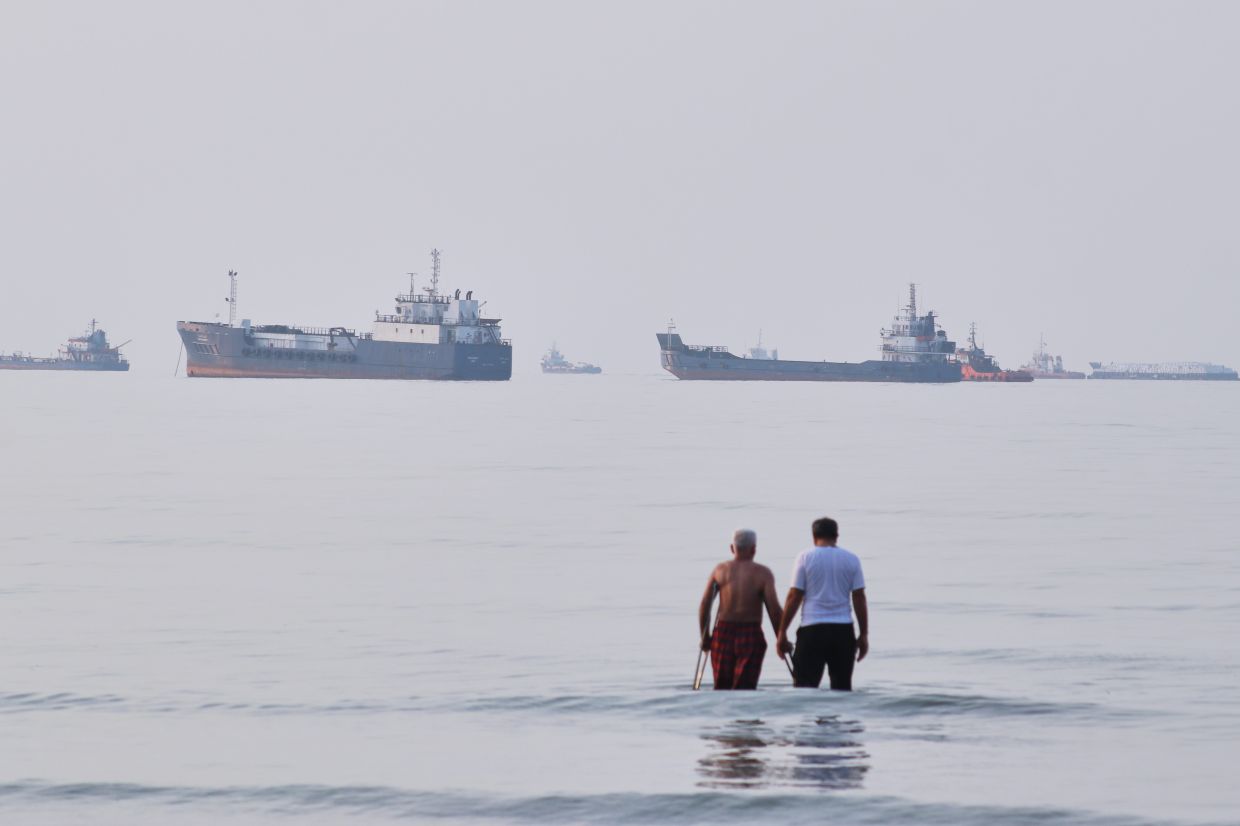
Iran has categorically rejected the notion that peace negotiations with the United States can proceed without a formal ceasefire in place, instead laying out explicit demands that Washington must satisfy before any diplomatic progress can be achieved. The Iranian government is insisting that the US first implement what Tehran describes as "agreed-upon understandings" regarding critical issues including freedom of navigation through the Strait of Hormuz and normalisation of Iran's oil export capabilities, according to statements released through the semi-official Fars news agency citing unnamed informed sources within the Iranian establishment. This hardline stance represents a significant escalation in rhetoric and sets a substantially higher bar for resuming negotiations than the US administration has indicated it is willing to accept.
The tensions surrounding these diplomatic impasses have been further inflamed by President Trump's inflammatory rhetoric on social media, where he threatened to unleash "1000 Missiles" on Iran should Tehran act on alleged threats against his life. Trump's extraordinary Friday evening post referenced reports that Israel had informed him of an Iranian assassination plot, with the US President claiming that calls for his death had been made during funeral proceedings for Ayatollah Ali Khamenei. The threatening language marked a dramatic departure from Trump's stated preference for continued dialogue and underscored the volatile nature of US-Iran relations despite both sides publicly expressing interest in negotiated resolution.
Simultaneously, senior officials within the Trump administration have presented Iran with specific demands that represent immediate preconditions for further engagement. According to anonymous briefings provided to journalists, the US has demanded that Iran make a public declaration affirming that all channels through the Strait of Hormuz remain open to international shipping and that Tehran commit to refraining from attacks on civilian vessels navigating the critical waterway. Officials warned that Iran would face unspecified consequences should it fail to provide such public reassurances, suggesting that the military situation remains extremely fluid and that further escalation remains a distinct possibility if diplomatic signals are not quickly exchanged.
The latest cycle of military escalation, featuring sustained US airstrikes followed by Iranian retaliatory strikes against American military positions in the region, has created significant disruption to global energy markets and raised fundamental questions about the viability of the ceasefire arrangement that Trump himself had indicated was no longer in effect. Earlier on Friday, the US President publicly stated that he considered the ceasefire agreed between Washington and Tehran in mid-June to be defunct, effectively signalling that the US reserved the right to continue military operations. This assertion proved prescient given the rapid sequence of hostile actions that followed, with both sides demonstrating their military capacity and willingness to employ it.
Beyond the immediate military tensions, the Trump administration has moved to tighten economic pressure on Iran through the revocation of a Treasury Department waiver that had previously permitted Iran to sell crude oil in international markets. Combined with ongoing military confrontation, this economic measure represents perhaps the most consequential challenge to the fragile ceasefire arrangement to date and explains Iran's intransigent negotiating posture. The US has additionally blamed Iran for a pattern of attacks targeting commercial and military vessels transiting the Strait of Hormuz, a narrow waterway that represents the world's most strategically important energy transportation corridor through which approximately one-third of global seaborne oil traffic passes annually.
Despite the escalating rhetoric and military exchanges, both American and Iranian officials have signalled that expert-level discussions remain ongoing at technical levels, suggesting that diplomatic channels have not been entirely severed. Iranian Foreign Minister Abbas Araghchi travelled to Oman on Saturday to engage in discussions focused on the future status and governance of the Strait of Hormuz, indicating that even amid heightened tensions, Tehran maintains contact with intermediaries and retains interest in structured dialogue. The Omani government, which has historically served as an important diplomatic bridge between Iran and the West, appears to be attempting to prevent a complete breakdown in communication.
The political situation within Iran itself remains in flux following the death of Ayatollah Ali Khamenei, the supreme leader who was killed in a February 28 attack attributed to US and Israeli military operations that marked the commencement of what Iranian authorities characterise as war against their country. Khamenei's successor, his son Mojtaba Khamenei, has assumed control of the supreme leadership position and has issued public statements calling for vengeance against those responsible for his father's death. His assertion that "it is our certain and undeniable duty that this revenge be carried out" represents a significant hardening of Iran's official position and suggests that retaliatory actions may continue regardless of diplomatic developments.
Mojtaba Khamenei's assumption of supreme leadership has nonetheless been accompanied by considerable uncertainty regarding his physical condition and capacity to exercise full control over state functions. Since his appointment several days after the February 28 airstrikes that killed his father, he has maintained an absence from public appearances and video communications, sparking international speculation about the severity of injuries he may have sustained during the same military operation that killed Ayatollah Ali Khamenei. This absence from the public eye raises questions about the depth of his involvement in ongoing negotiations and whether he possesses sufficient authority and stability to negotiate or implement any potential settlement with the United States.
Iranian officials have acknowledged that Mojtaba sustained injuries but have publicly maintained that he continues to actively participate in decision-making throughout the ongoing conflict with the US and Israel. However, the lack of any public or video appearance from the new supreme leader since his appointment has fuelled international doubt about these claims and created additional layers of uncertainty in an already volatile diplomatic situation. The opacity surrounding Mojtaba's true physical condition and degree of involvement in negotiations has become a critical variable in assessing whether meaningful diplomatic progress remains achievable or whether hardliners within the Iranian system may be consolidating control in ways that preclude compromise with Washington.
The convergence of escalating military tensions, uncompromising diplomatic positions from both sides, economic pressure through oil sanctions, and uncertainty regarding Iran's new leadership creates an extraordinarily complex and dangerous situation with implications that extend far beyond bilateral US-Iran relations. For Malaysia and the broader Southeast Asian region, any further deterioration in the situation threatens stability in global energy markets and could disrupt shipping routes that are vital to regional trade and economic prosperity. The Strait of Hormuz passes directly through waters that connect to shipping lanes utilised extensively by Malaysian vessels and ports, making this crisis directly relevant to Malaysian economic interests and regional security considerations.

