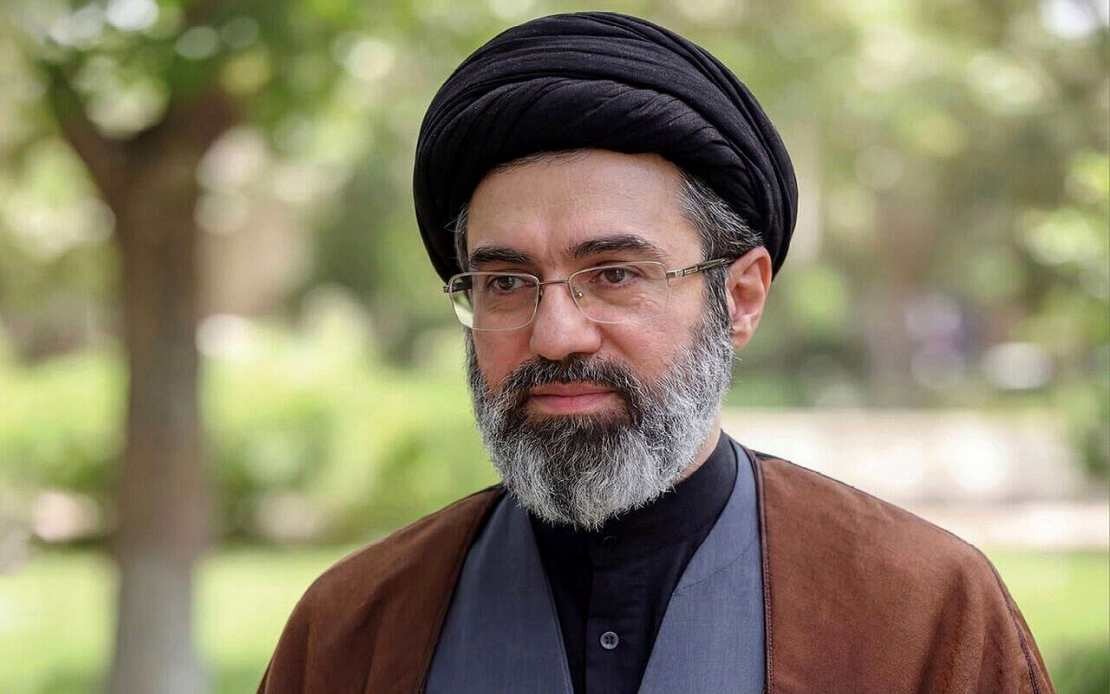
Iranian President Masoud Pezeshkian has publicly reassured the nation that Supreme Leader Mojtaba Khamenei is in excellent health, a statement that carries considerable weight given the significant leadership transition Iran has undergone in recent months. Pezeshkian made the declaration during an interview with state-run IRIB TV while discussing his recent extended meeting with Khamenei, providing what appears to be an attempt to dispel any lingering concerns about the country's paramount leader.
The seven-hour meeting between the two senior officials took place as Pezeshkian marked the beginning of his third year serving as president. This extended engagement signals an intensive working session that touched upon multiple critical dimensions of Iran's governance and policy direction. The lengthy nature of the consultation underscores the depth of issues requiring attention at the highest levels of Iran's theocratic system, where both the presidency and the supreme leadership play interconnected yet distinct roles in national decision-making.
According to Pezeshkian's account, the supreme leader emphasized maintaining national unity and solidarity as paramount concerns, reflecting ongoing efforts to keep the country cohesive during a period of significant internal and external pressures. This focus on cohesion suggests awareness of potential fractures within Iranian society and institutional structures that require deliberate leadership attention. The emphasis on solidarity from the supreme leader appears directed at reinforcing institutional loyalty and national resolve during challenging circumstances.
The discussions between the two leaders encompassed bread-and-butter economic issues that directly affect ordinary Iranians' daily lives. Employment opportunities, housing availability, and the material well-being of the population emerged as priority topics, indicating recognition that governance success ultimately depends on addressing citizens' fundamental needs. Such concerns have become increasingly salient in Iran given years of economic strain and the impact of international sanctions on purchasing power and job creation.
Sanctions-related challenges featured prominently in the presidential account of the meeting. Pezeshkian specifically highlighted discussions about problems stemming from international economic restrictions, a persistent headache for Iranian policymakers seeking to manage an economy operating under significant external constraints. The acknowledgment of sanctions' consequences reflects the reality that Iran's leadership cannot ignore the practical consequences of isolation, even as it maintains defiant rhetoric toward external pressure.
The timing of this public affirmation of the supreme leader's health is not incidental. Mojtaba Khamenei assumed the position of Supreme Leader following the death of his father, Ali Khamenei, who was killed in joint United States and Israeli military strikes on February 28. His selection by Iran's Assembly of Experts in March marked a dramatic succession event that reshaped the country's top leadership and triggered international attention regarding both the transition's legitimacy and stability implications.
Notably, Mojtaba Khamenei has maintained a remarkably low public profile since his election, avoiding public appearances and maintaining distance from media coverage. This approach contrasts sharply with typical expectations for a supreme leader in a system that relies heavily on the paramount leader's visibility and perceived authority. The absence of public appearances has inevitably generated speculation and rumors within Iran and internationally about various matters ranging from health issues to questions about his consolidation of control.
Pezeshkian's deliberate public statement therefore serves multiple purposes simultaneously. By personally vouching for the supreme leader's excellent health condition, the president attempts to counter circulating rumors and speculation that might undermine confidence in the new leadership. Such reassurances matter significantly in Iranian politics, where perceptions of strength and capability directly influence both domestic stability and Iran's international standing. For Southeast Asian observers, this dynamic illustrates how leadership transitions in strategically important nations can trigger uncertainty that reverberates through regional geopolitics.
The substantive content of the presidential commentary, focusing on employment, housing, and sanctions management, suggests that despite the dramatic leadership transition, Iran's governance apparatus continues grappling with enduring structural challenges. These economic and social priorities would likely persist regardless of who occupies the supreme leader position, but addressing them effectively remains crucial for regime legitimacy and public support. For Malaysia and other Southeast Asian nations maintaining diplomatic and trade relationships with Iran, the stability of Iran's economy and society holds direct implications for bilateral engagement possibilities.
The meeting between Pezeshkian and Mojtaba Khamenei also demonstrates that despite the succession uncertainty, institutional frameworks within Iran's theocratic system continue functioning. The existence of regular high-level consultations between the presidency and supreme leadership suggests that power-sharing arrangements remain operational, even if questions persist about the ultimate authority distribution and decision-making processes. This institutional continuity provides some reassurance to international observers concerned about potential state fragmentation or institutional breakdown following the dramatic February succession event.

