Iran's Parliament Speaker Mohammad Bagher Qalibaf has drawn a firm line in response to escalating tensions with the United States, declaring on Thursday that control over the Strait of Hormuz rests entirely with Tehran and cannot be seized through military pressure or threats. His comments, posted on social media platform X, represent a significant rhetorical escalation following a fresh round of American airstrikes launched against Iranian targets in the country's southern and southeastern regions.
The Iranian leadership's defiant stance reflects growing frustration with what officials characterise as a pattern of broken commitments and coercive tactics by Washington. Qalibaf's assertion that "the US has yet to learn that bullying and breaking promises no longer come without cost" signals that Tehran views the latest military operations not as legitimate security measures but as illegitimate aggression designed to weaken its regional position. This framing is critical for understanding how Iran's political establishment seeks to maintain domestic unity and nationalist sentiment amid external pressure.
The specific warning that "if you strike, you will be struck" carries considerable weight given the ongoing cycle of military escalation in the region. Iran has repeatedly demonstrated its capacity to conduct retaliatory operations against US interests and allied facilities across the Middle East, including through proxy forces and direct action. For Malaysian readers and broader Southeast Asian observers, this tit-for-tat dynamic carries implications for regional stability and international commerce, given the peninsula's dependence on uninterrupted maritime trade routes through Middle Eastern waterways.
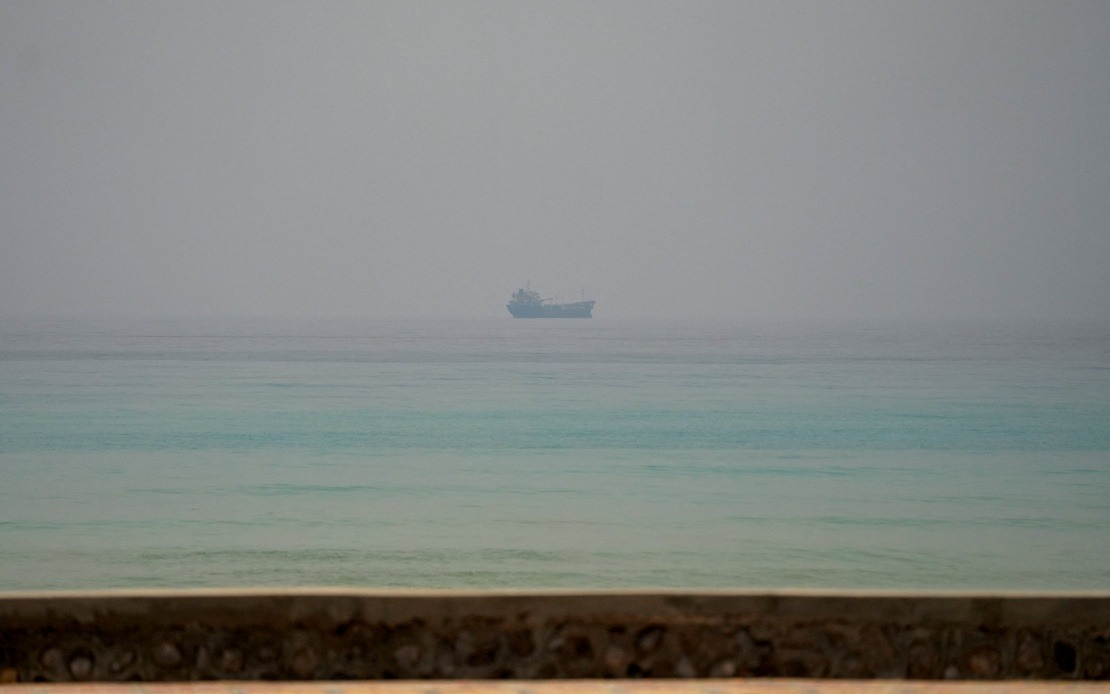
The Strait of Hormuz remains one of the world's most strategically significant chokepoints, with roughly one-third of global seaborne traded oil passing through its narrow corridors annually. Any sustained disruption would reverberate across Asian energy markets, including Malaysia's own fuel and electricity generation infrastructure. The Iranian government's reassertion of control over this waterway should be understood not merely as nationalist rhetoric but as a declaration of intent to leverage its geographic position as a counterweight to American military superiority in the region.
The US Central Command's characterisation of its strikes as aimed at "further degrading Iran's ability to threaten freedom of navigation" presents a fundamentally different interpretation of events. From the American perspective, the operations represent defensive measures intended to preserve the principle of open passage through international waters. However, this framing overlooks the Iranian perspective that positions itself as defending its own sovereignty against what it views as hostile incursions into its airspace and territorial vicinity.
The latest military exchange reflects deeper structural tensions between Iran and the United States that extend beyond immediate tactical concerns. The Biden administration has maintained pressure on Iranian military capabilities while simultaneously attempting to revive diplomatic channels through nuclear negotiations. This contradictory approach—combining military strikes with diplomatic overtures—has consistently proven ineffective in shifting Iranian calculus or inducing behavioural changes.
For regional powers and maritime-dependent economies like Malaysia, the deteriorating security environment presents genuine challenges. Insurance and shipping costs already reflect heightened risk premiums for transit through Persian Gulf waters. A sustained military confrontation could force longer routing alternatives, increasing operational costs for regional shipping industries. Moreover, the potential for accidental escalation or miscalculation remains ever-present when military forces operate in close proximity with deteriorating communication channels.
Qalibaf's emphasis on "Iranian arrangements" rather than international legal frameworks or multilateral agreements underscores Tehran's preference for unilateral control mechanisms. This approach differs markedly from proposals by some international actors for establishing multilateral security arrangements in the Gulf that would include regional stakeholders. Iran's historical experience with external intervention and sanctions has reinforced a strategic preference for self-reliance and autonomous decision-making rather than interdependent security architectures.
The parliamentary speaker's prominence in delivering these messages is itself significant, suggesting coordination across Iran's political leadership rather than isolated commentary. Iran's parliament, while constrained by the supreme leader's ultimate authority, still represents important constituencies and reflects broader elite consensus. The fact that Qalibaf—a figure with significant hardline credentials—is articulating this position indicates that resistance to American pressure commands wide support across Iran's political spectrum.
The international community, including Southeast Asian nations, faces mounting pressure to address the broader crisis underlying these confrontations. Renewed American sanctions combined with military operations have further isolated Iran economically and diplomatically, potentially reducing incentives for restraint. Historical precedent suggests that escalatory cycles become increasingly difficult to reverse once military operations commence, requiring urgent diplomatic intervention to establish de-escalation mechanisms.
Looking ahead, the sustainability of Iranian assertions regarding control over the Strait remains dependent on its ability to back rhetoric with credible military capacity. Continued American strikes designed to degrade that capacity will inevitably test the limits of Iranian endurance and potentially trigger responses that further destabilise the region. For Malaysia and other maritime trading nations, the outcome of this strategic contest carries profound implications for shipping routes, energy costs, and regional security architecture for years to come.

