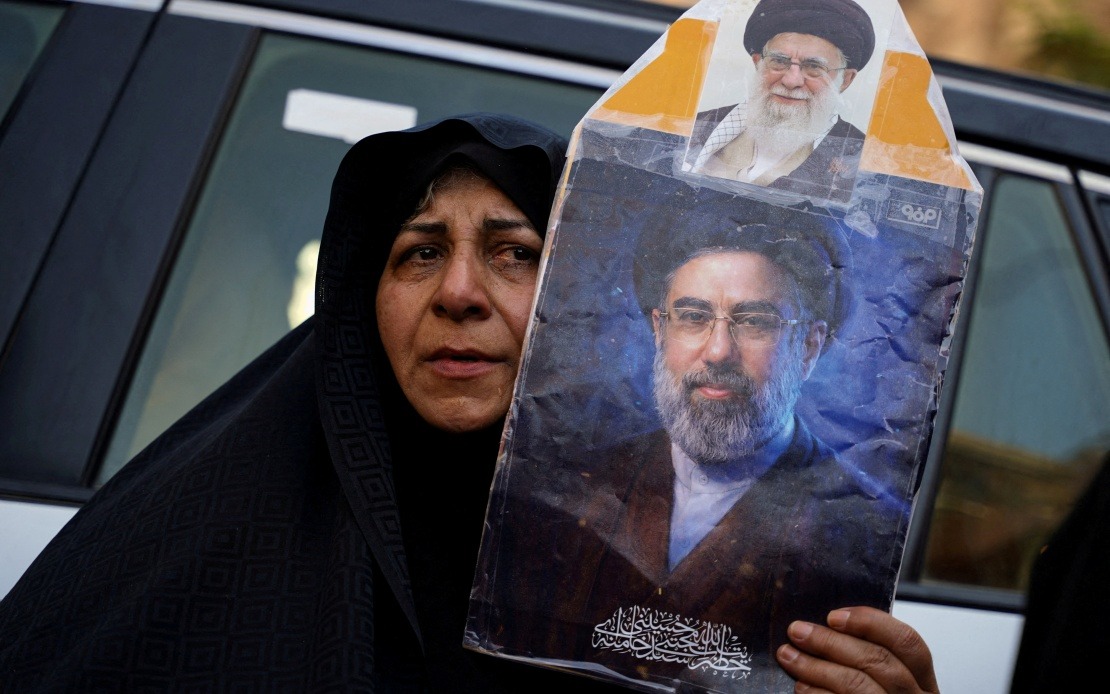
Iran's Supreme Leader Mojtaba Khamenei has branded the signature of US President Donald Trump on a peace memorandum of understanding signed barely a month ago as fundamentally worthless and untrustworthy, accusing Washington of systematic violations that undermine any future diplomatic efforts. Speaking in a Saturday message to the Iranian people addressing national concerns, Khamenei used increasingly hardened language to characterise American conduct, suggesting that recent breaches have vindicated longstanding Iranian scepticism toward US commitments.
The memorandum in question, signed on June 18 between Trump and Iranian President Masoud Pezeshkian, had established a framework for comprehensive negotiations toward a final settlement within a 60-day window. The agreement represented a significant diplomatic opening after years of tension between the two nations, with both sides initially appearing to embrace the prospect of sustained dialogue and conflict de-escalation. Yet the fragile accord has rapidly deteriorated into recrimination and renewed military posturing, rendering the document essentially defunct after just weeks.
Khamenei's rhetoric suggests that the Iranian leadership views the breakdown as confirmation of what it regards as inherent American unreliability in international agreements. By characterising Trump's signature as lacking validity or binding force, the Supreme Leader is signalling to domestic audiences that Iranian security cannot depend on American promises. This framing carries significant implications for regional stability, as it diminishes incentives for Tehran to seek negotiated settlements and may encourage more assertive Iranian responses to perceived threats.
The Supreme Leader also invoked broader critiques of American conduct, describing the United States as having "revealed its true and unmasked face" and characterising the relationship as defined by "crime, breach of promises, lying, and illogical, unreliable, and evil nature." Such language, while reflective of long-standing Iranian revolutionary ideology, indicates a hardening of positions within Iran's political establishment at precisely the moment when diplomatic channels should be functioning most actively. The inflammatory rhetoric suggests that moderate voices urging continued dialogue with Washington may face internal pressure from more hardline factions.
Tensions have escalated sharply despite the MoU's existence, with the United States conducting multiple military strikes against Iranian targets in recent days. These operations appear designed to degrade Iranian military capabilities and deter regional allies aligned with Tehran. In response, Iran has launched retaliatory attacks against American military installations and assets throughout the broader Middle East, creating a cycle of escalation that threatens to spiral beyond either nation's immediate control. This tit-for-tat dynamic undermines the supposed purpose of the June agreement, which was to arrest precisely this kind of destructive pattern.
On the same Saturday that Khamenei issued his statement, Iran's Deputy Foreign Minister for Legal and International Affairs Kazem Gharibabadi announced that Tehran was formally ceasing compliance with the MoU's obligations. This represents an extraordinary move, effectively placing responsibility for the agreement's collapse squarely on American shoulders. By publicly renouncing Iranian commitments, Gharibabadi telegraphed to Washington that Iran views the diplomatic process as exhausted and is preparing to operate under conditions of open hostility rather than managed restraint. The decision to suspend compliance rather than formally withdraw suggests Iranian officials are leaving a theoretical pathway for future negotiations, though such pathways appear increasingly theoretical rather than practical.
For Malaysia and Southeast Asia, the collapse of the Iran-US agreement has troubling implications. The region's economies depend heavily on stable energy supplies and uninterrupted shipping through critical maritime corridors vulnerable to escalating US-Iran conflict. Any further deterioration in the Gulf situation could disrupt oil markets, increase regional military expenditures, and create refugee pressures that echo across Asia. Malaysia's delicate balancing act in managing relationships with both Western and Islamic-majority nations becomes more complex when major powers engage in open hostility.
The breakdown also demonstrates how quickly diplomatic achievements can evaporate without sustained commitment from all parties. The June agreement, despite its brief life, showed that direct engagement between the United States and Iran remained theoretically possible. Its rapid unravelling suggests that underlying structural obstacles—including mutual mistrust, competing regional ambitions, and competing domestic political pressures—remain fundamentally unresolved. For aspiring peacemakers in other regional disputes, the Iran-US experience offers a cautionary lesson about the fragility of agreements lacking deep institutional anchoring or mutual verification mechanisms.
Khamenei's threat of "unforgettable lessons" should the United States continue its military operations signals that Iranian responses may escalate beyond current levels. This escalatory rhetoric, combined with Iran's formal suspension of compliance with the MoU, creates dangerous conditions where either side might miscalculate and trigger wider conflict. The Supreme Leader appears to be preparing Iranian domestic opinion for an extended period of confrontation, positioning the government as defending national interests against American aggression rather than as a partner in negotiation.
The collapse of the agreement also reshapes the political landscape within Iran itself. The Pezeshkian administration, which had staked considerable political capital on the June agreement as evidence of a new diplomatic opening, now faces domestic criticism from hardliners who never supported engagement with Washington. By publicly aligning with Khamenei's narrative of American betrayal, the government attempts to maintain political coherence around a nationalist position, though this may limit future options for reconsidering diplomacy. Iranian moderates who advocated for the agreement now confront a drastically altered negotiating environment.
The practical consequences of Iran's suspension of MoU compliance remain to be determined. The memorandum did not specify concrete military limitations, meaning Iranian non-compliance may involve threatening rhetoric rather than material changes in military posture. However, if Iran interprets its release from MoU obligations as removing constraints on support for regional proxies or development of advanced weaponry, the implications for Gulf stability and broader international security would be substantial. The international community will watch closely for signals about Iran's precise interpretation of what suspended compliance means operationally.
Looking forward, the complete failure of the June memorandum within weeks of its signature may discourage both parties from serious negotiation for an extended period. The diplomatic damage extends beyond bilateral relations, potentially weakening international confidence in American commitments to agreements and raising questions about Trump's willingness or ability to maintain sustained diplomatic engagement. For other nations contemplating agreements with Washington, the Iran experience suggests that even recently signed commitments may lack durability if domestic political conditions shift or if initial expectations prove unrealistic.

