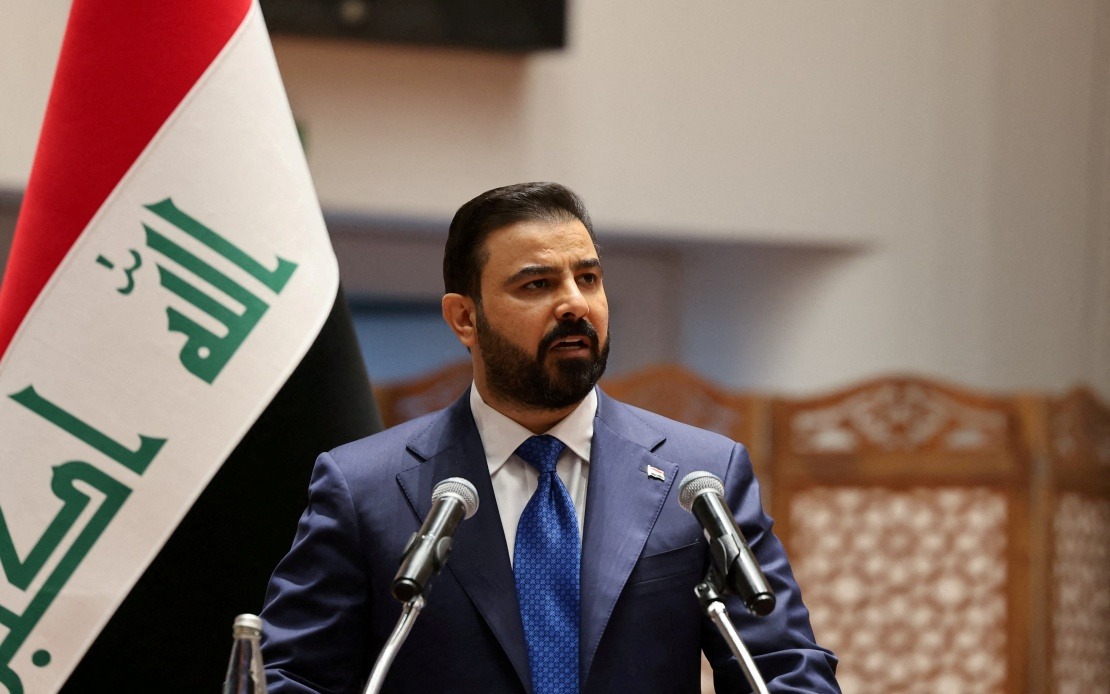
Iraq has firmly committed to remaining within OPEC and will not abandon its membership in the oil-producing cartel, according to Prime Minister Ali Al-Zaidi, who stated the country's intention to secure an equitable production quota. Speaking to the Al-Hadath broadcaster on Thursday, Al-Zaidi underscored Baghdad's ongoing participation in the Organisation of the Petroleum Exporting Countries despite mounting pressures and geopolitical complexities affecting global energy markets.
The statement comes at a critical juncture for Iraq's energy sector, which faces competing demands from both international obligations and domestic economic needs. Iraq, as a major oil producer in the Middle East, has long relied on petroleum revenues to fund its government operations and reconstruction efforts following decades of conflict. By reaffirming its OPEC membership, Al-Zaidi is signalling stability in Baghdad's approach to energy policy and its willingness to cooperate with the cartel's production management framework.
Central to Iraq's position is the ongoing negotiation over its production quota within OPEC. The country has raised concerns about the fairness of its allocation relative to its proven reserves and productive capacity. Earlier this month, OPEC announced revised production targets for several members, with Iraq receiving an increase of 26,000 barrels per day, bringing its total quota to 4.405 million barrels per day as of August. While this represents an upward adjustment, Iraqi officials appear to believe their allocation does not fully reflect the nation's potential output.
The OPEC decision also increased production allowances for other Gulf states: Kuwait was granted an additional 16,000 barrels daily, raising its ceiling to 2.66 million barrels per day, while Oman received an increase of 5,000 barrels daily to reach 836,000 barrels per day. The variation in percentage increases has prompted Iraqi leadership to scrutinise the methodology behind quota assignments and to advocate for adjustments that better correspond with production capabilities and reserve estimates.
Iraq's pursuit of a revised quota reflects broader dynamics within OPEC, where member states frequently negotiate their respective allowances based on claims about their technical capacity to produce. The cartel's quota system is designed to stabilise global oil prices by managing aggregate supply, but member states inevitably dispute how fairly available production is distributed among them. For Iraq, which possesses substantial unexploited reserves and has invested in capacity expansion, the current allocation represents a constraint on revenue generation.
The Iraqi Oil Ministry has been actively engaged in this process. Earlier in June, ministry spokesman Salim Al-Ruqabi indicated that OPEC+ had initiated a comprehensive assessment of Iraq's oil production capacities with the goal of reassessing the country's quotas. This technical review suggests that Baghdad intends to furnish OPEC with data substantiating its claims about productive potential, leveraging engineering studies and field assessments to bolster its negotiating position for higher allocations.
For Malaysia and other Southeast Asian nations, Iraq's commitment to OPEC stability carries implications for regional energy security and global oil price dynamics. Iraq remains a significant supplier to Asian markets, and its production decisions influence crude prices throughout the region. A stable, engaged Iraq within OPEC provides more predictable supply arrangements than might occur if Baghdad were to withdraw or radically adjust its policies. Malaysian consumers and businesses with exposure to energy costs benefit from OPEC's management of global supply.
The broader geopolitical context surrounding Iraq's OPEC participation cannot be overlooked. Amid tensions in the Persian Gulf, questions about Western sanctions regimes, and shifts in global energy demand toward renewables, Iraq's reaffirmation of its commitment to the cartel demonstrates a pragmatic approach to leveraging its hydrocarbon resources. Rather than pursuing an independent energy policy outside the cartel framework, Baghdad is working within established mechanisms to advance its interests.
Al-Zaidi's emphasis on fairness in quota allocation also reflects domestic political pressures within Iraq. The government derives substantial revenues from oil exports, which are essential for meeting state payroll obligations, funding security forces, and financing reconstruction projects. Citizens expect their government to maximise revenue from national resources, creating political incentives for officials to pursue the most favourable quota terms available. By publicly declaring Iraq's expectation of equitable treatment, Al-Zaidi addresses these domestic constituencies.
The ongoing capacity assessment initiated by OPEC+ is likely to extend through the coming months as technical teams evaluate Iraq's production infrastructure and future development plans. Should Iraq successfully demonstrate expanded productive capacity, the cartel may respond with quota adjustments in subsequent reviews. However, OPEC quota decisions involve complex negotiations where political relationships and cartel cohesion considerations sometimes outweigh purely technical assessments of capacity.
Moving forward, Iraq's negotiating position within OPEC will depend on its ability to credibly demonstrate production capacity increases and to maintain diplomatic engagement with other key producers. The country's commitment to remain in the cartel, rather than pursue independent production strategies, positions it as a cooperative stakeholder interested in OPEC's long-term functioning. This approach contrasts with more confrontational strategies that some nations have occasionally adopted and generally supports orderly energy market development.

