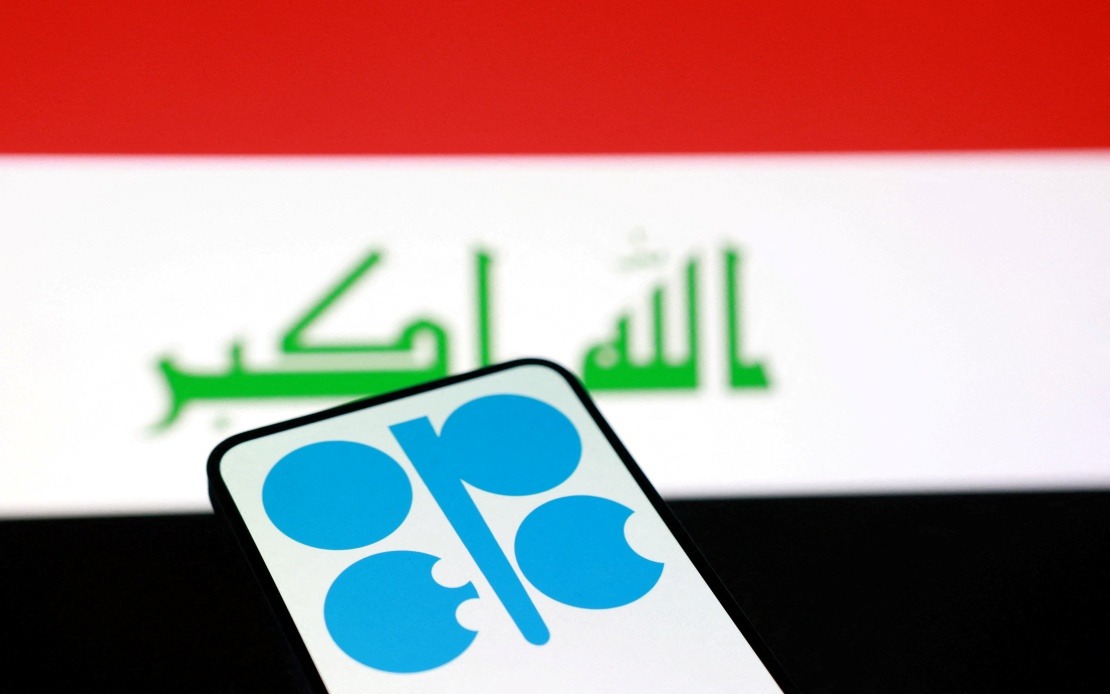
Iraq's Oil Ministry has forcefully rejected recent reports suggesting that the country might consider withdrawing from OPEC, dismissing such characterizations as misrepresentations of Baghdad's actual position. The clarification came after international media outlets reported that Iraq could potentially reconsider its membership if the Organization of the Petroleum Exporting Countries failed to raise its production quota. Iraqi officials stressed that neither the Prime Minister nor the broader government apparatus has entertained any discussion of leaving the cartel, signaling instead a desire to work constructively within OPEC's existing framework to address longstanding grievances about its output allocation.
The central contention at the heart of Iraq's position concerns the mechanism through which OPEC determines production ceilings for member states. Rather than seeking an exit from the organization, Baghdad has consistently advocated for a comprehensive reassessment of these output limits in ways that accurately reflect each nation's genuine productive capacity. Iraqi policymakers emphasize that such recalibration should account for the country's particular circumstances, including its distinct security challenges, ongoing economic reconstruction needs, and the infrastructure damage accumulated over decades of conflict and international sanctions.
According to statements attributed to Oil Ministry spokesman Salim Al-Rikabi, Iraq maintains unwavering commitment to OPEC's institutional framework and working mechanisms. However, this commitment comes with an explicit expectation that the organization must acknowledge Iraq's capacity to expand production substantially and adjust quota assignments accordingly. Al-Rikabi articulated that Iraq intends to augment output in line with what the country views as its operational and economic requirements, and that OPEC should validate and accommodate these expansion plans through corresponding quota increases.
To address production quota controversies, OPEC and its allied producers have already initiated a formal review process designed to reassess the maximum sustainable production capacity of individual member states. This technical evaluation involves coordination with an independent international consulting firm and features active participation from Iraq throughout the assessment procedure. The ministry indicated that this capacity-focused methodology represents a significant step toward resolving disputes over quota assignments, as it grounds such decisions in empirical technical analysis rather than historical precedent or political negotiation alone.
The broader OPEC+ framework has also begun executing a gradual restoration of production levels that had previously been subject to voluntary reductions. According to Iraq's Oil Ministry, this phased unwinding of production cuts is expected to accelerate during the coming months, with full resumption of normal output levels targeted for implementation. Officials anticipate that this production expansion will naturally strengthen Iraq's effective production ceiling, creating additional capacity for the country to boost exports without triggering quota violations.
For Malaysian and Southeast Asian energy analysts, Iraq's internal dynamics within OPEC carry significant implications for regional oil markets and economic outlooks. As a major crude exporter with substantial reserves, Iraq's production levels directly influence global supply dynamics and price trajectories that affect importing economies across Asia. Any substantial shift in Iraqi output, whether through quota adjustment or unilateral expansion, would ripple through regional energy costs and geopolitical alignments within OPEC.
The Iraqi government contends that member states have demonstrated understanding of its "special situation," characterized by more than four decades of cumulative damage from warfare, international embargoes, and infrastructure destruction caused by terrorist attacks targeting oil facilities. These circumstances, Baghdad argues, warrant special consideration when allocating production quotas and deserve acknowledgment as extenuating factors that constrain Iraq's output independent of technical or operational limitations. The ministry positions this historical context as essential background for comprehending why Iraq requires quota adjustments to achieve what it characterizes as a "fair" production level.
Geopolitically, Iraq's aspirations to reclaim its historical role as OPEC's second-largest producer reflect both economic necessity and strategic importance within the cartel. The country's vast reserve base, estimated to be among the world's largest, theoretically positions Iraq as capable of substantial production expansion if infrastructure investments and security conditions improve. However, realizing this productive potential requires both internal stabilization and external recognition through OPEC quota mechanisms that acknowledge Iraq's genuine capabilities rather than historical allocations established during periods of sanctions and conflict.
The technical reassessment process now underway within OPEC carries particular significance because quota determinations for 2027 will likely hinge on the results of capacity evaluations. This forward-looking timeline gives Iraq approximately two years to demonstrate improved productive infrastructure and secure consensus recognition of enhanced capacity levels. The timing creates both opportunity and urgency for Baghdad, as any demonstrated production gains could serve as evidence supporting quota increase arguments during negotiations.
Iraq's emphasis on consensus-based technical mechanisms rather than confrontational withdrawal threats suggests a calculated diplomatic strategy. By framing the issue as a technical capacity question amenable to expert analysis and objective measurement, rather than as a political dispute, Iraqi officials attempt to depoliticize quota negotiations and anchor discussions in purportedly neutral criteria. This approach allows Baghdad to maintain firm advocacy for its interests while preserving the collaborative institutional relationships necessary for long-term OPEC cooperation.
The broader context of OPEC's ongoing evolution also influences Iraq's positioning. The cartel has increasingly emphasized data-driven decision-making and technical expertise as means of adjudicating between competing member interests. Iraq's robust engagement with the independent consulting firm conducting capacity assessments reflects an understanding that providing detailed production data and participating actively in technical evaluation processes represents the most promising pathway to quota improvements within contemporary OPEC governance structures.
For oil market observers monitoring OPEC dynamics, Iraq's situation exemplifies the tension between historical quota allocations and contemporary production realities. As member states modernize infrastructure and enhance technical capabilities, existing quota assignments may increasingly diverge from what economies can actually produce. The current reassessment process, if conducted transparently and based on rigorous technical criteria, could establish precedent for more flexible and capacity-responsive quota mechanisms across OPEC's broader membership, ultimately creating more efficient market outcomes for both producers and consumers.

