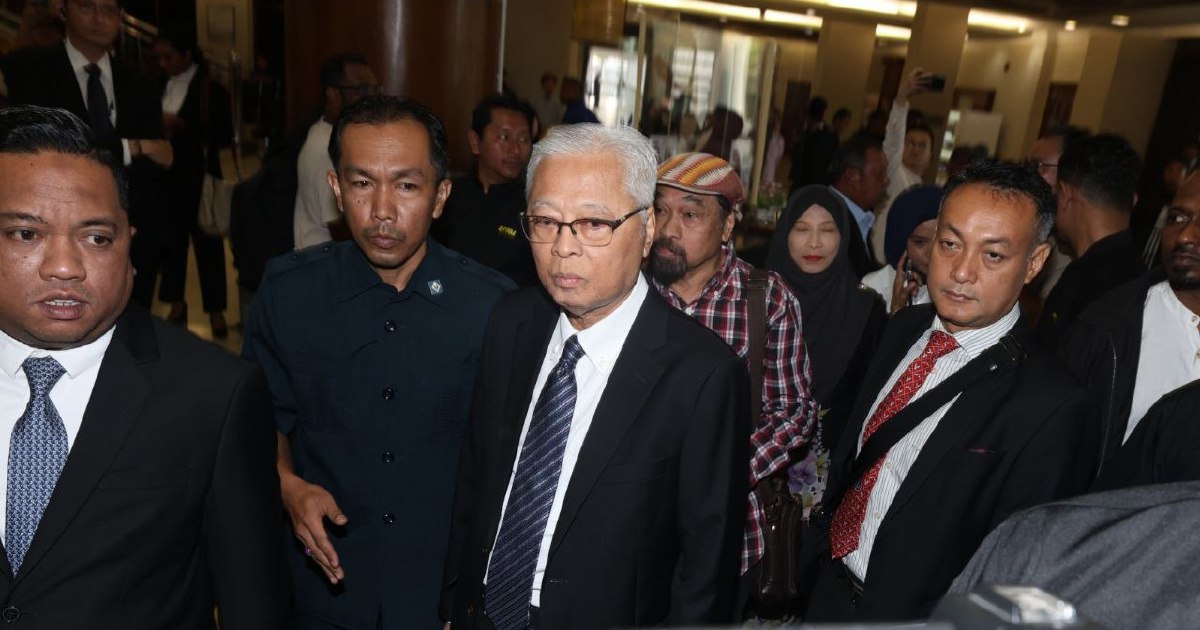
Former Prime Minister Datuk Seri Ismail Sabri Yaakob appeared before the Sessions Court in Kuala Lumpur, where he faced charges relating to his alleged failure to declare assets as required by law. The court appearance represents a significant moment in Malaysia's ongoing efforts to enforce accountability mechanisms for public office holders, drawing considerable attention from observers monitoring the country's anti-corruption measures and governance standards.
The charge against the former premier underscores the increasing emphasis by Malaysian authorities on ensuring that high-ranking political figures comply with mandatory asset declaration requirements. These obligations form a cornerstone of transparency measures designed to prevent conflicts of interest and maintain public confidence in government institutions. The specifics of what assets were allegedly omitted from official declarations and the timeline involved remain central to the legal proceedings.
Ismail Sabri's tenure as Prime Minister, which ended in August 2022 when he tendered his resignation, has since become the subject of various legal and parliamentary scrutinies. This particular case reflects the broader context of Malaysia's post-2018 transition period, during which multiple former senior officials have faced judicial examination. The cases have prompted substantial public discourse about whether enforcement of asset declaration rules is being applied consistently across the political spectrum.
For Malaysian readers and regional observers, the case carries implications beyond the individual defendant. It signals that persons in the highest echelons of government remain subject to the same legal frameworks as other public servants, at least in theory. The court's handling of the matter will likely influence perceptions about judicial independence and the effectiveness of Malaysia's anti-corruption apparatus, particularly given the prominence of the accused.
The Sessions Court jurisdiction selected for the proceedings reflects the seriousness with which authorities are treating the allegations. Asset declaration violations typically fall under specific statutes governing transparency and financial disclosure by government officials. The exact nature of the charge—whether involving partial concealment, complete failure to submit required documentation, or submission of incomplete information—will shape the case's trajectory and potential precedents.
Political analysts in Malaysia have noted that cases involving former prime ministers tend to generate substantial media coverage and public interest, both domestically and internationally. This visibility places additional pressure on judicial officers to ensure proceedings are conducted with transparency and adherence to procedural fairness. The outcome could influence how future cases involving high-profile political figures are approached by enforcement agencies and courts.
The broader context includes Malaysia's ratification of international anti-corruption conventions and commitments made during UNCAC (United Nations Convention Against Corruption) reviews. Enforcement of asset declaration requirements demonstrates compliance with these international standards, though implementation consistency remains a matter of public concern. Regional jurisdictions frequently observe such high-profile cases as benchmarks for assessing the robustness of a country's institutional framework.
For the defence, the proceedings will test arguments regarding the interpretation of asset declaration obligations, possible technical difficulties in compliance, and whether procedural requirements were properly followed during investigation and charging stages. Legal expertise will likely centre on whether declarations were genuinely incomplete or whether ambiguities in the regulatory framework created confusion about what constituted reportable assets.
The case's progression through the courts will unfold over an extended period, potentially involving multiple hearings, document examinations, and witness testimony. Court observers note that sessions involving former prime ministers typically attract heightened judicial scrutiny, ensuring that legal procedures are scrupulously followed. Each stage of the proceedings will likely generate public comment and analysis regarding the state of Malaysia's governance frameworks.
For regional investors and businesses operating in Malaysia, cases addressing asset transparency and political accountability form part of the broader governance assessment. Malaysia's commitment to implementing and enforcing such requirements influences international perceptions of regulatory reliability and institutional strength. The consistency and fairness of such enforcement thus carries economic significance beyond the immediate legal outcome.
Moving forward, the case will likely inform discussions about strengthening asset declaration mechanisms, whether through enhanced technological systems, clearer definitional frameworks, or more robust training for public officials. Malaysian civil society organisations have periodically called for improvements to transparency requirements, and high-profile prosecutions sometimes catalyse policy reviews. The courts' handling of this matter may influence whether legislators consider amendments to existing statutes.
The appearance of a former prime minister before the courts remains relatively uncommon in Malaysian politics, making this case noteworthy within the nation's constitutional and political history. How the judicial system navigates the proceedings will contribute to broader narratives about Malaysian democracy, the rule of law, and institutional maturity. Both supporters and critics of the incumbent government will monitor developments closely for signals about political impartiality and enforcement consistency.

