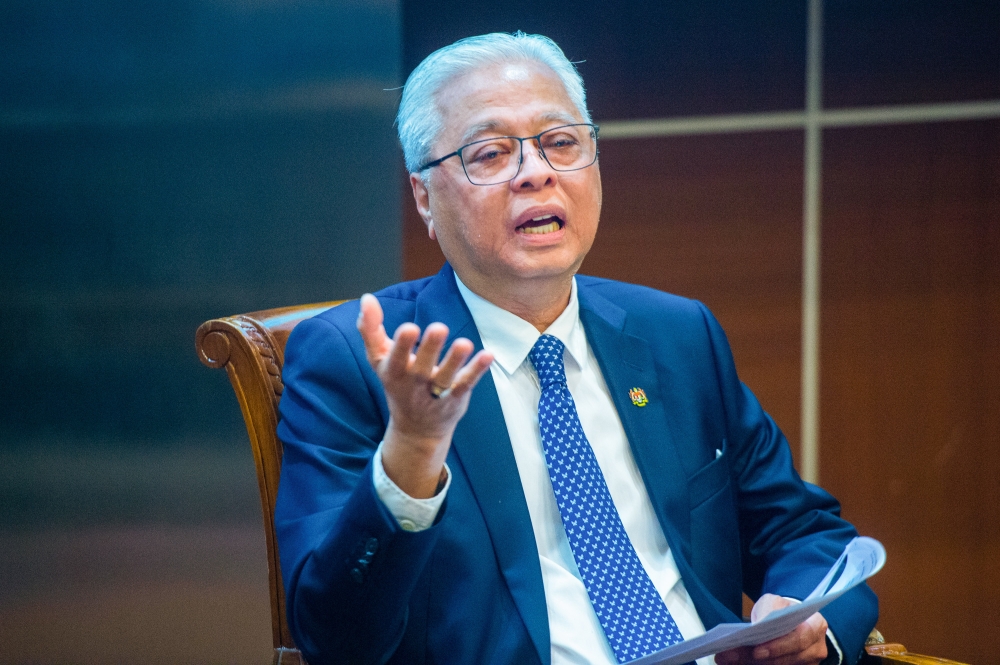
Former Prime Minister Datuk Seri Ismail Sabri Yaakob has been declared stable after undergoing successful pacemaker implantation at Institut Jantung Negara (IJN) in Kuala Lumpur. The medical intervention, which addresses his cardiac condition, marks a significant health development for the prominent political figure who led Malaysia between August 2021 and November 2022.
The procedure at Malaysia's premier cardiac care facility went according to plan, with medical personnel confirming that no complications emerged during the implantation process. Pacemaker surgery, a routine yet crucial intervention in modern cardiology, involves the surgical placement of a device that helps regulate abnormal heart rhythms. For political figures of Ismail Sabri's stature, such health matters attract considerable public attention given their implications for continued public engagement and political involvement.
Ismail Sabri's medical journey reflects broader healthcare patterns among senior Malaysian politicians and public figures who, as they advance in age, increasingly require specialized cardiac interventions. The decision to proceed with pacemaker implantation suggests that his medical team identified significant arrhythmia concerns warranting device-based therapy. This approach represents contemporary best practice in managing heart rhythm disorders that cannot be adequately controlled through medication alone.
The choice of IJN for the procedure underscores confidence in Malaysia's domestic cardiac medicine capabilities. The institution has established itself as a regional centre of excellence, attracting patients not merely from across the country but throughout Southeast Asia seeking advanced cardiovascular treatment. That a former prime minister opted for local facilities rather than seeking treatment abroad signals the quality of available medical expertise and infrastructure within the country.
Ismail Sabri remained relatively active in political and public affairs following his departure from the premiership, despite occasional health-related absences that may have reflected underlying cardiac considerations. His continued engagement in United Malays National Organisation (UMNO) party activities and parliamentary proceedings made him a visible presence in Malaysian political discourse. The successful completion of this procedure may enable him to maintain such involvement with greater confidence regarding his cardiovascular stability.
The pacemaker implantation process typically involves inserting the device beneath the collarbone, with leads extending to the heart chamber to monitor and regulate electrical impulses. Recovery from such procedures is generally swift, with many patients resuming normal activities within several weeks under medical guidance. For Ismail Sabri, this timeline may permit renewed participation in political responsibilities and public commitments, though post-operative protocols will likely necessitate gradual resumption of full activities.
From a broader Malaysian perspective, the incident highlights the critical role that specialist medical infrastructure plays in supporting the country's political and administrative elite. The ability to access world-class cardiac care domestically reduces dependence on overseas treatment, enhancing both medical self-sufficiency and allowing the government to retain continuity in political leadership without prolonged absences. This consideration becomes particularly important during periods of political uncertainty or delicate coalition governance.
The timing of Ismail Sabri's medical intervention occurs against a backdrop of ongoing Malaysian political evolution. His tenure as prime minister represented a specific constitutional and political moment, succeeded by subsequent administrations that have navigated varying governance challenges. His continued participation in political discourse, enabled by successful management of his cardiac health, ensures that perspectives from his particular political era remain represented within UMNO and parliamentary proceedings.
Cardiac health among senior political figures inevitably becomes a matter of public record and concern, particularly in Westminster-influenced democracies where parliamentary attendance and legislative participation form core expectations of elected representatives. Successful interventions such as pacemaker implantation effectively reset the timeline for continued political engagement, allowing figures to project stability and capability. For Ismail Sabri specifically, the procedure's success removes a significant health variable from calculations regarding his future political trajectory.
The IJN's confirmation of stable recovery conditions provides reassurance to both Ismail Sabri's family and his political associates. Such health events, while medically routine in contemporary practice, carry symbolic weight within political contexts. A successful outcome demonstrates that serious cardiac conditions need not terminate the careers of senior politicians, provided they receive appropriate medical care and monitoring. This message carries particular significance across Southeast Asia, where political succession planning often intersects with considerations of health and longevity among aging leadership cohorts.
Looking forward, Ismail Sabri's post-operative recovery will likely involve regular monitoring through IJN's cardiac follow-up programme, ensuring that his new pacemaker functions optimally and that any rhythm disturbances are promptly detected and managed. Such ongoing medical supervision represents the contemporary standard for pacemaker recipients, regardless of their social or political status. The successful implantation effectively extends the period during which the former prime minister can continue contributing to Malaysian political discourse and UMNO party matters, circumstances benefiting both his personal interests and the broader political landscape.

