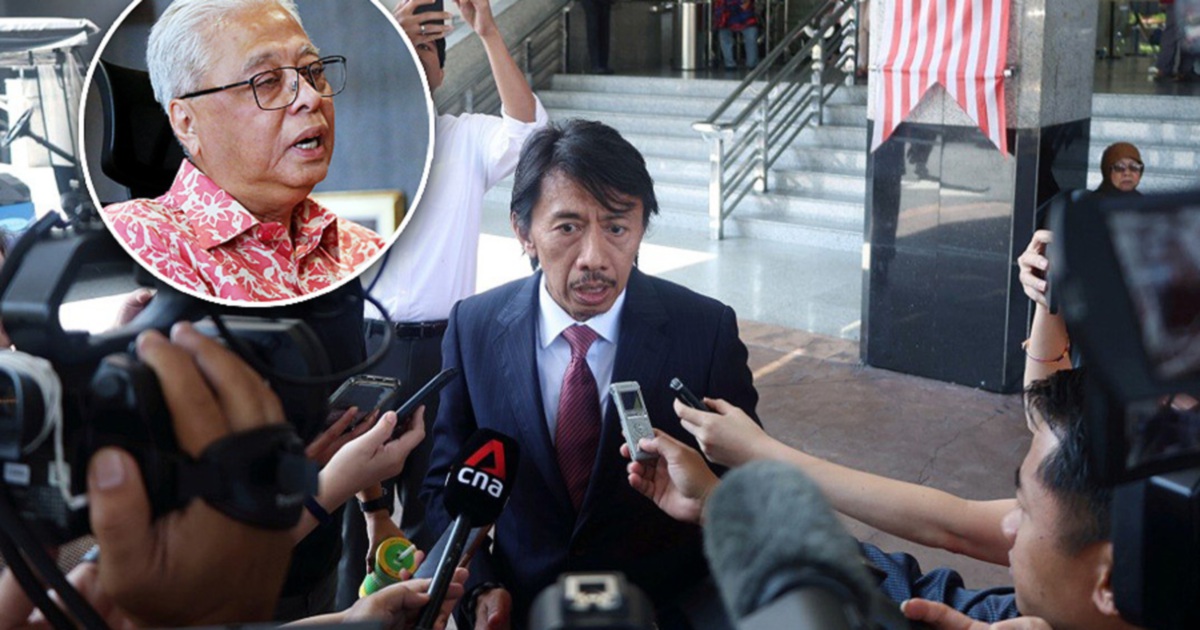
Former Prime Minister Datuk Seri Ismail Sabri Yaakob is moving forward with his legal defence strategy despite dealing with recent health difficulties, demonstrating unwavering resolve as he gears up to confront corruption charges brought by the Malaysian Anti-Corruption Commission in the coming weeks. The ex-premier's insistence on proceeding with his case underscores the political complexities surrounding Malaysia's ongoing anti-corruption efforts and the scrutiny facing senior government figures from the preceding administration.
The charges against Ismail Sabri mark a significant moment in Malaysia's post-2018 accountability landscape, where the courts have increasingly scrutinised the financial dealings of former political leaders. His case sits within a broader pattern of legal action targeting figures from the previous Barisan Nasional government, reflecting the shifting dynamics of Malaysian politics following the 2020 coalition realignment. The former premier's determination to contest the allegations head-on rather than pursue alternative arrangements suggests confidence in his legal position, or at minimum, a strategic choice to engage the judicial process directly.
Ismail Sabri's tenure as Prime Minister from August 2021 to August 2022 was characterised by attempts to stabilise Malaysia's political environment following the collapse of the Muhydin administration. During his premiership, he navigated complex negotiations between competing political factions while overseeing the government's response to the ongoing COVID-19 pandemic. However, the transition period also coincided with mounting scrutiny from anti-corruption authorities regarding the financial management of several government-linked initiatives and programmes from his earlier roles in the Cabinet.
The health setback referenced in his determination to proceed raises questions about the personal toll of prolonged legal proceedings on senior political figures in Malaysia. Public health matters involving prominent politicians often generate considerable media attention and speculation, yet Ismail Sabri's stated commitment to clearing his name suggests he views the legal process as essential to rehabilitating his political standing and protecting his legacy. This approach aligns with patterns observed among other senior figures facing accountability measures, who have similarly chosen to contest allegations rather than accept alternative dispute resolution mechanisms.
The Malaysian Anti-Corruption Commission has significantly expanded its investigative scope in recent years, examining transactions and decisions across multiple government agencies and statutory bodies. The agency's pursuit of cases against former leaders represents an institutional effort to establish accountability standards that transcend political transitions. For Ismail Sabri, the upcoming court proceedings will likely involve detailed examination of government contracts, allocation of funds, and decision-making processes during his tenure in various ministerial positions prior to his Prime Ministerial appointment.
From a governance perspective, the case reflects ongoing tension between Malaysia's desire to strengthen institutional accountability and the political complications that arise when high-profile figures face criminal charges. The courts, tasked with adjudicating these matters, must balance the public interest in anti-corruption enforcement against principles of due process and the presumption of innocence. Each significant ruling in Ismail Sabri's case will likely set precedents affecting how Malaysia approaches similar investigations involving other former officials.
The broader implications for Malaysian politics remain substantial. The former premier's constituency and political allies have largely maintained support despite the allegations, suggesting that factional loyalties within Malaysia's complex party system continue to shape public perception of corruption cases. Simultaneously, opposition figures and civil society groups view aggressive MACC action as a necessary corrective to historical patterns of impunity among political elites. This polarisation underscores how accountability mechanisms have become deeply entangled with Malaysia's broader political competition.
Regionally, Malaysia's handling of corruption cases involving former senior leaders attracts scrutiny from observers across Southeast Asia. Countries within the region grapple with similar challenges regarding political accountability, institutional independence of anti-corruption bodies, and the relationship between legal proceedings and political legitimacy. The court's ultimate verdict in Ismail Sabri's case may influence perceptions of Malaysia's commitment to rule of law in a regional context where such commitments are frequently questioned.
The forthcoming court hearings will demand significant resources from the judicial system and likely generate intense media coverage and political commentary. Ismail Sabri's legal team will presumably construct a defence strategy challenging the specific allegations while potentially critiquing the investigative procedures employed by the MACC. The government prosecutors, conversely, will present evidence supporting the charges. The quality of advocacy and evidence presented on both sides will substantially influence both the immediate outcome and the case's implications for future anti-corruption enforcement.
For Malaysian observers, the case represents a critical test of the country's institutional capacity to hold senior officials accountable through formal legal processes rather than through political mechanisms or summary dismissals. The willingness of a former prime minister to face charges in court, despite health complications and political pressures, may paradoxically strengthen public confidence in Malaysia's judicial system, assuming the proceedings unfold with transparency and procedural integrity. Conversely, any perception of irregularities or politically motivated action could undermine broader confidence in anti-corruption efforts and institutional legitimacy.
Looking ahead, the case will consume attention across Malaysia's political spectrum for several months as court dates approach and proceed. For Ismail Sabri personally, the legal battle represents both a challenge to his reputation and an opportunity to demonstrate vindication through judicial pronouncement. His resolve to continue despite health setbacks signals a politician determined to protect his standing and contest allegations through established legal channels rather than alternative approaches. The ultimate resolution will carry significance extending well beyond his personal circumstances into Malaysia's broader governance landscape.

