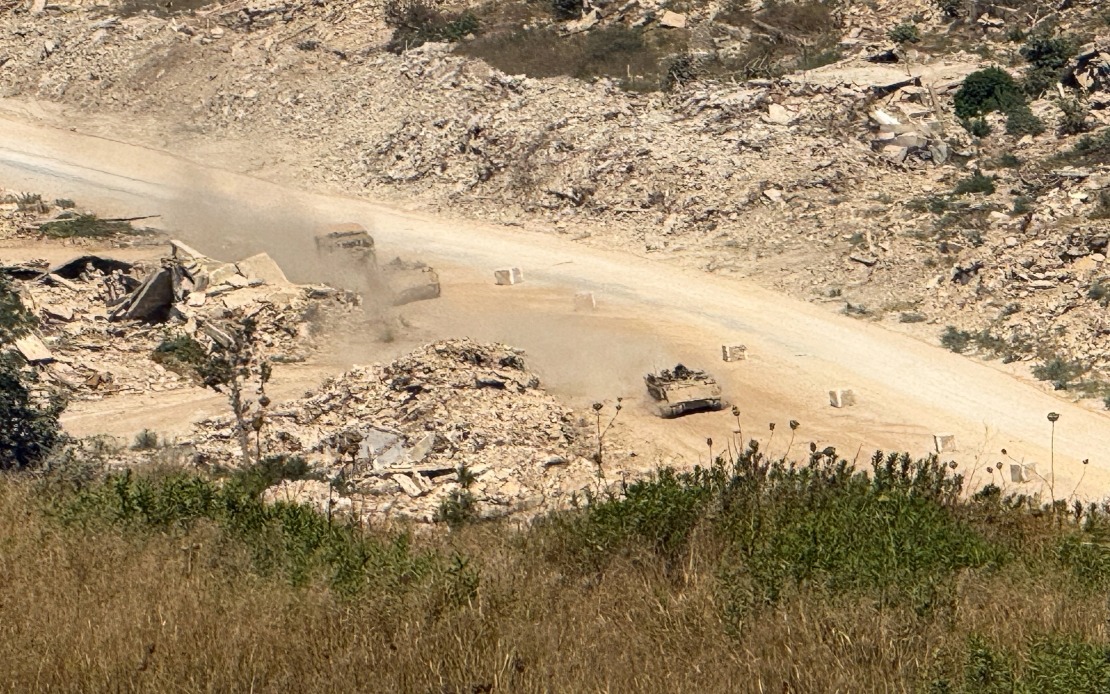
Tensions in the eastern Mediterranean intensified this week as the Israeli military intensified its campaign across southern Lebanon with a series of coordinated attacks, raising fresh doubts about the viability of diplomatic efforts to end months of conflict. According to reports monitored by Lebanese authorities on August 11, Israeli forces deployed multiple tactics including artillery bombardment, infantry advances, and the deliberate destruction of civilian homes across several vulnerable border communities, actions that representatives from Beirut characterise as systematic violations of established ceasefire protocols.
The reported operations unfolded across a broad geographical swath of southern Lebanon's most fragile regions. Machine gun fire targeted the Wadi al-Salouqi area in Nabatieh governorate, while the adjacent town of Mansouri absorbed sustained artillery fire through the night hours. The pattern of attacks extended beyond simple shelling; Israeli forces detonated explosives within the Mansouri vicinity and ignited numerous residential properties in the nearby settlement of Khiam, destroying family homes and rendering community infrastructure inoperable. Similar explosive detonations struck Kfar Tebnit within Nabatieh itself, further compounding the humanitarian toll across the region.
The scope of military engagement demonstrated sophisticated tactical coordination. Artillery positions pounded the outlying districts of Nabatieh al-Fawqa with intermittent fire, while ground forces advanced westward into the outskirts of Mays al-Jabal, supported by targeted bombardment of specific structures. Simultaneously, Israeli drone aircraft conducted low-altitude reconnaissance flights over the Zahrani area, suggesting integrated surveillance and strike capabilities designed to maintain pressure across the territory. These operations reflect a deliberate military strategy that extends beyond reactive defence into offensive manoeuvres designed to extend territorial control and disrupt civilian movement.
The timing of these military operations carries particular significance given the diplomatic landscape. Only days prior, negotiators from Lebanon and Israel concluded their seventh round of formal talks in Rome, where discussions centred upon implementing a framework agreement initially negotiated on June 26. Those discussions, facilitated by American diplomatic intermediaries, specifically addressed the mechanisms for gradual Israeli withdrawal from occupied Lebanese territory. Lebanese President Joseph Aoun offered cautiously optimistic statements on Friday, asserting that discussions had yielded positive momentum regarding border demarcation and the fate of detained individuals held by various parties.
The substantive framework under negotiation envisions a phased Israeli withdrawal from southern Lebanese territories, commencing through designated pilot zones in selected regions. In exchange, Lebanon would deploy its national armed forces throughout liberated areas and facilitate the disarmament of non-state military organisations, particularly Hezbollah, which has operated as a parallel military structure for decades. This arrangement essentially seeks to restore Lebanese state sovereignty over its southern frontier, an objective that has eluded Lebanon throughout Israel's intermittent occupation spanning multiple decades and intensifying since the recent 2023-2024 escalation.
However, the apparent contradiction between ongoing diplomacy and military escalation exposes fundamental tensions in the current standoff. Despite the formal negotiations and public expressions of diplomatic progress, Israeli military commanders appear to maintain operational autonomy to conduct independent strikes, ground operations, and territorial expansion. This pattern suggests either a calculated negotiating strategy designed to establish maximum territorial gains before eventual withdrawal, or a disconnect between Israeli military objectives and political negotiating positions—a dynamic that has repeatedly undermined peace processes throughout the region's troubled history.
The human cost of this prolonged conflict remains substantial and mounting. Since hostilities commenced on March 2, Lebanese authorities document 4,335 deaths and 12,277 wounded across the border region and broader Lebanese territory. The displacement crisis has intensified dramatically, with more than one million Lebanese—representing approximately one-fifth of the nation's population—forced to abandon their homes and seek refuge in safer areas. This humanitarian catastrophe unfolds against Lebanon's pre-existing economic collapse and institutional weakness, rendering the country particularly vulnerable to sustained military pressure and population displacement.
Israeli military presence now extends more than ten kilometres into Lebanese territory at multiple points, substantially deeper than previous occupation lines. Some occupied areas have remained under Israeli control for decades, representing a lingering territorial dispute that previous peace agreements failed to resolve. This persistent presence complicates any negotiated withdrawal, as Israeli commanders presumably view strategic depth as essential to security calculations, while Lebanese officials and the broader Arab consensus view such occupation as an unacceptable violation of sovereignty and international law. The structural incompatibility of these positions forms the core impediment to durable resolution.
Beyond Lebanon, Israeli occupation extends across Palestinian territories and portions of Syria, creating a broader regional architecture of territorial control that defies international legal frameworks. The Israeli government has consistently rejected calls for Palestinian statehood as articulated through United Nations resolutions, effectively foreclosing what much of the international community considers a fundamental component of comprehensive Middle Eastern settlement. This intransigence on larger regional questions necessarily contextualises the Lebanon negotiations, suggesting that current talks represent merely a tactical pause rather than a genuine commitment to comprehensive territorial retrenchment.
For Malaysian observers and policymakers, these developments illustrate the persistent fragility of Middle Eastern stability and the dangers posed by unresolved territorial disputes that simmer beneath diplomatic rhetoric. The dissonance between peace negotiations and simultaneous military escalation demonstrates how armed conflicts can persist despite apparent diplomatic engagement, a pattern with implications for regional powers attempting to mediate or influence outcomes. The humanitarian dimension—the displacement of over one million civilians—reflects the civilian costs of prolonged military confrontation, consequences that resonate within Southeast Asia's own experience of refugee flows and cross-border instability.
The international diplomatic community faces mounting pressure to establish genuine verification mechanisms and enforcement protocols that would render ceasefire agreements meaningful rather than rhetorical. Current arrangements appear insufficiently robust to constrain military operations or prevent territorial consolidation during supposed negotiation periods. Without structural mechanisms ensuring compliance and establishing verifiable withdrawal timelines, the cycle of escalation following negotiation appears likely to perpetuate indefinitely, sustaining humanitarian crises while poisoning prospects for genuine resolution.

