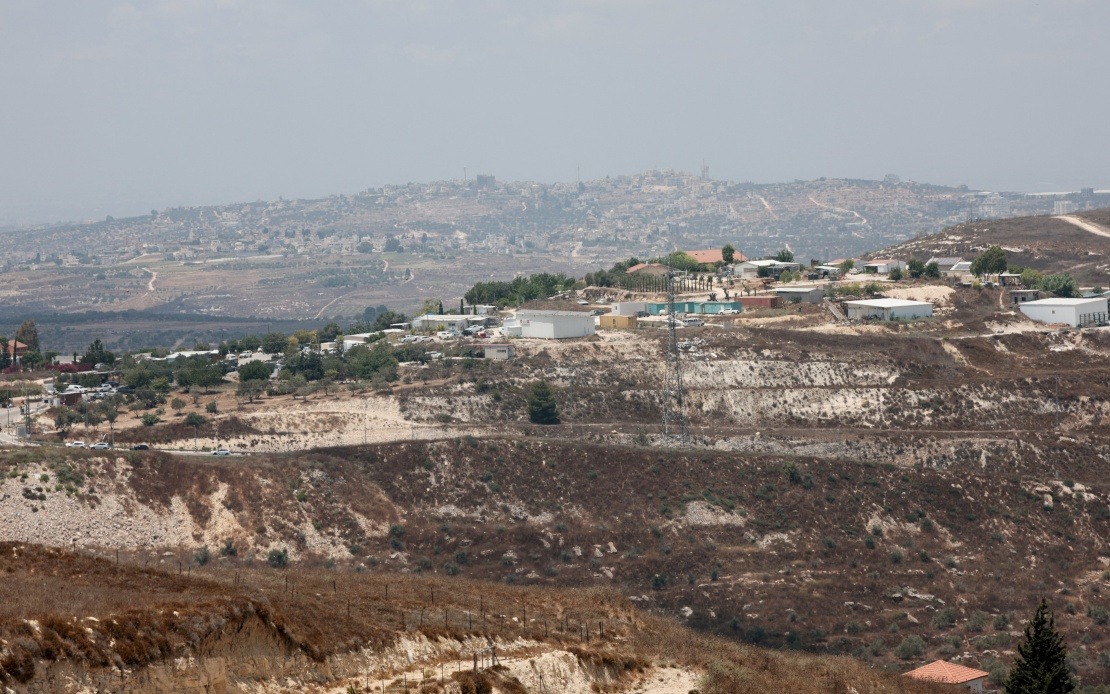
Israeli military forces have detained more than 40 young Palestinian men during a large-scale raid on Tell, a town situated near Nablus in the northern occupied West Bank, according to reports from the Voice of Palestine radio. The operation, which unfolded on Saturday, represents the latest escalation in what Israeli officials have characterized as a necessary security response to regional violence. The detained individuals were reportedly rounded up during sweeping operations across residential areas, with security forces systematically moving through the town to apprehend suspects.
During the incursion, Israeli troops established what amounts to an on-site military facility by commandeering a private residence and repurposing it as a field interrogation centre. This tactic, which has been documented in previous operations across Palestinian territories, allows Israeli forces to conduct initial questioning of detainees without transporting them to formal detention facilities. The conversion of civilian homes into military infrastructure underscores the extent of operational control exercised during such raids, transforming ordinary neighbourhoods into zones of military jurisdiction where standard civilian protections become secondary to security imperatives.
The raid itself was characterized by intensive door-to-door searches across Tell, with Israeli forces encircling the entire town to prevent residents from leaving and to consolidate their control over the area. Witnesses reported that troops conducted extensive searches of homes throughout the community, creating an atmosphere of heightened tension and restricting freedom of movement for the local population. The comprehensive nature of the operation, involving cordoned perimeters and systematic sweeps, suggests this was not a targeted strike against specific individuals but rather a broad security dragnet designed to disrupt potential militant networks.
These detentions were ordered in response to an attack that occurred on Friday near the Havat Gilad settlement, located in the West Bank. Israeli Prime Minister Benjamin Netanyahu and Defense Minister Yoav Katz authorized what they termed a "wide-scale military operation" across Palestinian villages throughout the territory following the incident. The attack itself resulted in the deaths of two Israeli soldiers while leaving three others wounded, prompting the senior officials to order an immediate and forceful response aimed at degrading what Israeli security assessments identified as the perpetrator network and preventing future incidents.
The broader military operation sanctioned by Netanyahu and Katz extended well beyond Tell, affecting multiple Palestinian communities across the Nablus governorate. Reports from eyewitnesses and local sources documented that Israeli forces struck several villages in the region, with particular focus on infrastructure and property destruction. These attacks included the deliberate torching of Palestinian homes and other civilian structures, tactics that human rights organizations have long criticized as collective punishment and violations of international humanitarian law, though Israeli authorities maintain such actions target operational capability and deter future violence.
The human toll of the Friday operations became evident when Palestinian health authorities confirmed that four Palestinians were killed during Israeli military activity in Tell specifically. These fatalities, occurring on the same day that the "wide-scale military operation" was authorized, highlight the intensity and lethality of the response. The deaths represented immediate consequences of the security crackdown, raising questions about the proportionality of force used and the civilian casualties resulting from operations framed as counter-terrorism measures.
For Malaysian and Southeast Asian observers, these events illustrate the persistent cycle of military escalation and retaliation characterizing the Israeli-Palestinian conflict. The detention of over 40 individuals, the establishment of temporary interrogation facilities, and the destruction of civilian property demonstrate the normalized militarization of occupied territories, where extraordinary measures have become routine administrative procedures. The involvement of senior government figures in authorizing broad operations signals that such actions enjoy official sanction at the highest political levels, reflecting the security-first approach that dominates Israeli policy toward the West Bank.
The tactics employed—mass detentions, property destruction, and civilian displacement through military cordons—reflect patterns that have recurred throughout decades of Israeli military operations in Palestinian areas. Yet each incident contributes to deepening grievances and strengthening narratives of occupation and collective punishment within Palestinian communities. Regional governments and international observers recognize that cycles of violence and retaliation, particularly when involving security operations that affect large civilian populations, typically entrench positions on both sides and reduce prospects for diplomatic resolution.
The establishment of field interrogation centres represents a particularly significant aspect of these operations, as it enables prolonged questioning of detainees outside formal legal frameworks and removes them from oversight mechanisms that might otherwise apply to detention procedures. The practice raises concerns among human rights advocates regarding due process, access to legal representation, and potential mistreatment during questioning. Such facilities essentially create temporary military jurisdictions where standard protections for detainees become secondary to operational imperatives determined by field commanders.
For the broader region, including Southeast Asian nations with significant Palestinian diaspora communities, these developments carry political significance. Events in the West Bank influence diplomatic relations, public opinion, and the broader geopolitical landscape in the Middle East. Malaysia and other regional states have historically taken positions advocating Palestinian self-determination and opposing what they characterize as occupation and collective punishment, making developments such as the Tell raid matters of international diplomatic concern rather than purely localized security incidents.
The scale and scope of the Israeli response to the Havat Gilad attack—involving tens of thousands of troops across multiple villages and resulting in dozens of detentions and confirmed civilian deaths within hours—demonstrates the overwhelming disparity in military resources and operational capability between Israeli security forces and Palestinian armed groups. This asymmetry fundamentally shapes the nature of the conflict, with Palestinian attacks typically resulting in limited casualties while Israeli responses generate much broader effects across civilian populations and infrastructure.

