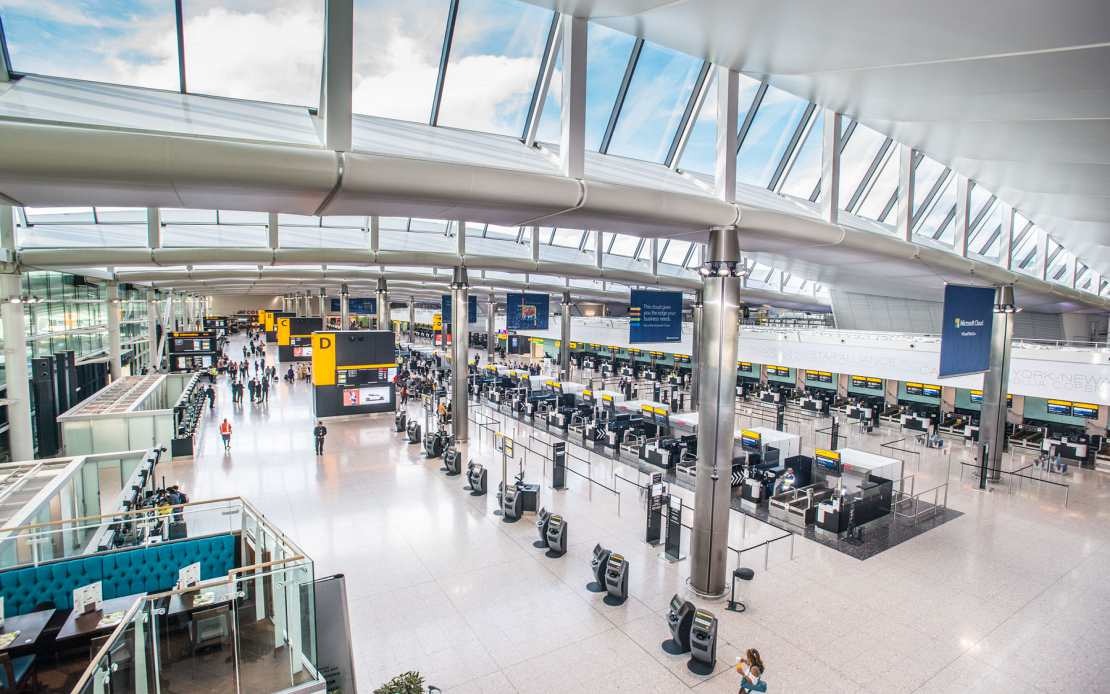
Istanbul Airport has toppled London's Heathrow from its long-held position as Europe's busiest aviation hub, marking a significant milestone in the continent's shifting travel patterns. The Turkish facility processed 8.15 million passengers in July while Heathrow managed 7.86 million over the same month, according to data released by the west London airport. This development carries implications not just for Britain's aviation sector, but for how hub connectivity patterns are evolving across Europe and the Middle East—a shift with particular relevance to Southeast Asian travellers and carriers accustomed to routing through established European gateways.
Heathrow's loss of the top position represents a dramatic reversal of fortunes for an airport that had dominated Europe's rankings continuously from 1996 through 2019. The facility surrendered the crown briefly during 2020 when coronavirus lockdowns devastated international aviation, then reclaimed it in 2023 and held it through 2024. Istanbul's resurgence reflects both the airport's strategic positioning on transcontinental routes and the broader economic gravitational pull exerted by Turkey's booming travel market. For Malaysian carriers and passengers, Istanbul's enhanced status as a European hub carries tangible consequences for flight schedules, pricing, and connectivity options on Asia-Europe routes.
The performance gap between the two airports tells a story of divergent momentum. Heathrow's July traffic fell 1.5 percent compared to the previous year, while Istanbul grew by 2.3 percent during the same period. This widening divergence suggests Istanbul is not merely catching up but actively pulling ahead, capturing additional market share from competitors. The underlying reasons prove instructive: Heathrow explicitly attributed passenger declines to regional instability, with traffic on West Asian routes plummeting 20.2 percent year-on-year—a direct consequence of heightened tensions between the United States and Iran that disrupted traditional travel patterns through the Middle East.
Geopolitical turbulence has created unintended consequences for London's aviation dominance. The escalating conflict in West Asia redirected passenger flows and encouraged airlines to reconsider routing through Istanbul, an airport positioned to capture traffic from markets stretching from Eastern Europe through Central Asia and the Indian subcontinent. This geographical advantage means Istanbul increasingly attracts connections that once naturally flowed through London, subtly reshaping the competitive landscape for international hubs. Southeast Asian carriers operating on Europe routes must now factor Istanbul's growing capacity and improved connectivity into their commercial calculations.
Despite operating at maximum capacity with only two runways, Heathrow remains determined to reverse its declining fortunes through expansion. The airport's leadership has launched a fresh campaign arguing that circumstances now vindicate long-proposed plans for a third runway capable of accommodating 150 million annual passengers. This expansion proposal, they contend, would restore Heathrow's competitive edge and prevent further erosion of its market position. Transport Secretary Heidi Alexander initiated a formal consultation on the renamed expansion policy statement in June, setting parameters for government approval and establishing frameworks for implementation.
The expansion push reflects deep anxieties within Britain's aviation and business establishment about maintaining competitive positioning. Recent political declarations reveal both commitment and scepticism toward the ambition. Former Chancellor Rachel Reeves stated determination to begin construction during the current parliamentary term, with completion targeted for 2035. However, this timeline faces complications from Prime Minister Andy Burnham's previously articulated concerns. Burnham has criticised Heathrow expansion proposals for concentrating infrastructure investment in London while starving northern regions of similar resources, a position reflecting regional economic disparities that shape British political discourse.
Heathrow's operational performance during peak summer travel periods demonstrates ongoing demand for London connectivity despite capacity constraints. July 19 emerged as the airport's busiest day when school holidays triggered mass passenger movements, with 267,000 travellers processed. This surge reflects Heathrow's enduring appeal for leisure and business travellers despite its infrastructure limitations. The airport simultaneously announced new airline partnerships, welcoming ITA Airways from Italy, Alaska Airlines from the United States, and Riyadh Air from Saudi Arabia, each expansion supposedly validating demand for Heathrow access.
These new route additions signal market confidence but arguably also mask underlying vulnerabilities. While carriers continue launching operations from Heathrow, the airport cannot expand capacity to match them, creating a disconnect between aspirational growth and physical constraints. For Southeast Asian airlines planning European services, this congestion raises questions about the viability of London as a primary hub versus potentially shifting emphasis toward less congested alternatives like Frankfurt or Amsterdam. Chief Executive Thomas Woldbye's statement that summer is beginning successfully while arguing the airport must "go further" encapsulates the institution's frustration with artificial constraints on growth.
The strategic implications extend across aviation's competitive landscape. Istanbul's ascendancy reflects not merely temporary disruption from Middle Eastern tensions but potentially structural advantages in positioning, government support, and route network development. The airport serves as a bridge between Europe, Asia, and Africa with advantageous geography for carriers connecting long-haul traffic. For Malaysian passengers and operators, Istanbul's strengthening position as a major European hub presents both opportunities and challenges. Enhanced Istanbul connectivity could reduce reliance on traditional London routing, offering alternative options with potentially improved scheduling and pricing, yet might also complicate pan-European network designs optimised around Heathrow connections.
Heathrow's arguments for expansion rest fundamentally on preserving Britain's competitive position in global aviation. Airport leadership emphasises that expanded capacity would generate economic benefits through increased trade, investment, and tourism flows. This framing positions the third runway as essential infrastructure supporting broader national prosperity rather than merely parochial London advantage. The government consultation process will test whether political consensus supports this vision or whether regional equity concerns will restrain the project. For Southeast Asia, the outcome matters considerably: a competitive Heathrow with expanded capacity benefits regional carriers seeking multiple European gateway options, while a capacity-constrained London increasingly directs traffic elsewhere.
The momentum appears currently favourable toward expansion, despite political scepticism from certain quarters. Burnham's elevation to Prime Minister introduces unpredictability, yet his stated concerns reflect broader anxieties about geographical investment distribution rather than absolute opposition to aviation development. Transport Secretary Alexander's consultation process suggests government openness to approving expansion if suitable conditions are met. The coming months will clarify whether political will exists to begin construction within the parliamentary term, as Reeves indicated, or whether timeline slippage materialises.
Heathrow's displacement from Europe's top position represents more than a statistical curiosity about passenger volumes. It signals shifting competitive dynamics, demonstrates geopolitical influence on infrastructure utilisation, and raises questions about Britain's broader commitment to maintaining aviation leadership. For Malaysia and Southeast Asia, this transition necessitates careful monitoring of hub dynamics affecting regional carriers' European strategies and passenger routing options. The outcome of Britain's expansion debate will substantially influence aviation architecture across the entire region for years ahead.

