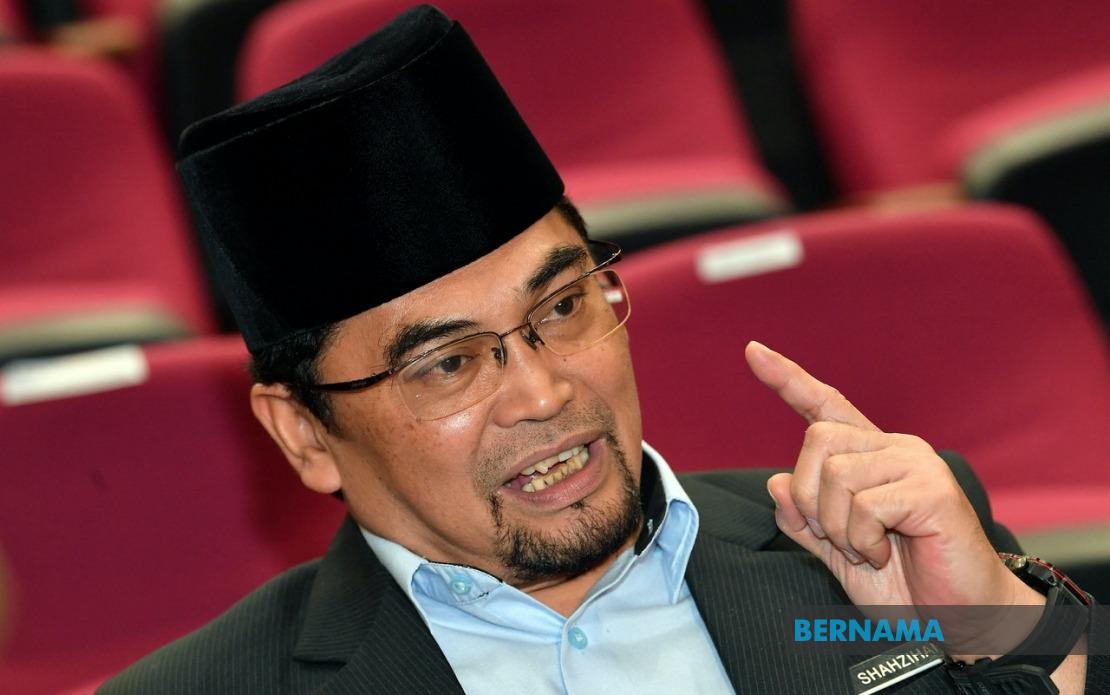
The Selangor Islamic Religious Department (JAIS) is moving decisively to strengthen safeguarding protocols within religious schools across the state, amid growing concerns about potential misconduct involving teaching staff. The department is currently developing comprehensive measures and formal guidelines designed to prevent sexual offences and other forms of inappropriate behaviour in these educational institutions, marking a significant policy shift in how religious schools will manage staff conduct and student protection going forward.
Datak Mohd Shahzihan Ahmad, JAIS director, outlined the department's approach during remarks made in Shah Alam this week. The initiative focuses on multiple intervention points, beginning with a substantially more rigorous vetting process for prospective teachers. Among the proposals being actively considered is a requirement that all teaching staff obtain police clearance documentation before taking up positions in religious schools, a measure designed to filter out individuals with criminal histories that might pose risks to students.
The screening framework being developed extends beyond criminal record checks to encompass broader security assessment procedures. JAIS is in preliminary discussions with the School Registration Committee to establish the operational parameters for these evaluations. Officials are also engaging with police authorities to determine the most effective mechanisms for implementing comprehensive background vetting without creating excessive administrative burdens that might deter qualified applicants from the profession.
Beyond recruitment measures, JAIS is simultaneously formulating detailed protocols governing how teachers and students interact within school environments. These guidelines represent a recognition that misconduct prevention requires not just identifying unsuitable individuals at the hiring stage, but fundamentally restructuring institutional practices that create opportunities for inappropriate relationships to develop. The proposed framework emphasises strict physical and temporal separation between students and teachers during vulnerable periods.
Under the emerging protocols, staff members would be prohibited from providing preferential treatment to individual students that could create special relationships or dependencies. Teachers would be forbidden from conducting one-on-one sessions during irregular hours or in unsupervised settings, with particular restrictions placed on private memorisation classes or Quranic recitation sessions traditionally held outside regular school hours. These practices, while educationally valuable, have historically created contexts in which safeguarding supervision becomes difficult to maintain.
The intensity of JAIS's response reflects the serious nature of recent incidents that have come to public attention. Earlier this year, Selangor authorities initiated a formal police investigation into allegations that a teacher at a religious school had sexually assaulted a student. The case prompted state government intervention and was transferred to law enforcement for criminal investigation, drawing media attention to vulnerabilities in the oversight structures protecting students in these institutions.
For Malaysian parents and guardians, particularly those with children attending religious schools, the initiative offers some reassurance but also highlights deficiencies that existed in previous safeguarding arrangements. Religious schools in Malaysia, which provide Islamic education to hundreds of thousands of students, have traditionally operated with less intensive regulatory oversight compared to mainstream national schools. The combination of greater autonomy in daily operations and the spiritual authority that religious teachers frequently wield over students can create asymmetric power dynamics that, without proper institutional checks, enable exploitation.
The JAIS measures also reflect broader regional conversations about institutional accountability in educational settings across Southeast Asia. Countries including Indonesia and Thailand have similarly grappled with scandals involving teacher misconduct at religious institutions, prompting policymakers to reconsider assumptions that religious authority inherently correlates with ethical conduct. The transition toward evidence-based safeguarding protocols, rather than relying on traditional hierarchical deference to religious figures, represents meaningful cultural evolution within Islamic educational structures.
Implementing these changes will require careful coordination across multiple stakeholders. Religious schools vary considerably in their administrative capacity and resource availability, particularly in rural areas of Selangor and other states where Islamic education serves populations with limited access to alternative schooling. JAIS will need to provide technical guidance and capacity-building support to ensure that even less-resourced institutions can meaningfully comply with new standards without abandoning their educational missions.
The police clearance requirement, if implemented systematically, could transform recruitment practices throughout Malaysia's religious education sector. This would mark a departure from historical practices where appointment decisions frequently depended on theological credentials and personal recommendation networks rather than comprehensive background investigation. The approach aligns with safeguarding standards now considered standard practice in mainstream schools and reflects international best practices developed through decades of institutional learning following past scandals.
Implementation of these protocols will be closely monitored by parents' associations, education advocacy groups, and religious school administrators who must balance enhanced scrutiny with operational efficiency. The success of JAIS's initiative will likely set precedents for similar departments in other Malaysian states, potentially catalysing a nationwide elevation of safeguarding standards across the Islamic education landscape.
While these measures represent important progress, observers note that systemic cultural change requires more than procedural modifications. Enhanced training for school leaders on recognising warning signs of misconduct, establishing confidential reporting channels that protect student complainants from social stigma, and creating transparent investigation processes will be equally critical to translating policy into genuine institutional transformation that prioritises student safety above institutional reputation protection.

