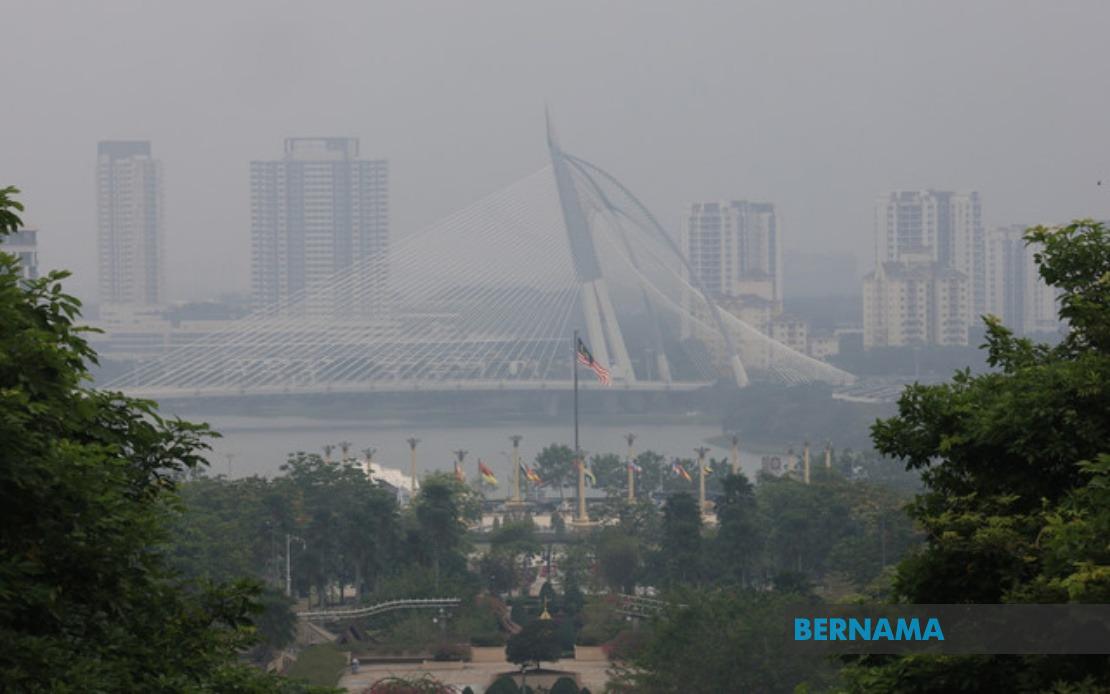
The Department of Islamic Development Malaysia (JAKIM) is organizing Solat Hajat, a special prayer of supplication, across three prominent mosques tonight as the nation grapples with persistent haze affecting air quality in multiple regions. The prayers will follow the Maghrib evening prayer at the National Mosque in Kuala Lumpur, the Putra Mosque and Tuanku Mizan Zainal Abidin Mosque, both located in Putrajaya. This coordinated religious response reflects how environmental crises in Malaysia increasingly prompt institutional engagement with spiritual and cultural remedies alongside technological and policy interventions.
JAKIM director-general Datuk Dr Sirajuddin Suhaimee emphasized the significance of collective prayer during environmental adversity, encouraging Malaysian Muslims to participate in seeking divine assistance. His statement framed the initiative as a petition to Allah SWT for comprehensive protection spanning health, safety, and peace during what authorities characterize as a national trial. This language reflects a deliberate effort to mobilize faith-based responses to environmental challenges, positioning spiritual resilience as complementary to practical measures undertaken by government agencies monitoring air quality and pollution sources.
The initiative gained momentum following a formal decree by the Sultan of Pahang, Al-Sultan Abdullah Ri'ayatuddin Al-Mustafa Billah Shah, urging all Malaysians to engage in prayer and seek divine intervention for those affected by deteriorating air conditions. Institutional backing from religious leadership carries particular weight in Malaysia's constitutional monarchy system, where sultans hold ceremonial and symbolic authority over Islamic affairs within their respective states. The decree essentially legitimized and elevated the spiritual response to haze beyond ordinary community practices, positioning it as a state-sanctioned initiative reflecting royal concern.
Minister in the Prime Minister's Department (Religious Affairs) Dr Zulkifli Hasan's call for similar efforts underscores how multiple layers of governance—from the monarchy to the federal executive—are engaging religious and cultural frameworks to address environmental stress. This multi-institutional alignment suggests recognition that environmental crises affecting population health warrant comprehensive responses integrating policy, monitoring, and faith-based community mobilization. For Malaysian readers, this signals how traditional religious observances remain woven into national crisis response mechanisms even in contemporary governance structures.
At the time of the announcement, 17 distinct areas across six states were recording unhealthy Air Pollutant Index (API) readings, encompassing Sarawak, Selangor, Negeri Sembilan, Johor, Melaka, and Perak, alongside the federal territories of Kuala Lumpur and Putrajaya. This geographic dispersal underscores the transnational nature of Southeast Asia's haze phenomenon, where pollution sources in one region—often traced to land-clearing activities in neighboring countries—create cascading public health impacts across multiple jurisdictions. For Malaysians, the simultaneous affection of both Peninsular Malaysia and East Malaysia (Sarawak) highlights how environmental challenges transcend administrative boundaries and require regional coordination alongside domestic responses.
The haze phenomenon has become a recurring seasonal challenge for Malaysia and the broader Southeast Asian region, typically intensifying during dry months when agricultural burning and land-clearing operations accelerate in neighboring territories. The involvement of JAKIM, a technically secular developmental authority responsible for Islamic affairs administration rather than environmental management, demonstrates how environmental crises activate multiple institutional responses that extend beyond conventional environmental agencies. This pattern reflects deeper institutional adaptation where diverse government bodies recognize their role in comprehensive crisis management.
Solat Hajat represents a significant form of Islamic worship emphasizing petitionary prayer during times of difficulty or need. By organizing these prayers at flagship mosques under JAKIM's purview, authorities create high-visibility spiritual responses that resonate with Malaysia's Muslim-majority population while maintaining symbolic connection to national Islamic institutions. The choice of three geographically strategic locations—the National Mosque in the capital, and two prominent Putrajaya mosques—ensures wide accessibility and media visibility, amplifying the message of institutional concern and coordinated response.
The haze crisis affects Malaysian communities across multiple dimensions extending beyond immediate air quality concerns. Children, elderly citizens, and individuals with respiratory conditions face heightened health risks during elevated API periods, necessitating behavior modifications including outdoor activity restrictions and increased medical consultations. Educational institutions, workplaces, and transport systems adjust operations based on API thresholds, creating economic and social disruptions that compound direct health impacts. Religious responses like Solat Hajat acknowledge these layered community consequences while providing mechanisms for collective processing of environmental anxiety.
For regional observers, Malaysia's institutional response to haze—combining environmental monitoring, diplomatic engagement with neighboring countries, public health advisories, and faith-based mobilization—illustrates how middle-income Southeast Asian democracies navigate transnational environmental challenges. The integration of religious authority and practice into environmental crisis response reflects distinctive institutional features of Islamic-majority nations where state and religious structures maintain closer integration than in fully secular governance systems. This approach may offer insights for other Southeast Asian nations addressing similar transboundary pollution challenges while respecting local cultural and religious contexts.
The timing of JAKIM's announcement and the immediate scheduling of tonight's prayers demonstrates urgent institutional recognition of escalating environmental stress affecting population welfare. Rather than dismissing faith-based responses as peripheral to technical solutions, Malaysian authorities appear to understand spiritual and community mobilization as integral to comprehensive crisis management during periods of environmental disruption. This perspective acknowledges that environmental challenges affecting public health warrant responses engaging all available institutional resources, including religious frameworks that carry particular cultural resonance for affected populations. The prayers scheduled across the three mosques will serve simultaneously as acts of faith, expressions of institutional concern, and community gatherings acknowledging shared environmental vulnerability.

