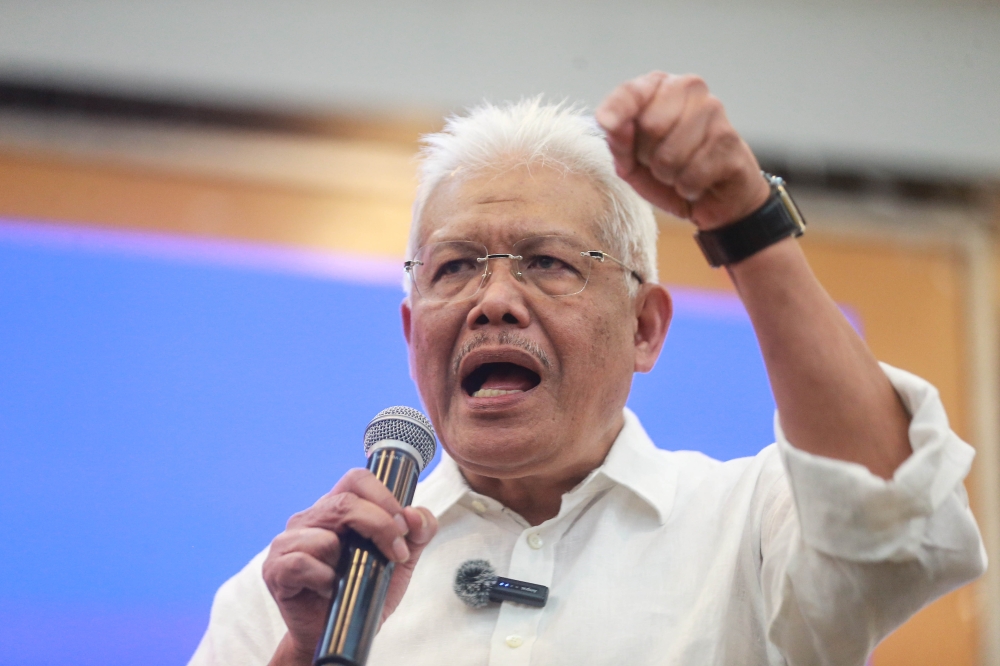
Datuk Seri Jalaluddin Alias, the current chairman of Negeri Sembilan's Umno division, is being actively considered as a potential menteri besar candidate if the Barisan Nasional and Perikatan Nasional coalition achieves electoral success in the state, according to a statement from Umno deputy president Datuk Seri Ahmad Zahid Hamzah on Wednesday. The announcement reflects the coalition's forward planning and signals confidence in the state political landscape ahead of expected legislative contests.
Ahmad Zahid's public endorsement of Jalaluddin Alias as a leading contender carries significant weight within party circles, effectively signalling Umno's preferred direction for leadership in Negeri Sembilan should the coalition secure the necessary parliamentary seats. The deputy president's willingness to name specific candidates publicly demonstrates the coalition's organisational readiness and unified messaging strategy as they prepare for electoral competition.
Jalaluddin Alias brings considerable experience to the discussion, having served in various capacities within Umno and maintaining a visible presence in Negeri Sembilan's political establishment. His designation as state Umno chairman positions him as a natural leadership candidate within the party structure, though his selection as menteri besar would ultimately depend on post-election negotiations and seat distribution between BN and Perikatan components.
The timing of this announcement holds strategic importance for coalition building efforts. By publicly identifying potential leaders before elections occur, BN and Perikatan aim to project stability and demonstrate that power transition arrangements have been contemplated, potentially offering voters assurance about governance continuity. This approach contrasts with leaving leadership decisions entirely to post-election bargaining, which can appear haphazard or divisive.
Negeri Sembilan's political significance extends beyond the state itself, carrying implications for national coalition dynamics. As a crucial swing state in Malaysia's electoral map, its outcome influences broader narratives about government formation at the federal level. The BN-Perikatan partnership in Negeri Sembilan represents an evolving relationship between these entities, one that continues to reshape Malaysian political alignments following the 2020 elections and subsequent political realignments.
The potential candidacy of Jalaluddin Alias also reflects generational considerations within Umno's leadership cadre. His positioning for the menteri besar role suggests the party is balancing experience with electoral appeal, attempting to present candidates who embody both competence and contemporary relevance to Negeri Sembilan voters across different demographic segments.
Coalition coordination between BN and Perikatan in Negeri Sembilan remains an ongoing negotiation, particularly regarding seat distribution and power-sharing arrangements. The public naming of Jalaluddin Alias as a potential menteri besar candidate may influence how other parties within these coalitions calculate their own prospects and bargaining positions, creating ripple effects across state-level negotiations.
For Malaysian voters, particularly those in Negeri Sembilan, such pre-election leadership identification serves multiple functions. It provides information about coalition intentions and organisational preferences, though it does not guarantee outcomes given the contingent nature of electoral results. Voters can assess potential leaders and governance direction before casting ballots, though final leadership appointments remain subject to post-election circumstances.
The statement from Ahmad Zahid also underscores Umno's determination to maintain relevance and influence within coalition structures. By positioning its state chairmen as serious menteri besar candidates backed by senior federal leadership, Umno reinforces its role as a significant player in Malaysian governance rather than a marginalised component accepting secondary positions.
Regional implications of Negeri Sembilan's political direction merit consideration as well. The state's electoral outcome influences broader Southeast Asian perspectives on Malaysian political stability and coalition governance, particularly regarding how different parties manage power-sharing arrangements and maintain organisational cohesion across multiple electoral levels.
Looking forward, the election period will test whether Ahmad Zahid's confidence in the BN-Perikatan coalition's electoral prospects proves justified, and whether voters endorse the leadership direction these coalitions have identified. Jalaluddin Alias's candidacy will likely become a focal point for campaign discussions about governance vision, state development priorities, and coalition effectiveness in delivering public services and economic growth.

