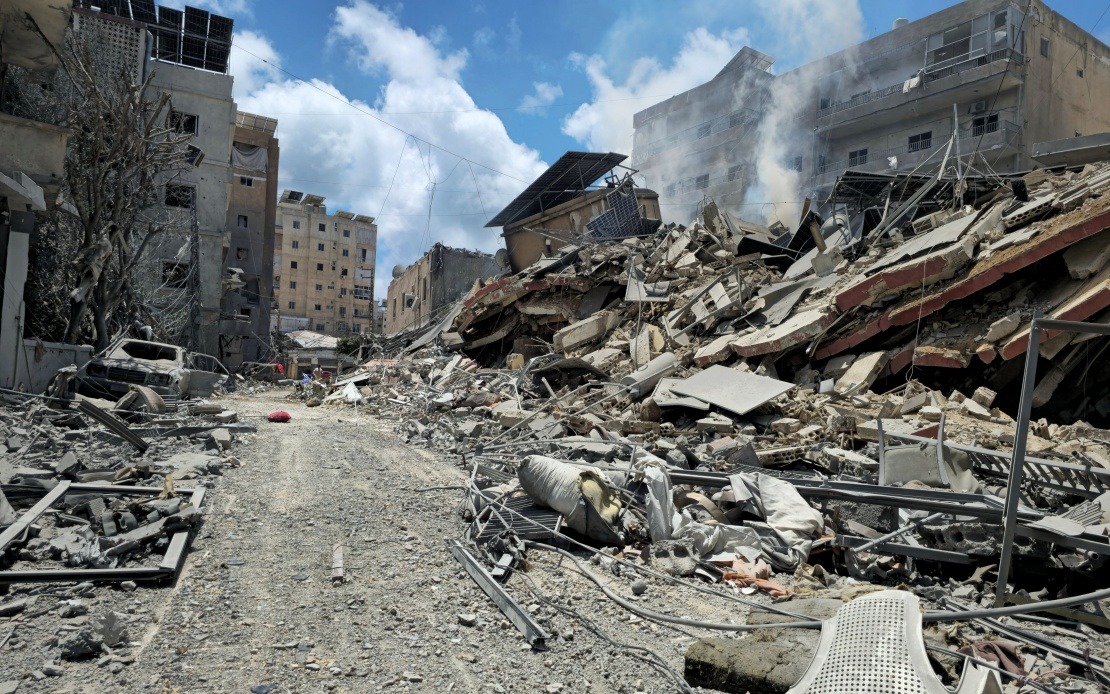
Japan has pledged US$15 million in emergency humanitarian assistance aimed at alleviating urgent suffering across West Asia, with approximately US$10 million designated for Iran alongside smaller allocations for Lebanon and the Palestinian territories. Foreign Minister Toshimitsu Motegi announced the decision on Friday, emphasizing that the funds would flow through established international organizations to maximize their impact on vulnerable populations. The distribution reflects Japan's differentiated approach to addressing humanitarian crises across the region, recognizing varying levels of need while maintaining a unified diplomatic posture.
The allocation breakdown reveals Japan's strategic prioritization within the broader Middle East context. Iran receives the largest share at roughly US$10 million, reflecting the severity of humanitarian conditions there and Japan's diplomatic engagement with Tehran despite international tensions. Lebanon's allocation of approximately US$4 million responds to the country's ongoing economic collapse and refugee crisis, which has strained public services and created widespread food insecurity. The US$1 million commitment to Palestinians in the West Bank, while smaller in absolute terms, represents Japan's sustained humanitarian commitment to the Palestinian cause, an important dimension of its Middle East policy.
The nature of the assistance demonstrates Japan's pragmatic approach to humanitarian intervention. Rather than delivering aid bilaterally, Tokyo channels support through international organizations, a mechanism that ensures impartiality, reduces administrative overhead, and maintains consistency with United Nations humanitarian principles. The funds will support critical needs including food security, medical supplies, and essential humanitarian services. This approach allows Japan to maximize the effectiveness of each dollar spent while avoiding complications that might arise from direct government-to-government transfers in politically sensitive contexts.
Motegi's public statement framing this assistance reveals important dimensions of Japan's regional strategy. His assertion that "peace and stability in the Middle East are of vital importance to Japan" underscores Tokyo's recognition that Middle Eastern instability directly impacts Japanese interests through energy security, trade routes, and regional balance. Japan imports approximately 85 percent of its crude oil from the Middle East, making regional peace a cornerstone of energy security policy. The Foreign Minister's emphasis on continuing humanitarian engagement signals that Japan views aid not merely as charity but as an investment in long-term stability and diplomatic influence.
For Iranian recipients, the timing and scale of Japanese assistance carries particular diplomatic significance. Despite US sanctions on Iran, Japan has maintained limited humanitarian engagement, reflecting its effort to balance alliance relationships with the United States while preserving diplomatic channels with Tehran. This assistance demonstrates Japan's commitment to humanitarian principles that transcend geopolitical tensions, positioning Tokyo as a neutral actor capable of engaging multiple parties. The allocation may also reflect deteriorating humanitarian conditions within Iran following years of sanctions-driven economic contraction and recent regional conflicts.
Lebanon's humanitarian crisis has become increasingly acute, making Japan's US$4 million contribution contextually meaningful. The country faces its worst economic collapse since the civil war ended in 1990, with currency devaluation, banking collapse, and fuel shortages creating severe shortages of food, medicine, and electricity. The Lebanese government's inability to provide basic services has forced international organizations to fill critical gaps. Japan's assistance, while not solving systemic problems, will help sustain operations by groups providing emergency relief and medical care to the most vulnerable populations, including Palestinian and Syrian refugees.
The Palestinian dimension reflects Japan's longstanding humanitarian commitment to the territories, though the US$1 million figure suggests recognition of resource constraints and existing multilateral support channels. The West Bank faces ongoing humanitarian challenges including restrictions on movement, settlement expansion pressures, and economic marginalization. Japanese aid historically supports medical facilities, water infrastructure, and livelihood programs through multilateral channels like the United Nations Relief and Works Agency for Palestine Refugees. This approach allows Japan to maintain its humanitarian credibility without direct involvement in Israeli-Palestinian political disputes.
Tokyo's humanitarian posture toward West Asia reflects broader strategic calculations in an era of great power competition. As China expands influence through Belt and Road Initiative engagement and substantial development assistance across the Middle East, Japan seeks to differentiate itself through quality partnerships and humanitarian leadership. The commitment to deliver aid through international organizations aligns with Japan's emphasis on rules-based international order and multilateral cooperation. This positioning appeals to traditional US allies while maintaining Japan's ability to engage all regional actors on humanitarian grounds.
The announcement also signals Japan's response to humanitarian displacement and instability that increasingly affects neighboring Southeast Asia. Regional refugee flows, extremist recruitment, and economic disruption stemming from Middle Eastern conflicts create downstream consequences for Japan's Asian partnerships. By investing in upstream humanitarian assistance and regional stabilization, Japan attempts to address root causes of instability that might otherwise generate costly downstream interventions. This preventive dimension reflects sophisticated understanding of how Middle Eastern crises cascade across global systems.
Moving forward, Japan's commitment to working with relevant countries and international organizations suggests sustained engagement rather than one-time assistance. The Foreign Ministry's framing indicates willingness to increase support should conditions deteriorate further. This open-ended commitment reflects recognition that Middle Eastern humanitarian challenges will persist regardless of political developments. Japanese policymakers appear to view humanitarian assistance as a durable tool for maintaining influence and soft power across the region while advancing universal principles of human dignity and suffering reduction.

