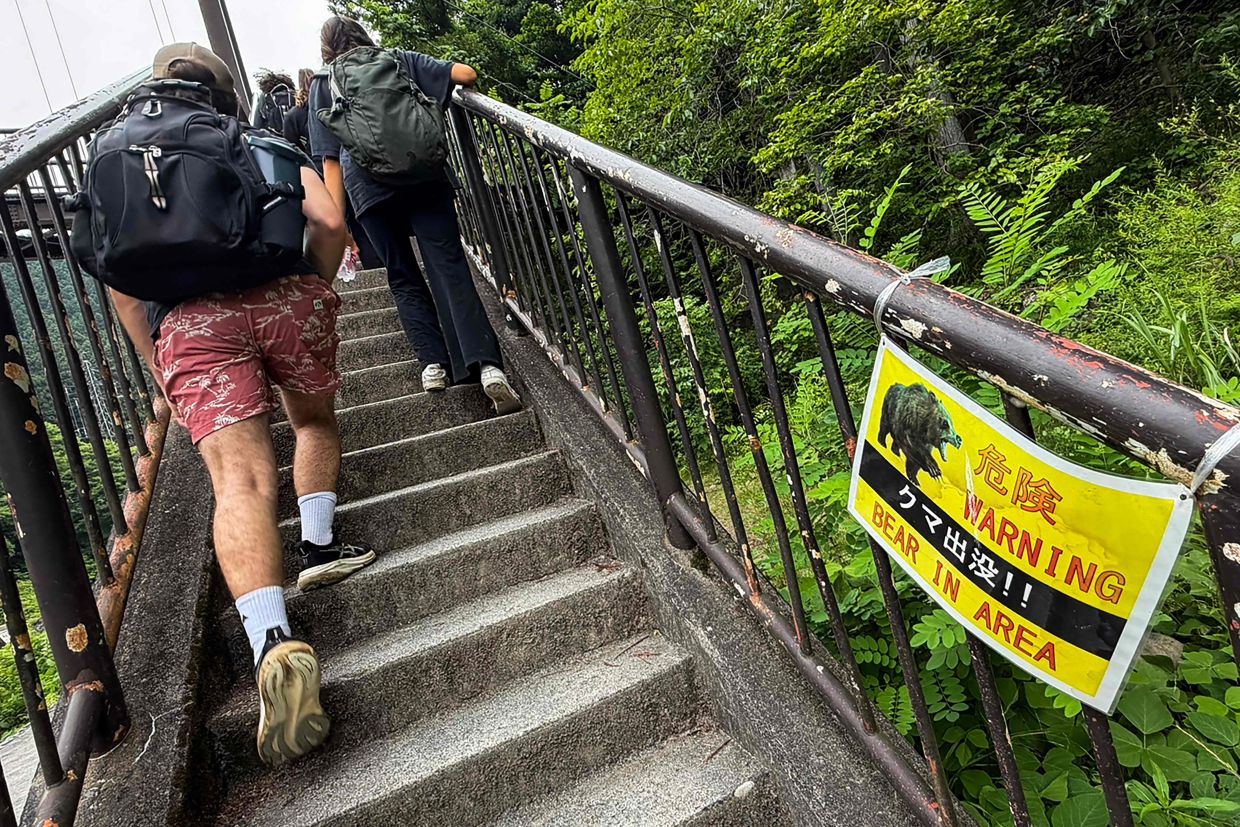
Japan has embarked on an ambitious wildlife monitoring programme, installing hundreds of surveillance cameras across its northern mountain regions in response to an escalating crisis of human-bear conflicts. The initiative, which commenced this week, represents a watershed moment in the country's approach to managing its growing bear population, particularly in the economically declining Tohoku region where recent attacks have left communities gripped by fear.
The scale of the current crisis is unprecedented in recent Japanese history. Since April 1, bears have been responsible for at least five fatalities, all concentrated in Tohoku's prefectures where rural depopulation has created an ecological vacuum. The previous fiscal year saw 13 fatal bear attacks nationally—a record figure that triggered urgent governmental action. Environment ministry official Yu Takahashi confirmed that the new surveillance system will eventually encompass more than 800 cameras, with Tohoku's six major bear populations serving as the initial focus before a gradual nationwide expansion over the coming four years.
The underlying cause of this wildlife surge reflects profound demographic shifts across rural Japan. As fewer people inhabit mountainous areas—regions comprising approximately 80 percent of the Japanese landscape—bears have expanded their territories unchecked. Scientists point to this rural exodus as a primary driver of population growth, as abandoned agricultural lands and diminished human presence have allowed wildlife to reclaim traditional habitats. The phenomenon mirrors broader challenges facing Japanese rural communities, where economic stagnation and youth migration have transformed the human-wildlife balance.
The psychological toll on Tohoku residents extends far beyond statistical risk. National media outlets provide relentless daily coverage of bear sightings in shopping arcades, public parks, and school grounds, creating a pervasive sense of vulnerability. The bears' increasing proximity to urban infrastructure symbolises the collapse of natural boundaries between wilderness and civilisation, forcing residents to fundamentally reassess their safety even in supposedly secure public spaces. This climate of anxiety has become a defining characteristic of life in the affected regions.
Japan's response demonstrates a significant shift from fragmented local approaches to coordinated national strategy. Previously, individual municipal governments conducted bear population surveys independently, employing inconsistent methodologies and timing that prevented accurate large-scale assessment. Takahashi emphasised that the new system prioritises consistency and accuracy by focusing on entire population groups rather than isolated local counts. This unified approach reflects recognition that bear movements and population dynamics operate across jurisdictional boundaries and require integrated monitoring.
The camera system itself employs an ingenious attraction mechanism designed to elicit consistent behaviour from the animals. Authorities prepare jars containing honey mixed with wine, positioned at approximately human head height along mountain routes. The sweet aroma draws bears to stand upright on their hind legs to investigate the source, during which the cameras capture each animal's distinctive white chest markings—the primary identifying feature for species recognition and population counting.
The practical realities of Japan's bear crisis extend beyond survey work into everyday urban security. A striking incident this week underscored the pervasiveness of bear-related anxiety: a 22-year-old Vietnamese national was arrested in Nagoya after accidentally discharging anti-bear spray in a post office, injuring five people who required hospital treatment. The man's inadvertent activation of the repellent, which contains capsaicin derived from chili peppers, hospitalised innocent bystanders and demonstrated how deeply bear-defence measures have penetrated Japanese society. Police spokesman Kenji Goto noted the arrest followed charges of obstruction of business related to the incident.
Recent months have witnessed an acceleration in urban encroachment following bears' emergence from winter hibernation. In June, authorities deployed dozens of police officers, professional hunters, and city officials to capture a bear that roamed through Utsunomiya, north of Tokyo, for four days—a manhunt that forced widespread school closures. That same month, another bear distinguished by what officials described as exceptional intelligence—it reportedly opened a window and activated a water tap—attacked four people across two factories in Fukushima before evading capture for several days. These incidents illustrate not merely increased frequency but apparent escalation in bear behaviour and adaptability.
Authorising authorities have intensified public guidance on mountain safety as populations face heightened risk. Official recommendations now include avoiding solo mountain travel, attaching bells to bags and clothing to alert bears to human presence, and carrying commercially available bear spray sold through outdoor recreation retailers. These aerosol products, containing the capsaicin compound that creates burning and irritation in exposed mucous membranes, represent the primary non-lethal defence mechanism available to civilians encountering wildlife.
This week, investigators have begun examining a potential sixth fatality after discovering a body bearing bite marks in a mountainous Tohoku location, indicating the crisis may have reached even higher proportions than publicly acknowledged. Each confirmed death adds urgency to Japan's surveillance and monitoring operations, as authorities attempt to establish baseline population data necessary for developing long-term management strategies.
The deployment of Japan's wildlife monitoring network reflects the country's broader struggle with ecological rebalancing amid demographic transformation. As rural communities continue contracting, the nation faces the complex challenge of coexisting with wildlife populations that have thrived in depopulated spaces. The camera system represents not merely a technological solution but an admission that Japan's relationship with its natural environment has fundamentally altered, requiring unprecedented levels of surveillance and coordination to maintain human safety across its forested regions.

