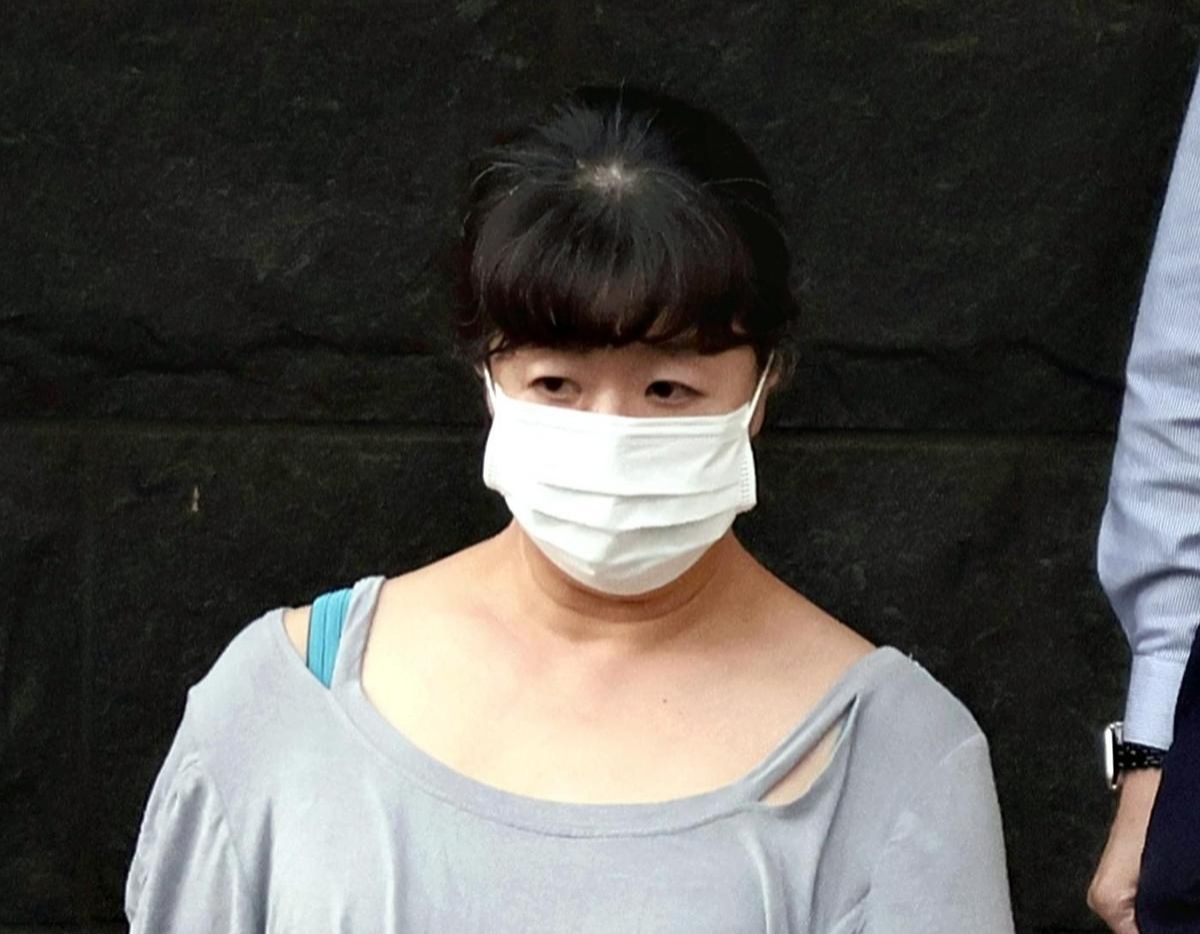
A 51-year-old midwife in Kashiwa, Chiba Prefecture, has been taken into custody following an investigation into the death of a 75-year-old hospitalised patient at Kashiwa Tanaka Hospital. Japanese police allege that Miyuki Furukawa deliberately contaminated the patient's intravenous line with faecal matter in the early morning hours of January 30, an act they believe directly resulted in the man's death some 19 hours later. The shocking nature of the allegations has intensified scrutiny of hospital safety protocols across Japan and raised questions about patient protection in medical facilities.
According to police records, Furukawa is suspected of inserting faeces into the extension tube of the intravenous drip at approximately 3.55am on January 30. The patient, a resident of Toride in neighbouring Ibaraki Prefecture, deteriorated rapidly over the following hours and passed away around 10.30pm on January 31. The method of alleged contamination represents an extraordinarily brazen act within a controlled hospital environment where such an action would ordinarily be difficult to conceal or execute without detection. The timing of the incident—in the pre-dawn hours when ward staffing levels are typically minimal—may have provided a window of opportunity for such a deliberate act.
Chiba prefectural police have formally charged Furukawa with murder, the most serious criminal allegation in the case. Investigators are now focused on establishing the precise motive behind the alleged act, as well as determining whether there may be additional victims or incidents connected to the suspect. The circumstances surrounding how such a contamination could occur within a modern hospital setting have prompted hospital administrators and local authorities to review their security and monitoring procedures. For Japanese healthcare institutions, the case raises uncomfortable questions about access to patient care areas and the oversight of medical personnel during overnight shifts.
The arrest comes as Japan grapples with increasing concerns about workplace conduct and institutional accountability in the healthcare sector. While Japan maintains rigorous medical licensing standards, cases of professional misconduct occasionally surface, creating widespread concern about the integrity of the system. The alleged actions of a trusted medical professional represent a profound violation of the patient-caregiver relationship and the implicit trust that patients and families place in hospital staff. This case will likely influence how Japanese hospitals approach staff supervision and internal security protocols going forward.
For Southeast Asian observers, this incident highlights the universal challenges that healthcare systems across the region face when ensuring patient safety and maintaining appropriate oversight of medical personnel. While serious cases of deliberate harm within hospitals remain statistically rare, their occurrence underscores the importance of comprehensive background checks, psychological screening, and monitoring systems. Malaysia's own healthcare infrastructure, both public and private, operates under similar pressures and staffing constraints as Japanese institutions, making this case particularly relevant to Malaysian hospital administrators and policymakers seeking to strengthen safeguards.
The investigation remains ongoing as police work to understand the circumstances that led to such an extreme act of alleged misconduct. Establishing motive in cases involving healthcare workers can prove complex, as they may involve personal disputes with patients, professional grievances, psychological disturbances, or other factors that investigators must carefully examine. The Chiba prefectural police have indicated that their inquiry extends beyond the single victim to determine whether any pattern of behaviour existed or whether other patients may have been affected by the suspect's actions. Such broadened investigations are standard practice in cases where deliberate harm by a caregiver is suspected.
The case has prompted discussions within Japanese medical circles about the psychological health and support systems available to healthcare workers, particularly those working demanding overnight shifts in acute care settings. While this does not excuse alleged criminal conduct, understanding the contextual factors surrounding such incidents can help hospitals implement preventative measures. Training programmes, mental health support, and regular supervision represent key components of institutional strategies to prevent such tragedies. The incident serves as a sobering reminder that even in well-developed healthcare systems with stringent regulatory frameworks, vulnerabilities can exist.
For the victim's family and the broader Toride and Kashiwa communities, the arrest brings a measure of closure regarding the circumstances of death, though the full legal process remains ahead. Japanese courts will examine the evidence presented by prosecutors and the defence arguments from Furukawa before determining guilt or innocence in this unprecedented case. The proceedings will be closely watched not only within Japan but also by healthcare professionals across Asia seeking lessons about institutional safeguards and professional accountability.

