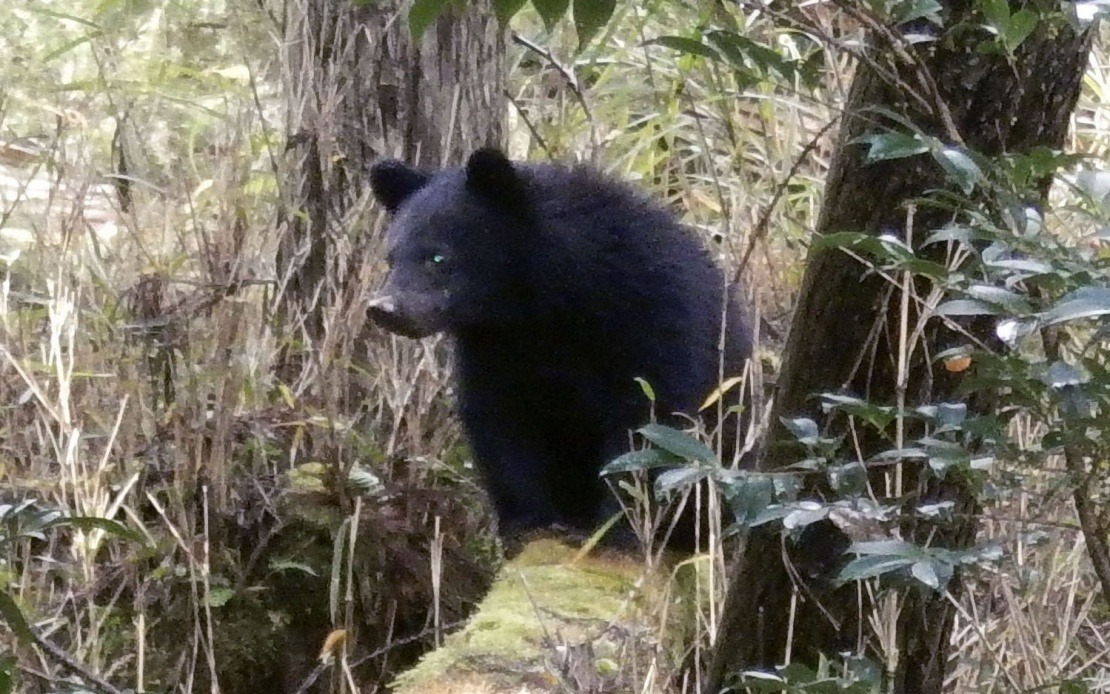
Japan's wildlife management officials are grappling with an unexpected challenge: the public backlash to their handling of an unprecedented surge in bear encounters has become so intense that it is hampering their ability to respond to the crisis itself. According to a government survey released by the Ministry of Internal Affairs and Communications, more than four in ten local authorities responding to surging bear incidents have endured abusive phone calls, lengthy complaints, and online harassment from citizens opposing or questioning their wildlife management decisions.
The Japanese government commissioned the survey across 40 prefectural and municipal authorities over the past 12 months, beginning in July of the previous year. Results show that 17 of these jurisdictions—over 42 per cent—reported that managing public complaints about bear-related matters has significantly disrupted their normal administrative operations. The findings reveal a disturbing pattern: frontline civil servants tasked with coordinating wildlife responses are increasingly caught between their operational duties and a torrent of emotional, sometimes hostile public feedback.
The nature of the complaints varies widely, but many reveal fundamental disagreement over wildlife protection philosophy. Among the 17 affected municipalities, ten reported receiving exceptionally demanding communications—including phone calls lasting more than an hour from individual callers—while five were deluged with emails and website comments expressing conflicting views. One municipality reported receiving an avalanche of posts asking "Why didn't you kill it?" after announcing the release of a captured bear, while others fielded demands to spare animals' lives at all costs. The intensity of some interactions suggests that citizens view bear management as a moral battlefield rather than a practical administrative matter.
The harassment has occasionally crossed into intimidation. In one documented case, a local government employee responsible for bear-related issues was photographed without consent by an individual advocating for bear protection, with the images subsequently posted online—a tactic that raises serious concerns about the safety and privacy of public servants performing their duties. Such incidents underscore how the emotional stakes of wildlife management, particularly when animal welfare is perceived to be at stake, can blur into personal attacks against the officials implementing policy.
The underlying trigger for this administrative crisis is stark: Japan experienced more than 50,000 bear encounters throughout the 12-month period ending in March, marking a record high and doubling the number recorded in the previous year. This extraordinary surge reflects broader environmental changes, including habitat loss, food scarcity in forests, and increasingly unpredictable seasonal patterns that are pushing bears into urban and semi-urban areas across the country. For Southeast Asian observers, the scenario serves as a cautionary tale about how rapid urbanisation and environmental degradation can create unintended conflicts between wildlife and human infrastructure.
The administrative burden created by complaint management is not merely an inconvenience—it directly undermines crisis response capacity. When municipal staff dedicate hours to fielding aggressive phone calls or composing detailed responses to online criticism, resources that could be allocated to actual bear monitoring, capture operations, public safety measures, or habitat management are diverted instead. A ministry official acknowledged this dynamic, stating that "measures are needed to reduce the burden on frontline staff," recognising that worker burnout threatens the effectiveness of the entire system.
What makes Japan's situation particularly instructive for the region is the collision between modern environmental activism and pragmatic governance. Many complainants appear driven by genuine animal welfare concerns, viewing bear deaths as inherently tragic. Yet their methods—harassment, intimidation, and obstruction—paradoxically undermine the very institutions attempting to manage wildlife in ways that balance both human safety and animal survival. The harassment campaign, whether intentional or not, creates a chilling effect on decision-making and can pressure officials toward politically acceptable choices rather than scientifically sound ones.
The survey results suggest that local governments are feeling isolated and unsupported in managing this dual crisis. Several authorities called on the central government to develop comprehensive response guidelines—not just for bear management itself, but for managing the public relations and complaint-handling dimensions of wildlife governance. This signals a gap in institutional capacity at both national and local levels, and the expectation that higher authorities should provide political cover and strategic direction for frontline administrators facing public pressure.
For Malaysia and other Southeast Asian nations, Japan's experience offers relevant insights. As urbanisation accelerates and wildlife habitats shrink across the region, human-animal conflicts will intensify in countries including Malaysia, where encounters with elephants, sun bears, and other megafauna already strain local administrations. The Japanese case demonstrates that technical solutions alone—better capture equipment, wildlife corridors, or habitat restoration—are insufficient without parallel strategies for managing public expectations and channelling civic engagement constructively.
The harassment of Japanese civil servants also raises questions about social media's role in amplifying emotional responses to wildlife management decisions. Online platforms enable rapid mobilisation of concerned citizens but can also enable coordinated campaigns of complaint that overwhelm administrative capacity. Japan's situation suggests that governments across the region may need to develop digital communication strategies that acknowledge public concerns while maintaining operational autonomy and protecting staff from harassment.
Ultimately, Japan's bear crisis exposes a governance challenge that extends beyond wildlife management: how democracies balance genuine public participation in environmental and safety decisions against the risk that emotional intensity and organised complaint campaigns distort priorities and obstruct effective administration. As the Ministry of Internal Affairs and Communications moves toward formulating supportive guidelines, the approach taken could serve as a model—or a warning—for other nations grappling with similar tensions between environmental protection, public safety, and democratic accountability.

