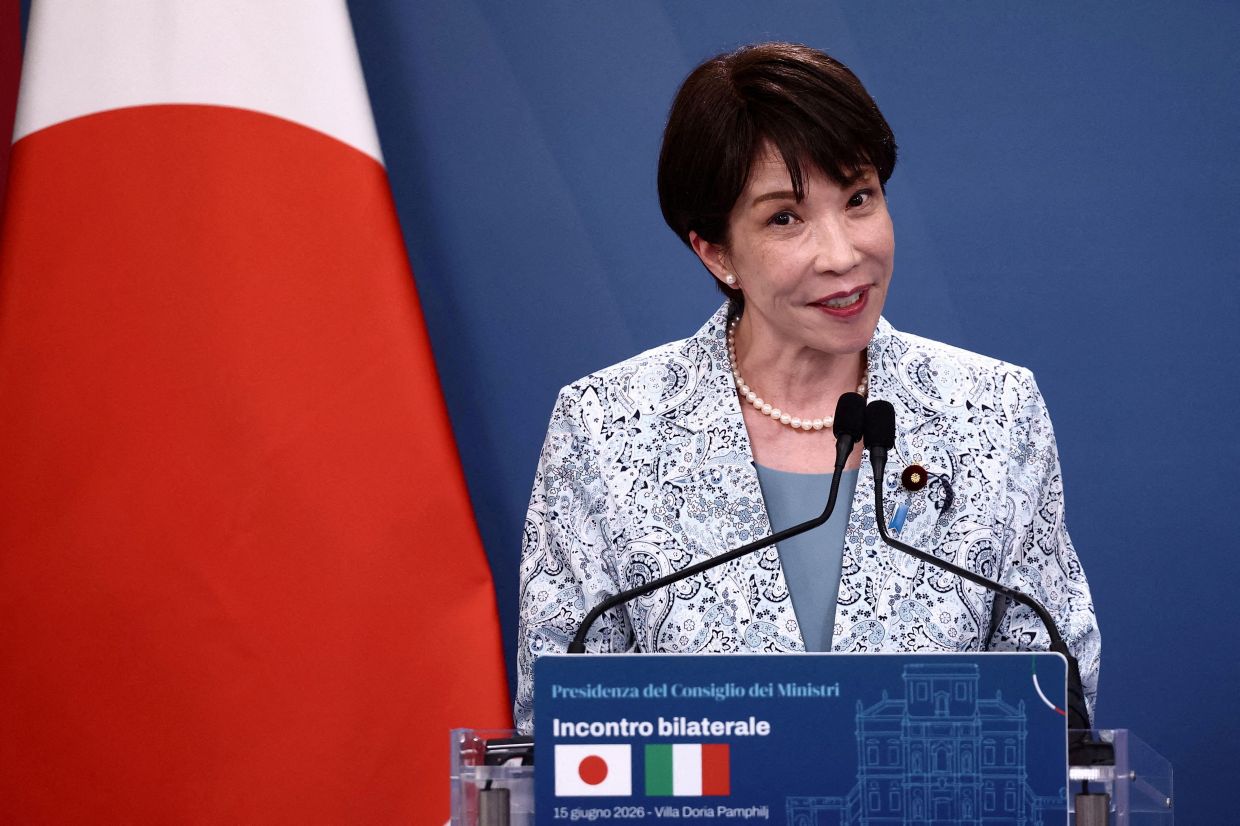
Japanese Prime Minister Sanae Takaichi's political standing has weakened considerably, with her cabinet's approval rating dropping to 49 per cent according to a Jiji Press survey released Thursday, representing a significant milestone in her tenure that began in October. This marks the first occasion since she assumed office that public backing has dipped below the symbolic 50 per cent threshold, signalling erosion of the popular mandate she initially enjoyed.
The deterioration in Takaichi's support has been particularly pronounced among Japan's ageing population, a demographic group that commands substantial political influence in an increasingly elderly society. Voters in their 60s have proven especially susceptible to the shift in sentiment, with their support collapsing dramatically from 63.7 per cent last month to just 39.9 per cent in the latest survey. This generational divide suggests that Takaichi's coalition faces vulnerability among a constituency that traditionally forms a reliable base for conservative politics in Japan, and whose electoral participation rates remain among the highest in the country.
When voters do express approval for Takaichi's administration, their reasoning tends to centre on qualities associated with her personal leadership. Supporters frequently cite her capacity to provide direction and her perceived reliability as factors motivating their continued backing. However, these personal attributes have increasingly proven insufficient to overcome mounting policy concerns. Among those withdrawing their support, the dominant complaints focus on a sense of hopelessness about the government's capacity to address public concerns, alongside substantive objections to specific legislative initiatives and administrative choices.
Takaichi's rise to the premiership represented a historic moment for Japanese politics, as she became the nation's first female prime minister when she took office last October. Her trajectory accelerated dramatically in February when she secured a decisive victory in snap elections for the lower house of parliament. That electoral success appeared to consolidate her political position and suggested robust public confidence in her leadership. Her appeal at that time transcended traditional conservative constituencies, particularly resonating with younger Japanese voters who were attracted to her diplomatic acumen and perceived willingness to challenge conventional approaches.
However, several developments in recent months have undermined the foundation of support that Takaichi constructed during her ascent. Her November remarks regarding the possibility of Japanese military involvement in defence of Taiwan in the event of an attack have proven especially contentious. While Takaichi's statement reflected the strategic concerns of Japan's security establishment regarding the island's vulnerable position, the comments have significantly complicated Tokyo's delicate diplomatic relationship with Beijing. China, which claims Taiwan as a breakaway province and envisions eventual reunification, interpreted Takaichi's comments as confirmation of Japan's potential willingness to intervene militarily in what Beijing considers an internal matter.
The Taiwan intervention remarks thus inadvertently triggered a cascade of negative consequences for Tokyo's China relations at precisely the moment when maintaining stable bilateral ties serves Japan's economic and strategic interests. Beijing has responded with predictable displeasure, and the comments have provided additional ammunition for those within China's leadership who advocate for a more confrontational posture toward Japan. For Malaysian and broader Southeast Asian observers, Takaichi's comments also reverberate through regional security calculations, particularly given the interconnectedness of Taiwan's security with freedom of navigation and stability across the Indo-Pacific.
Additionally, Takaichi has pursued a contentious legislative agenda that has sparked organised opposition from unexpected quarters. Earlier this month, nearly 150 Japanese academics publicly petitioned members of parliament to oppose her proposed bill that would criminalise the desecration of Japan's national flag. The academics' intervention signals concern among Japan's intellectual classes that the legislation represents an encroachment on civil liberties and freedom of expression, values that Japan has historically positioned as central to its post-war identity. This petition demonstrates that Takaichi's more nationalist policy positions, which may resonate with her conservative base, simultaneously alienate significant constituencies including academia and progressive elements of society.
One factor that has periodically supported Takaichi's political position involves macroeconomic developments beyond her immediate control. Japan has experienced a notable deceleration in inflation during recent months, providing some relief to consumers burdened by the sharp price increases that characterised the preceding period. This inflation slowdown contrasts favourably with the economic tumult that plagued her two immediate predecessors, each of whom departed office relatively quickly amid public dissatisfaction tied substantially to economic management failures. To the extent that inflation continues moderating, this development could provide Takaichi with some respite and a potential foundation upon which to rebuild political capital.
The timing of this approval decline raises questions about the sustainability of Takaichi's political project in an increasingly fractious environment. Japanese voters appear to be executing a deliberate recalibration of their support, rewarding those aspects of her tenure that resonate personally while withdrawing backing in response to specific policy initiatives and diplomatic entanglements. Whether Takaichi can arrest this downward trajectory by recalibrating her approach or whether she will continue sliding toward the kind of political marginalisation that claimed her predecessors remains an open question with potential significance for Japan's policy direction across multiple domains including security, economic management, and civil liberties.

